

 CN
CN


Anyang, as a pilot city for the province-wide "Five Immediate Actions" standardized construction initiative for hazardous waste, has taken the lead in implementing an intelligent management model characterized by "Immediate Generation, Immediate Packaging, Immediate Weighing, Immediate Coding, Immediate Storage". This initiative propels hazardous waste supervision into a new phase marked by efficiency and precision.
At the hazardous waste temporary storage facility of Anyang XX Gas Co., Ltd., the entire process from generation to storage takes only a few minutes. Leveraging QR codes as "electronic IDs," full lifecycle traceability is achieved, establishing a closed-loop supervision system where "sources are verifiable, destinations are trackable, and responsibilities are attributable."
However, traditional civil engineering warehouse-style hazardous waste temporary storage facilities, widely adopted in current pilots, have gradually revealed several practical bottlenecks during implementation. These limitations constrain the deepening promotion and widespread adoption of the "Five Immediate Actions" model.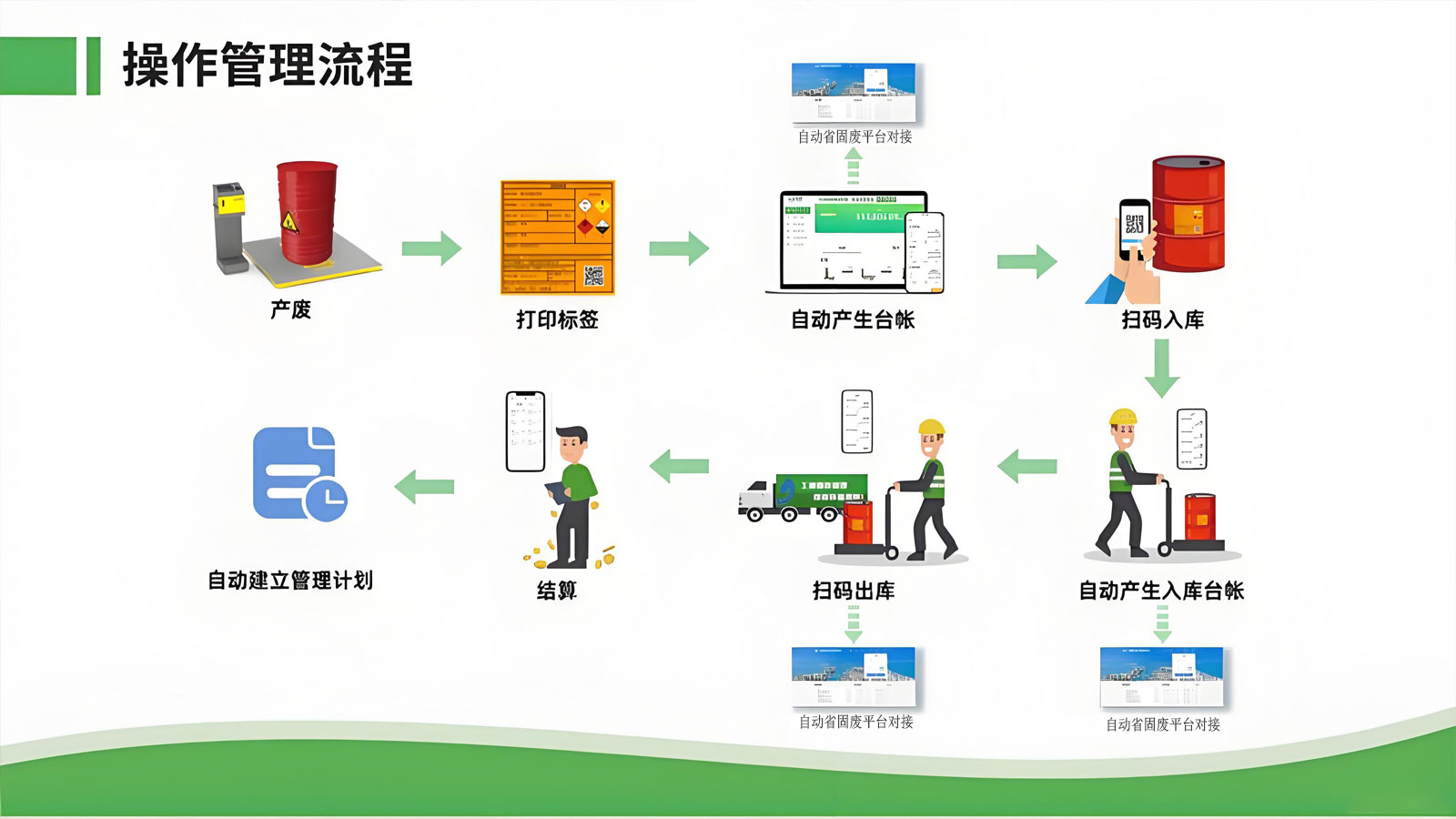
Practical Limitations of Traditional Civil Engineering Hazardous Waste Temporary Storage Facilities:
Poor Adaptability: Difficult to meet short-term flexible storage needs for small batches of high-risk hazardous waste and chemicals;
Cumbersome Approval Process: Complex approval procedures for Class A and B high-risk warehouses are time-consuming and labor-intensive;
Limited Site Availability: Outdoor decentralized construction is significantly constrained by environmental and spatial factors;
High Safety Thresholds: Construction near areas with high population density poses significant safety hazards, leading to extremely strict approval requirements;
Strong Risk Propagation: In the event of an accident, it can easily trigger chain reactions, expanding the scope of harm;
Inflexible Construction: Long construction periods, subject to seasonal and natural conditions, cannot quickly respond to emergency needs.
These issues not only affect the efficiency of corporate hazardous waste management but also hinder the comprehensive implementation of the "Five Immediate Actions" standardized construction. The emergence of hazardous waste storage cabinets provides an efficient and feasible solution to the aforementioned challenges, becoming a superior alternative to traditional civil engineering warehouses.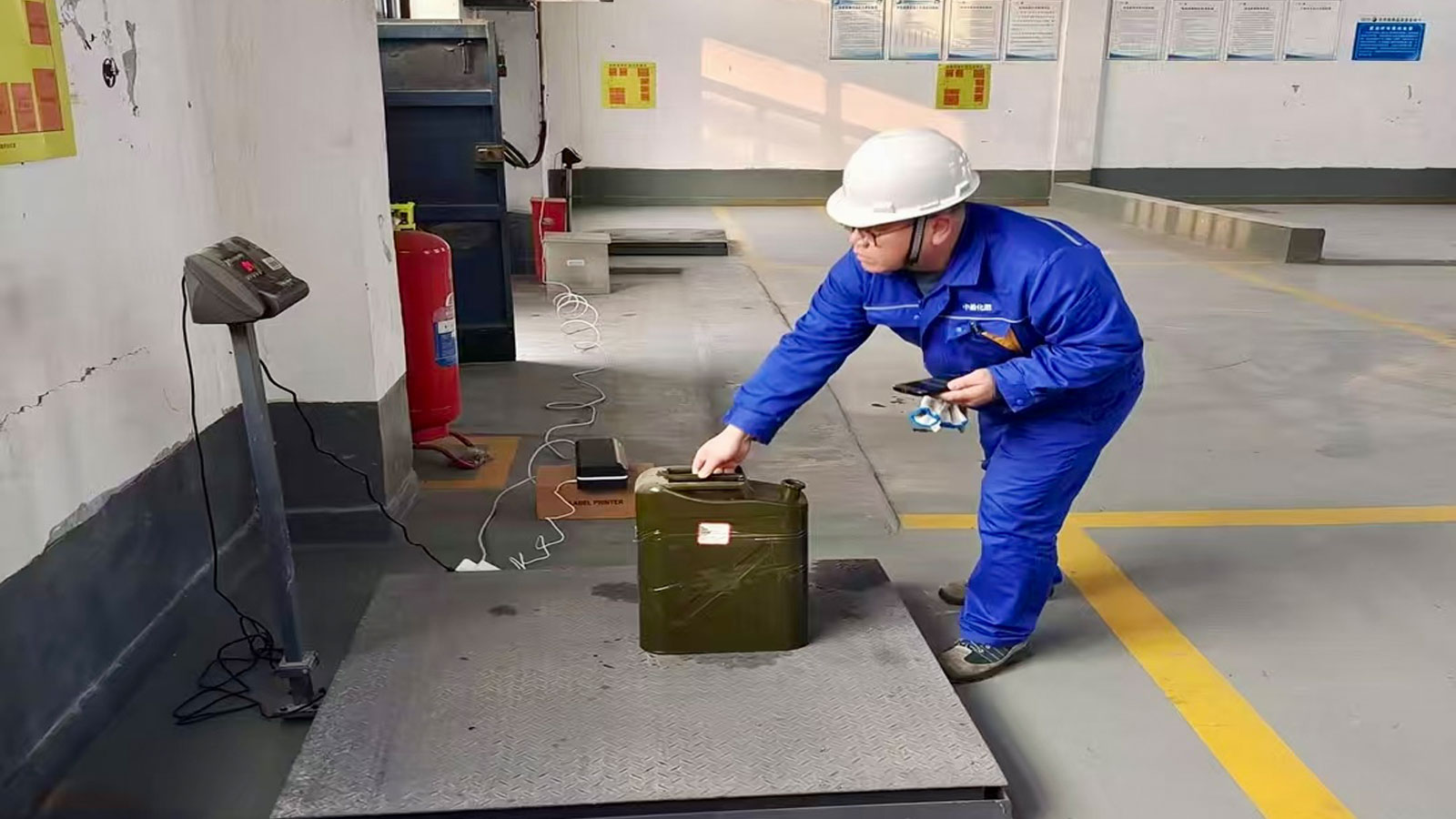
Outstanding Advantages of Hazardous Waste Storage Cabinets:
Flexible Adaptability: Diverse sizes can precisely match the short-term storage needs of small batches of high-risk hazardous waste, enabling on-demand configuration;
Simplified Approval: Avoids complex approval processes, significantly reducing corporate compliance costs and time investment;
Convenient Deployment: Flexible installation, unaffected by outdoor decentralized site limitations, allowing rapid placement in required operational areas;
Safe and Reliable: Possesses excellent protective performance, enabling safe use even near areas with high population density;
Risk Isolation: Individually designed units prevent the chain diffusion of accidents at the source;
Rapid Commissioning: Short construction period, unaffected by seasonal weather, ensuring efficient execution of the "immediate storage" step.
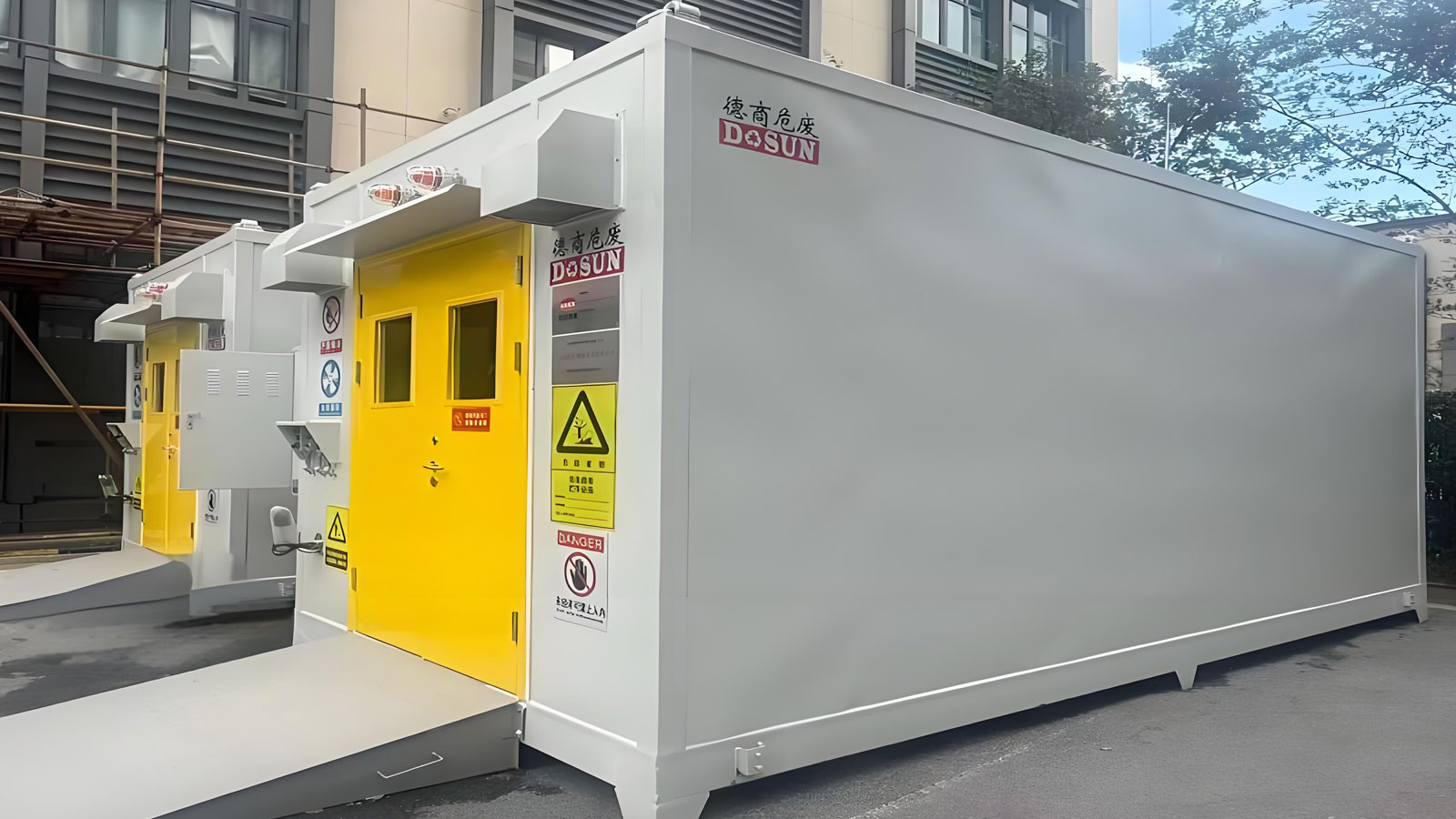
As a crucial support for the "Five Immediate Actions" intelligent management model, the deep integration of hazardous waste storage cabinets with technologies like big data and artificial intelligence will further empower the hazardous waste supervision system. It not only continues the advantage of "one code managing the entire process" for full traceability but also, through its flexibility and efficiency, reduces the burden of corporate ledger management and reporting, enhancing data accuracy and regulatory precision.
Against the backdrop of the 11th Provincial Party Committee's 10th Plenary Session proposing the promotion of green low-carbon transformation and ecological governance, hazardous waste storage cabinets contribute new momentum to the construction of a "Waste-Free City" by facilitating the reduction, resource utilization, and harmless treatment of solid waste. They effectively strengthen the bottom line of environmental safety, deepen the foundation for green development, and propel hazardous waste governance towards a new stage that is more efficient, safer, and smarter.
 New
New
- 1 Choosing the Right Hazardous Waste Temporary Storage Cabinet Is Only the First Step; Poor Daily Management Still Fails Environmental Protection Inspections 2026-09-16
- 2 DeSUN ECOTECH Intelligent Battery Storage Cabinets Enter German Market; One-Stop Delivery Reinforces Battery Safety Defense 2026-09-09
- 3 New Specifications for Gas Cylinder Storage: Analysis of Intelligent Explosion-Proof Solutions for Both Indoor and Outdoor Scenarios 2026-09-02
- 4 30 Sets of Customized Non-Standard Hazardous Waste Containers Exported to Kazakhstan: Why DeSUN ECOTECH Earns Trust? 2026-08-27
- 5 DeSUN ECOTECH Flammable Liquid Safety Storage Cabinet Passes SGS 90-Minute Fire Test and Earns Type 90 Certification 2026-08-19
 Hot
Hot
- 1 Intelligent Environmental Protection: What Makes a Good Hazardous Waste Temporary Storage Cabinet? DeSUN ECOTECH Provides the Answer 2026-04-15
- 2 Hazardous Waste and General Solid Waste: Comprehensive Analysis of Identification Standards, Treatment Methods and DeSUN ECOTECH Solutions 2026-04-09
- 3 Hazardous Chemicals and Hazardous Waste Temporary Storage Cabinets: How to Choose the Right "Safety Steward"? A Comprehensive Guide to Differences and Selection 2026-04-22
- 4 Shanghai DeSUN ECOTECH CO., Ltd – Selected as a 2025 Shanghai "Specialized, Refined, Differential and Innovative (SRDI)" Small and Medium-sized Enterprise 2025-09-04
- 5 Safety Standards for Outdoor Gas Cylinder Cabinets: Multi-dimensional Environmental Protection to Build a Strong Defense Line for Outdoor Storage Safety 2026-02-26



- About Us Company Profile Corporate Culture Corporate Awards
- Solutions Hazardous Waste Storage Solutions Hazardous Chemical Storage Solutions Gas Cylinder Storage Solutions Battery Storage, Transfer, and Charging Solutions Intelligent Transfer Solutions
- Products Hazardous Waste Storage Cabinets Hazardous Chemical Storage Cabinets Intelligent Gas Cylinder Storage Cabinets Intelligent Battery Storage Cabinets Intelligent Transfer Containers More Products
-
Customer Cases
By Product
Category - News Corporate News Industry News
- Contact Us Contact Us
 沪公网安备31011402021669号
-
 Online Message


- Online Message