

 CN
CN


On December 27, 2025, the 19th Session of the Standing Committee of the 14th National People's Congress voted to pass the Law of the People's Republic of China on the Safety of Hazardous Chemicals, which will come into force on May 1, 2026.
Article 41 of the Law clarifies the core requirements for dedicated storage facilities for hazardous chemicals, incorporating storage cabinets (temporary storage cabinets for hazardous chemicals) into the statutory scope of dedicated storage. It stipulates mandatory provisions such as management by designated personnel, separate storage of highly toxic chemicals and those constituting major hazard sources with a dual-person receipt, dispatch, and custody system, and retention of receipt and dispatch records for no less than three years. These provisions define the legality boundaries for the standardized use of temporary storage cabinets and serve as a key legal basis for preventing safety risks in the storage phase.
Due to their flammable, explosive, corrosive, and toxic properties, the storage phase has always been a top priority in the safety management of hazardous chemicals. As a key piece of equipment for the temporary storage of hazardous chemicals, the standardized configuration and operation of temporary storage cabinets are directly linked to the safety of personnel, property, and the ecological environment. Centered on the principle of "putting the people first and life first," the Law sets legal red lines across multiple dimensions—including planning and layout, safety conditions, and risk control—to drive a shift in hazardous chemical storage safety management toward proactive prevention.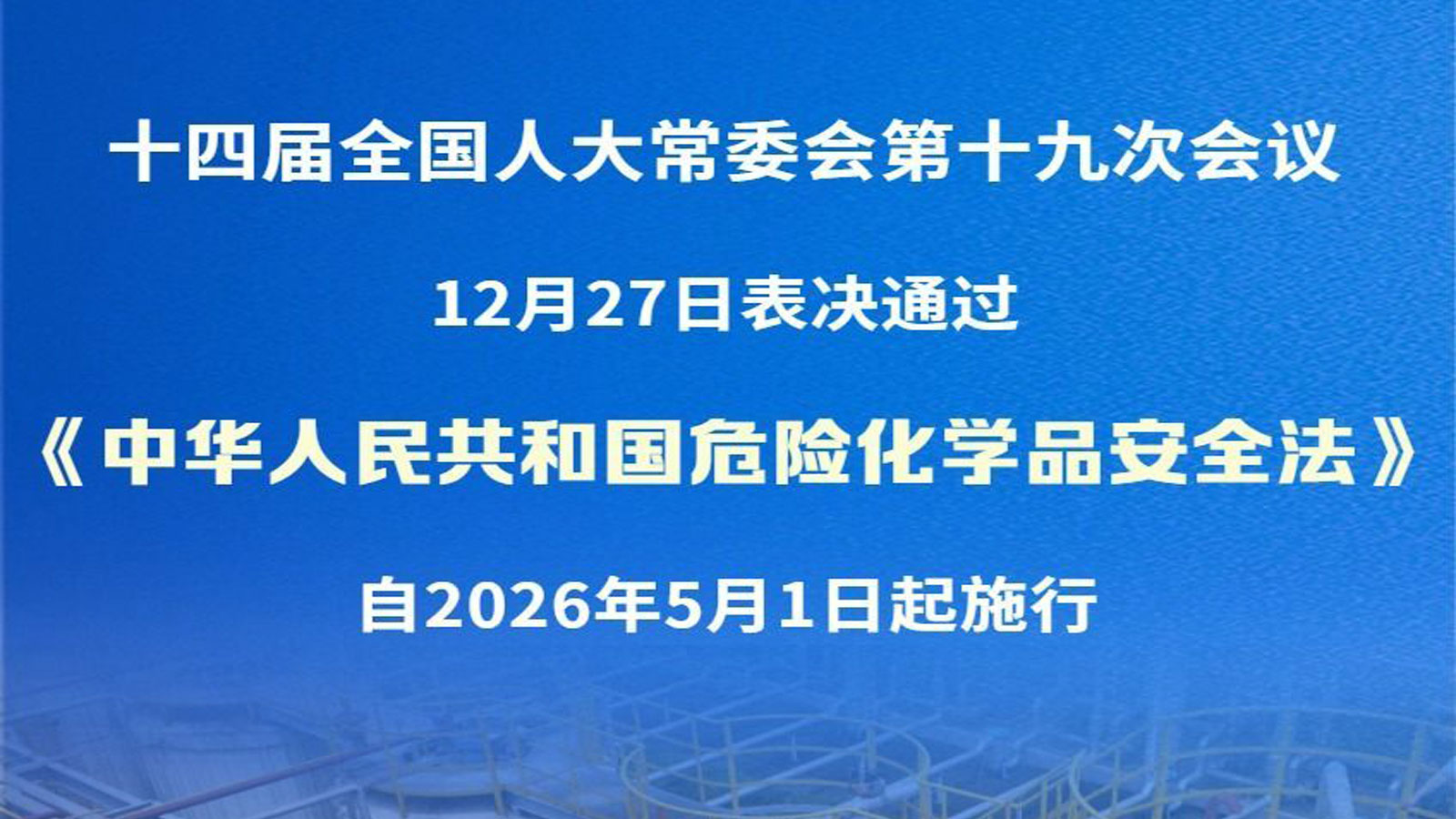
I. Statutory Requirements for the Selection and Placement of Temporary Storage Cabinets
Articles 16 and 22 of the Law of the People's Republic of China on the Safety of Hazardous Chemicalsexplicitly state that the storage of hazardous chemicals must follow the principles of overall planning and rational layout. This requires enterprises, when selecting temporary storage cabinets, to choose certified specialized cabinets based on the nature of the stored chemicals (e.g., flammable liquids, corrosive liquids, highly toxic chemicals), ensuring that the material and protection level are compatible with the characteristics of the hazardous substances.
The placement location must meet two requirements:
Maintain a statutory safety distance from sensitive areas such as residential zones and schools, and avoid dangerous areas like seismic fault zones and flood-prone regions;
Strictly prohibit placing cabinets in crowded places or areas that do not meet safety conditions.
Meanwhile, the Law encourages the adoption of advanced storage facilities, urging enterprises to replace traditional simple storage devices with compliant temporary storage cabinets equipped with functions such as explosion-proof, fire-resistant, and anti-static capabilities.
II. Operational Norms for the Daily Management of Temporary Storage Cabinets
1. Classification and Risk Control
Pursuant to Article 41 of the Law of the People's Republic of China on the Safety of Hazardous Chemicals, hazardous chemicals shall be stored in dedicated facilities. Highly toxic chemicals and those constituting major hazard sources must be stored separately under a dual-person receipt, dispatch, and custody system. The use of temporary storage cabinets must strictly adhere to the principle of classified storage: incompatible chemicals (e.g., oxidizers and reducers, strong acids and strong alkalis) must be stored in separate cabinets, and mixed storage that could trigger chemical reactions is strictly prohibited.
2. Ledgers and Facility Maintenance
Enterprises must establish a system for checking and registering the incoming and outgoing of hazardous chemicals, detailing the type, quantity, flow, and management personnel information of stored chemicals. Receipt and dispatch records must be retained for at least three years. Additionally, enterprises shall regularly inspect and maintain the sealing performance, static grounding devices, safety warning signs, and other components of temporary storage cabinets to ensure that safety facilities (e.g., ventilation, fire prevention, leak prevention) remain functional. Monitoring equipment directly related to production safety must not be disabled or damaged.
3. Dynamic Risk Management
In accordance with Article 34 of the Law of the People's Republic of China on the Safety of Hazardous Chemicals, if there is a change in the type or quantity of hazardous chemicals stored in a temporary cabinet, the enterprise must conduct a new safety risk identification and assessment and adjust control measures accordingly. If the storage quantity reaches the threshold for a major hazard source, the enterprise must fulfill additional obligations—including registration and filing, regular assessment, emergency filing—and report to the emergency management department for filing.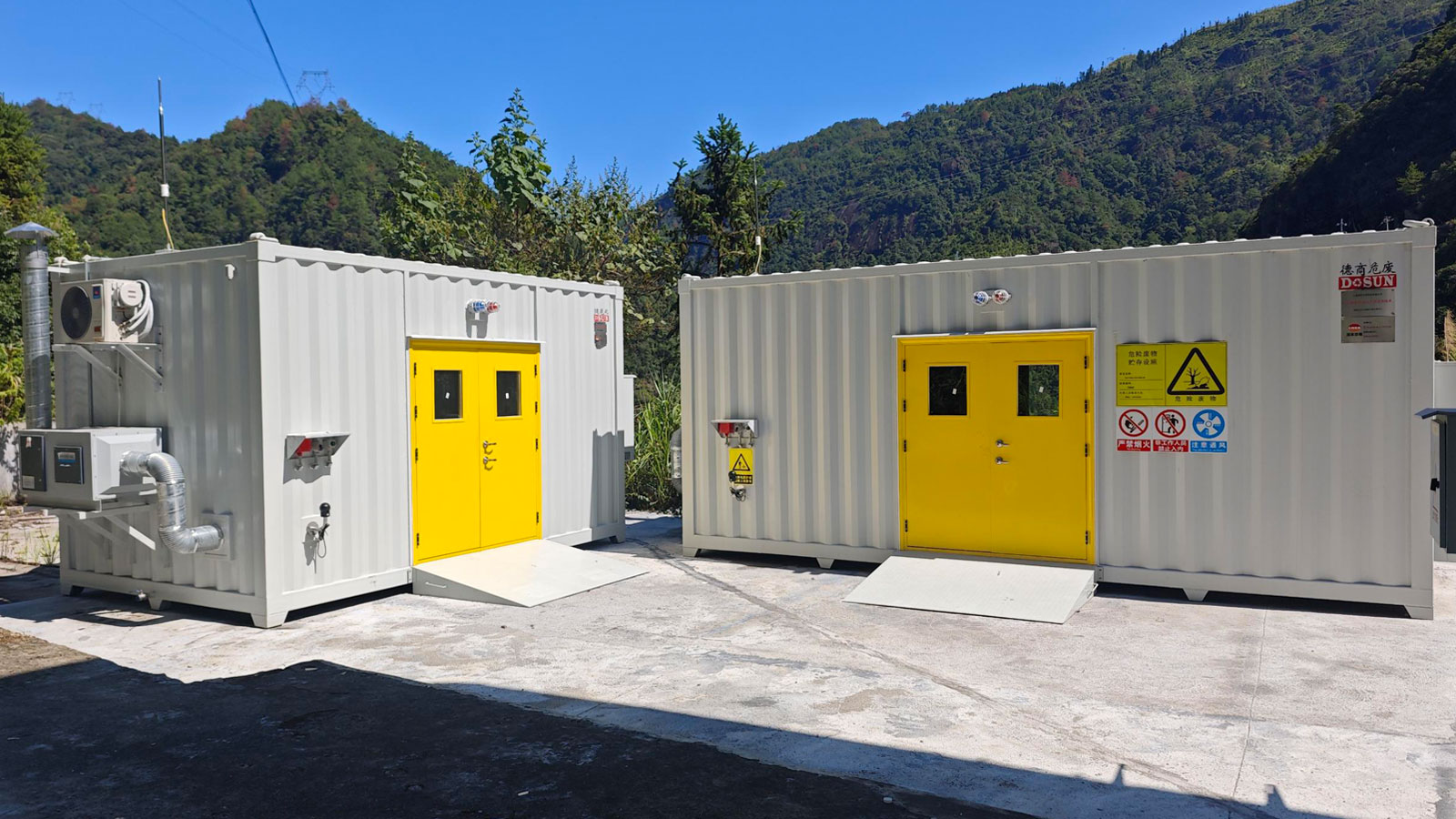
III. Implementation of Legal Liability and Primary Responsibility
The Law of the People's Republic of China on the Safety of Hazardous Chemicalsstrengthens the dual implementation of an enterprise’s primary responsibility and the government’s regulatory responsibility. Enterprises that use temporary storage cabinets that have not passed safety certification, or fail to conduct safety evaluations and facility acceptance as required, will face heavy administrative penalties. If an accident occurs due to improper management, relevant personnel may be held criminally liable.
The Law explicitly requires storage units to establish an all-staff work safety responsibility system, employ professional technical personnel, and ensure that employees can only start work after passing assessments. Furthermore, enterprises must commission a qualified institution to conduct a safety evaluation every three years. The evaluation report and rectification status must be submitted to the emergency management department for filing to ensure that the management of temporary storage cabinets remains compliant and controllable throughout the process.
In conclusion, the management of temporary storage cabinets for hazardous chemicals is a systematic project spanning selection, placement, use, and maintenance. With the Law coming into force on May 1, 2026, enterprises must translate its requirements into concrete management measures, strictly adhering to compliance, operational, and supervisory standards. This will build a robust first line of defense for hazardous chemical storage safety and provide a solid guarantee for the safe and healthy development of the industry.
 New
New
- 1 Choosing the Right Hazardous Waste Temporary Storage Cabinet Is Only the First Step; Poor Daily Management Still Fails Environmental Protection Inspections 2026-09-16
- 2 DeSUN ECOTECH Intelligent Battery Storage Cabinets Enter German Market; One-Stop Delivery Reinforces Battery Safety Defense 2026-09-09
- 3 New Specifications for Gas Cylinder Storage: Analysis of Intelligent Explosion-Proof Solutions for Both Indoor and Outdoor Scenarios 2026-09-02
- 4 30 Sets of Customized Non-Standard Hazardous Waste Containers Exported to Kazakhstan: Why DeSUN ECOTECH Earns Trust? 2026-08-27
- 5 DeSUN ECOTECH Flammable Liquid Safety Storage Cabinet Passes SGS 90-Minute Fire Test and Earns Type 90 Certification 2026-08-19
 Hot
Hot
- 1 Intelligent Environmental Protection: What Makes a Good Hazardous Waste Temporary Storage Cabinet? DeSUN ECOTECH Provides the Answer 2026-04-15
- 2 Hazardous Waste and General Solid Waste: Comprehensive Analysis of Identification Standards, Treatment Methods and DeSUN ECOTECH Solutions 2026-04-09
- 3 Hazardous Chemicals and Hazardous Waste Temporary Storage Cabinets: How to Choose the Right "Safety Steward"? A Comprehensive Guide to Differences and Selection 2026-04-22
- 4 Safety Standards for Outdoor Gas Cylinder Cabinets: Multi-dimensional Environmental Protection to Build a Strong Defense Line for Outdoor Storage Safety 2026-02-26
- 5 Shanghai DeSUN ECOTECH CO., Ltd – Selected as a 2025 Shanghai "Specialized, Refined, Differential and Innovative (SRDI)" Small and Medium-sized Enterprise 2025-09-04



- About Us Company Profile Corporate Culture Corporate Awards
- Solutions Hazardous Waste Storage Solutions Hazardous Chemical Storage Solutions Gas Cylinder Storage Solutions Battery Storage, Transfer, and Charging Solutions Intelligent Transfer Solutions
- Products Hazardous Waste Storage Cabinets Hazardous Chemical Storage Cabinets Intelligent Gas Cylinder Storage Cabinets Intelligent Battery Storage Cabinets Intelligent Transfer Containers More Products
-
Customer Cases
By Product
Category - News Corporate News Industry News
- Contact Us Contact Us
 沪公网安备31011402021669号
-
 Online Message


- Online Message