

 CN
CN


I. Identification Standards and Core Differences Between General Solid Waste and Hazardous Waste
1. Identification Standards
- General solid waste: Solid waste that is not included in the National Catalogue of Hazardous Wastes and is determined to have no hazardous characteristics (toxicity, corrosivity, flammability, reactivity, infectivity) in accordance with the GB 5085 identification standards and GB/T 15555 identification methods.
- Hazardous waste: Waste that meets one of the two circumstances specified in the National Catalogue of Hazardous Wastes (2025 Edition): possesses one or more of the above hazardous characteristics; or cannot be excluded from having hazardous characteristics that may cause harmful effects on the environment or human health, and thus needs to be managed as hazardous waste.
2. Core Differences
The core differences between the two run through the entire management process, specifically reflected in four key dimensions:
- In terms of hazard degree: General solid waste has relatively minor hazards, and some can decompose naturally, while hazardous waste has severe and persistent hazards, and its impact on the environment and human health is difficult to reverse.
- In terms of management requirements: General solid waste is subject to routine management without strict special qualifications, while hazardous waste requires strict control, and enterprises must possess special qualifications and implement the transfer manifest system.
- In terms of disposal prerequisites: General solid waste can be directly disposed of or recycled, while hazardous waste must undergo harmless treatment before entering the subsequent disposal links.
- In terms of environmental impact: General solid waste only causes local short-term impacts, while hazardous waste produces long-term cumulative impacts and can pollute multiple environmental media such as soil, water bodies and the atmosphere.
3. Main Hazards
- General solid waste: Occupies land resources, breeds bacteria and mosquitoes, produces foul odors that affect the surrounding environment, and some with excessive heavy metal content can cause soil pollution.
- Hazardous waste: Corrosive substances can damage equipment and soil structure; toxic substances endanger human health through bioaccumulation in the food chain; flammable substances are prone to cause fires and explosions; reactive substances may produce toxic gases or violent reactions; infectious substances spread diseases, and their pollution is latent, long-term and irreversible.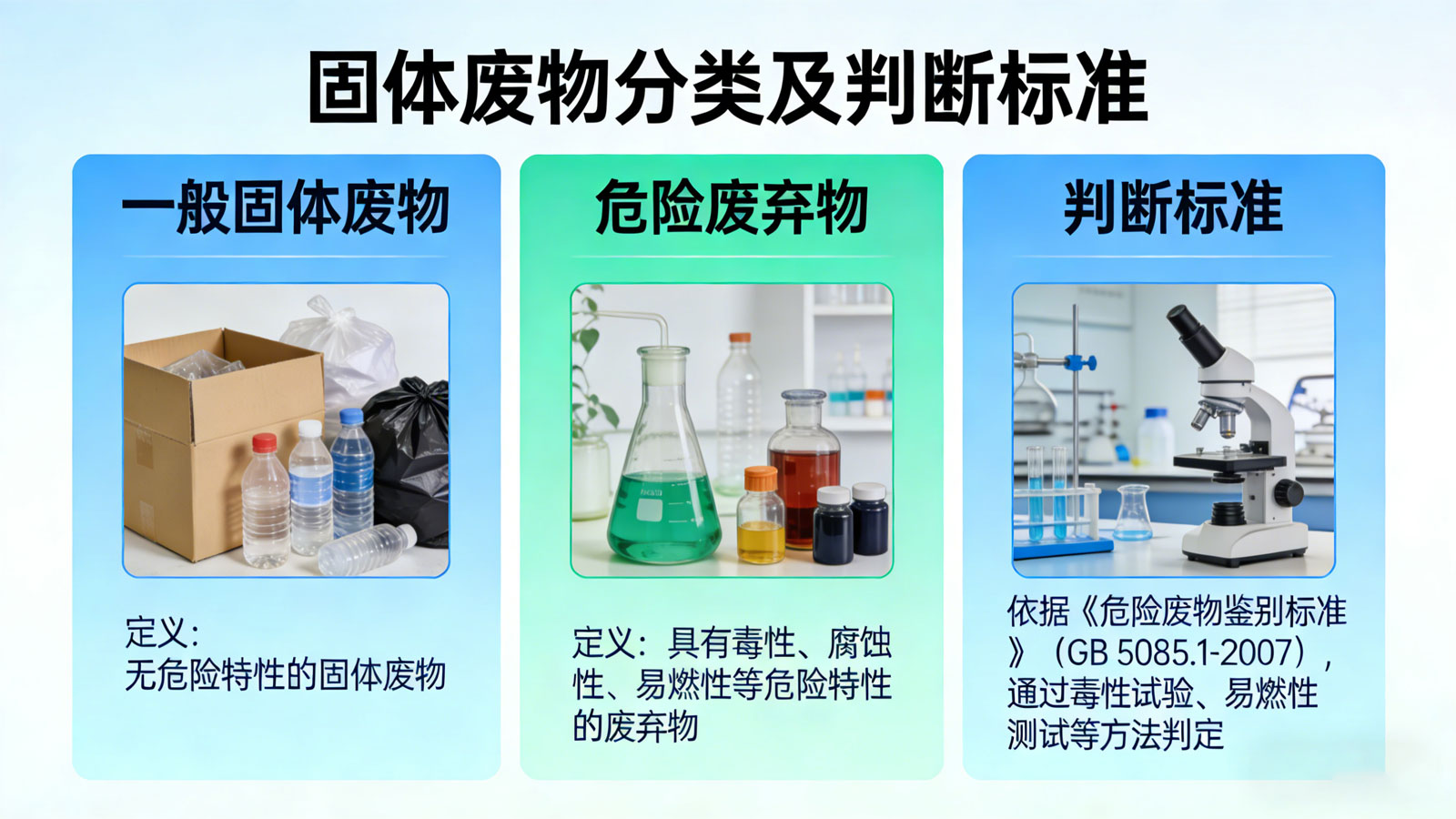
II. Treatment Methods for General Solid Waste
1. Recycling and reuse: Classify and process waste metals, waste paper, waste plastics, etc., convert them into raw materials for recycling, and maximize resource utilization.
2. Composting: Use microorganisms to decompose organic waste (kitchen waste, garden waste) into organic fertilizers, suitable for easily degradable organic matter.
3. Incineration: High-temperature combustion reduces volume by 80%-90%, and recovers heat energy for power generation or heating. It is suitable for waste with high calorific value and difficult degradation, and must be equipped with an exhaust gas purification system to control dioxin emissions.
4. Sanitary landfill: Isolate waste from groundwater through a multi-layer anti-seepage system, compact in layers and cover with soil. Leachate is collected and treated before discharge, and biogas is recycled or incinerated. It is suitable for waste that cannot be recycled or treated.
5. Physical treatment: Reduce volume through crushing and compaction to facilitate subsequent disposal and improve transportation and landfill efficiency.
III. DeSUN ECOTECH Centralized Collection and Transfer Station for General Solid Waste: One-stop Solution to Enterprise Solid Waste Problems
The DeSUN ECOTECH centralized collection and transfer station for general solid waste builds a compliance bottom line with standardization, improves disposal efficiency with intelligence, connects the entire process from source classification to terminal disposal, and solves four core problems for enterprises:
1. Compliance risk control: Entrust compliant transportation units equipped with "three-prevention" special vehicles for airtight transfer, keep complete ledger records throughout the process, eliminate behaviors such as mixed collection and transportation and illegal dumping, and avoid environmental penalty risks.
2. Cost optimization: Integrate scattered solid waste and transport in batches to reduce unit transportation costs, avoid high investment in self-built collection and transportation systems by enterprises, and improve the utilization rate of recyclables through secondary sorting.
3. Efficiency improvement: Provide "one-stop" collection, transportation and disposal services, change the situation of multi-party disposal for enterprises, and implement unified management by a professional team, which greatly improves collection and transportation efficiency and reduces enterprise human input.
4. Resource recycling: Connect recyclable solid waste with resource utilization channels, and transport solid waste with no utilization value to formal harmless disposal sites, realizing seamless connection between "collection and transportation - disposal" and practicing the principle of priority of resource utilization.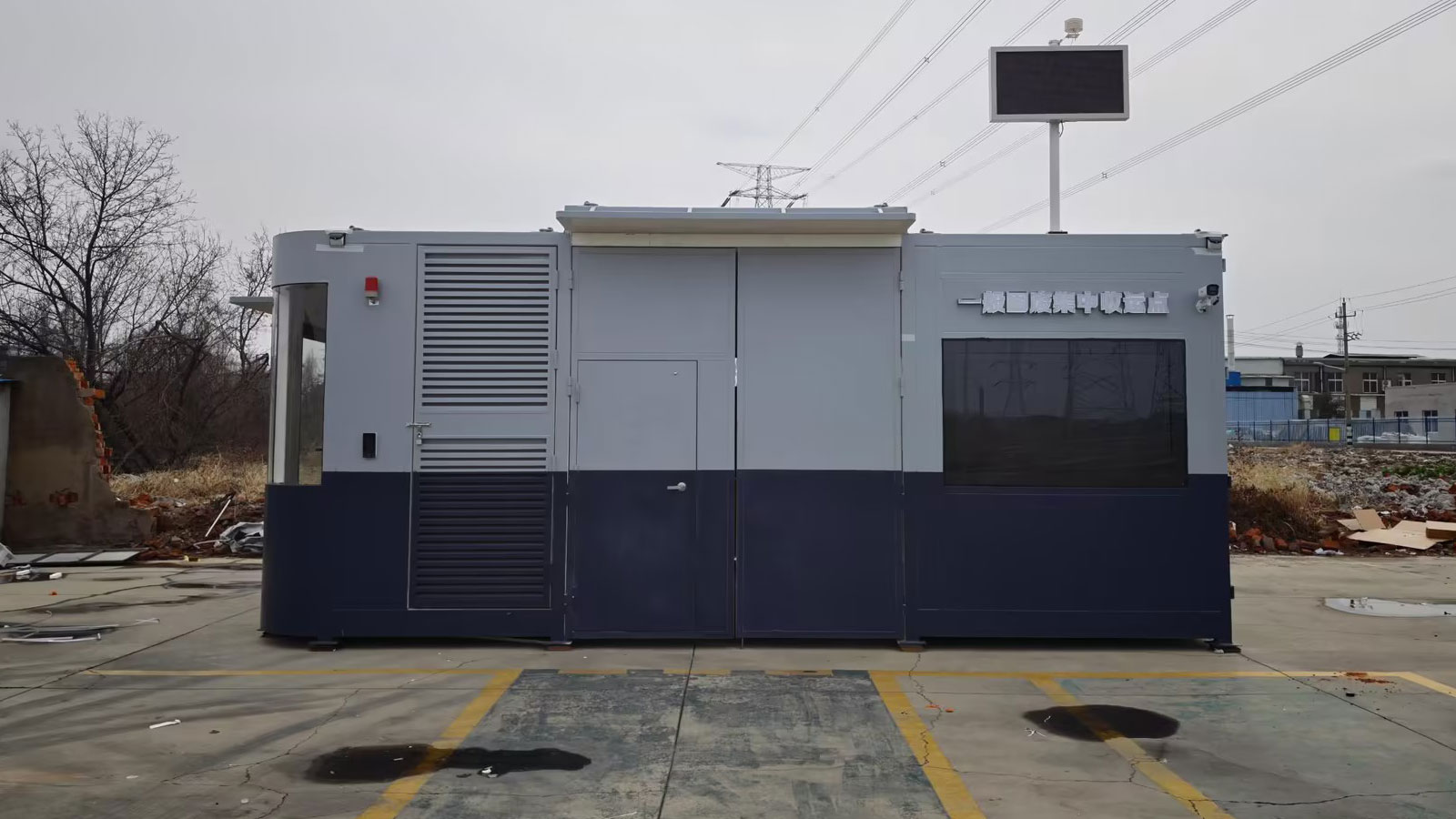
IV. Treatment Methods for Hazardous Waste
1. Physical treatment: Magnetic separation, drying, distillation, adsorption, membrane processes, etc., change the form of waste to facilitate transportation and storage, and separate harmful substances.
2. Chemical treatment: Neutralization, precipitation, oxidation-reduction, hydrolysis and other reactions convert toxic substances into low-toxic or non-toxic forms, such as neutralization treatment of waste acid and waste alkali.
3. Biological treatment: Use microorganisms to degrade organic hazardous waste, suitable for degradable organic pollutants, such as bioremediation of oily sludge.
4. Solidification/stabilization: Use cement, asphalt and other solidification materials to fix and wrap hazardous waste, reduce its mobility, and prepare for safe landfill.
5. Thermal treatment: High-temperature incineration (≥850℃) decomposes organic matter, reduces volume by more than 90% and destroys toxicity; plasma technology completely eliminates dioxins, and the products can be recycled.
6. Safe landfill: Landfill in special sites equipped with multiple anti-seepage systems and leachate and biogas collection and treatment facilities, requiring long-term monitoring of anti-seepage performance.
V. DeSUN ECOTECH Hazardous Waste Temporary Storage Cabinets: "Intelligent Guards" for Source Safety Control of Hazardous Waste
DeSUN ECOTECH hazardous waste temporary storage cabinets take "no need for fixed civil construction, storage as produced, and nearby risk control" as core advantages, and accurately solve the pain points of enterprise hazardous waste temporary storage:
1. Compliant storage guarantee: The cabinet body has good air tightness to block the diffusion of toxic gases, and is equipped with explosion-proof locks, anti-static grounding devices and temperature monitoring modules, complying with the Standard for Pollution Control on Hazardous Waste Storage (GB 18597-2023), and eliminating illegal behaviors such as open-air stacking and chaotic classification.
2. Safety risk prevention and control: The gas detection and alarm function monitors the concentration in the cabinet in real time, the leakage sensor triggers dual reminders of APP and audible and visual alarms, and the intelligent ventilation system prevents the accumulation of harmful gases, avoiding safety accidents during the temporary storage stage.
3. Intelligent traceability management: The supporting intelligent system realizes "scanning to enter", automatically generates electronic ledgers and hazardous waste transfer manifests, presets standard data on hazardous characteristics and protective measures, solves the problems of error-prone and difficult-to-trace manual ledgers, and meets the regulatory requirements of environmental protection departments.
4. Cost-benefit optimization: No large-scale infrastructure investment is required, the cost of a single device is low, small, medium and micro enterprises do not need to bear the cost of supporting facilities, and the capacity is flexibly adapted to different waste production scales, greatly lowering the entry threshold for hazardous waste treatment.
5. Flexible scene adaptation: The modular design can be flexibly arranged at workshop waste production points, laboratories, etc., realizing "nearby temporary storage and nearby control", and reducing the risk of hazardous waste transfer in the factory area.
VI. Summary: Full-chain Guarantee for Solid Waste and Hazardous Waste Treatment from Source Compliance to Terminal Disposal
Scientific distinction between general solid waste and hazardous waste is the starting point of environmental governance, and different attributes determine differentiated management and disposal paths. Resource utilization is the priority for general solid waste, while safe and harmless disposal is the prerequisite for hazardous waste.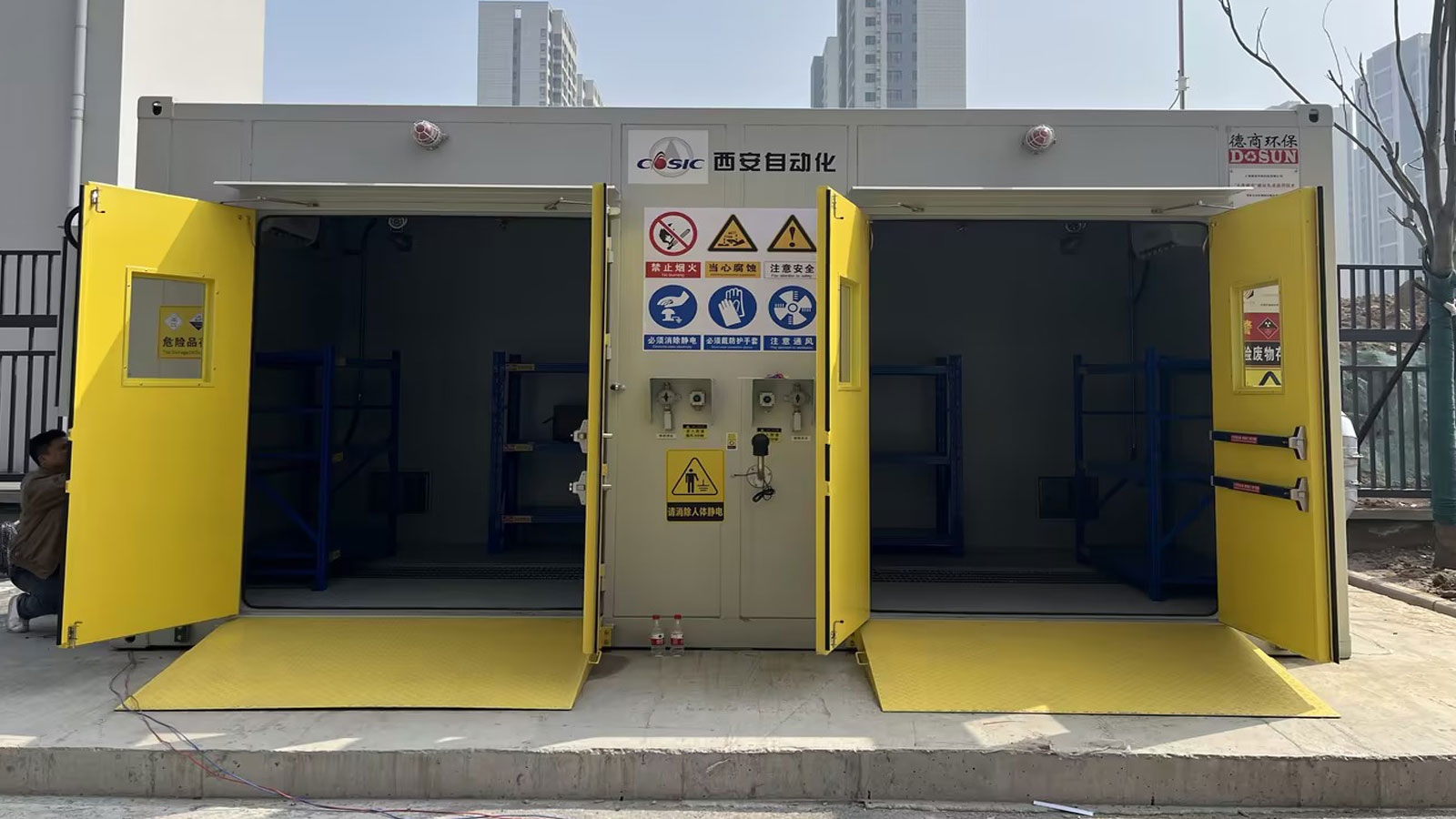
Shanghai DeSUN ECOTECH CO., Ltd has built a full-chain solution from source classification, temporary storage to collection, transportation and disposal through two core products: the centralized collection and transfer station for general solid waste and hazardous waste temporary storage cabinets. The centralized collection and transfer station solves the problems of "difficult collection and transportation, high cost and high compliance risk" of enterprise solid waste, while the hazardous waste temporary storage cabinets fill the gap in compliant temporary storage of hazardous waste for small and medium-sized entities, realize risk control in an intelligent and low-cost way, provide professional and efficient environmental protection solutions for enterprises, and contribute to the construction of "Zero-Waste Cities" and sustainable development.
 New
New
- 1 Choosing the Right Hazardous Waste Temporary Storage Cabinet Is Only the First Step; Poor Daily Management Still Fails Environmental Protection Inspections 2026-09-16
- 2 DeSUN ECOTECH Intelligent Battery Storage Cabinets Enter German Market; One-Stop Delivery Reinforces Battery Safety Defense 2026-09-09
- 3 New Specifications for Gas Cylinder Storage: Analysis of Intelligent Explosion-Proof Solutions for Both Indoor and Outdoor Scenarios 2026-09-02
- 4 30 Sets of Customized Non-Standard Hazardous Waste Containers Exported to Kazakhstan: Why DeSUN ECOTECH Earns Trust? 2026-08-27
- 5 DeSUN ECOTECH Flammable Liquid Safety Storage Cabinet Passes SGS 90-Minute Fire Test and Earns Type 90 Certification 2026-08-19
 Hot
Hot
- 1 Intelligent Environmental Protection: What Makes a Good Hazardous Waste Temporary Storage Cabinet? DeSUN ECOTECH Provides the Answer 2026-04-15
- 2 Hazardous Waste and General Solid Waste: Comprehensive Analysis of Identification Standards, Treatment Methods and DeSUN ECOTECH Solutions 2026-04-09
- 3 Hazardous Chemicals and Hazardous Waste Temporary Storage Cabinets: How to Choose the Right "Safety Steward"? A Comprehensive Guide to Differences and Selection 2026-04-22
- 4 Safety Standards for Outdoor Gas Cylinder Cabinets: Multi-dimensional Environmental Protection to Build a Strong Defense Line for Outdoor Storage Safety 2026-02-26
- 5 Shanghai DeSUN ECOTECH CO., Ltd – Selected as a 2025 Shanghai "Specialized, Refined, Differential and Innovative (SRDI)" Small and Medium-sized Enterprise 2025-09-04


- About Us Company Profile Corporate Culture Corporate Awards
- Solutions Hazardous Waste Storage Solutions Hazardous Chemical Storage Solutions Gas Cylinder Storage Solutions Battery Storage, Transfer, and Charging Solutions Intelligent Transfer Solutions
- Products Hazardous Waste Storage Cabinets Hazardous Chemical Storage Cabinets Intelligent Gas Cylinder Storage Cabinets Intelligent Battery Storage Cabinets Intelligent Transfer Containers More Products
-
Customer Cases
By Product
Category - News Corporate News Industry News
- Contact Us Contact Us
 沪公网安备31011402021669号
-
 Online Message


- Online Message