

 CN



Throughout the processes of production, laboratory testing, temporary recycling storage and turnover, batteries fall into three categories: finished batteries, waste batteries and test-pending batteries. Storage objects are not limited to retired batteries; temporary storage and turnover management also pose challenges for lithium batteries, lead-acid batteries and waste battery recycling stations. Relevant regulations set requirements for sites, time limits, management ledgers and pollution prevention. For hazardous wastes such as waste lead-acid batteries, storage must also comply with relevant standards for pollution control of hazardous waste storage. The storage link is shifting from "finding a place to put them" to "managing them in accordance with standards".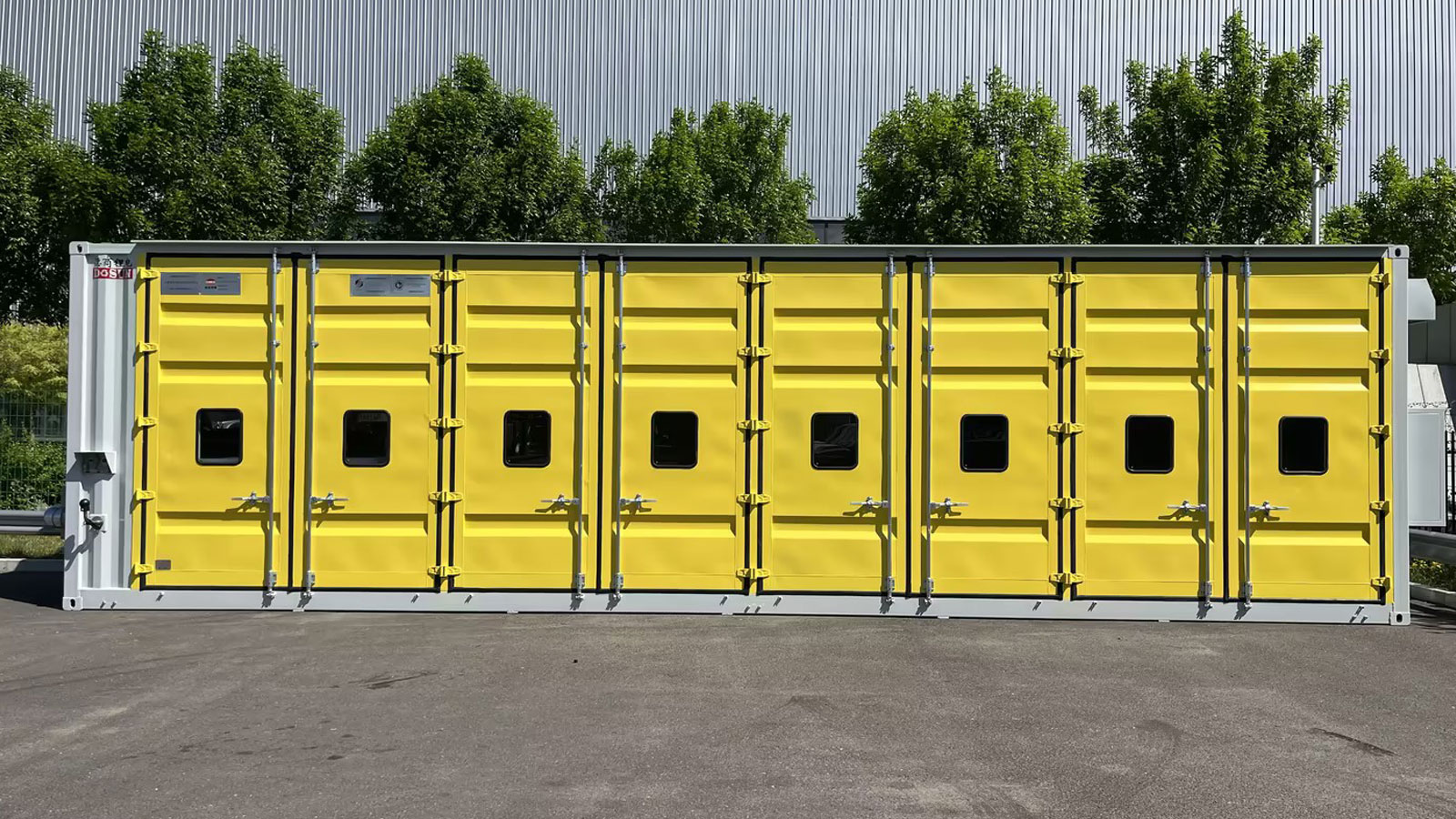
1. Compliance Boundaries: Alignment Between Storage Objects and Standard Requirements
GB/T 38698.2-2023 specifies the collection, storage, and safety and environmental protection operations of recycling service outlets. The Interim Measures for the Administration of Recycling and Comprehensive Utilization of Waste Power Batteries for New Energy Vehicles, issued by six national departments, puts forward requirements for the storage time limit, site conditions and ledger management of recycling service outlets. Enterprises shall classify batteries by their status. Mixed storage of finished, waste and test-pending batteries will increase the cross risks of short circuit and thermal runaway. Compliance is not merely a matter of a single certificate; it requires systematic matching of sites, facilities, processes and records.
2. Practical Pain Points: Overlapping Safety and Environmental Pressures in Temporary Storage Spaces
Thermal runaway of lithium batteries can be triggered by internal short circuits, overcharging, aging or external impact, and such risks also exist during storage. A fire at a lithium battery transit warehouse in Huizhou burned an area of over 2,000 square meters and caused direct economic losses of nearly 10 million yuan, reminding the industry that "temporary storage" does not justify lower management requirements. Damaged or waste batteries may release characteristic pollutants such as fluorides. The lack of closed collection and targeted treatment will increase the pressure of environmental compliance. Safety and environmental protection need to be collaboratively designed within the same storage unit.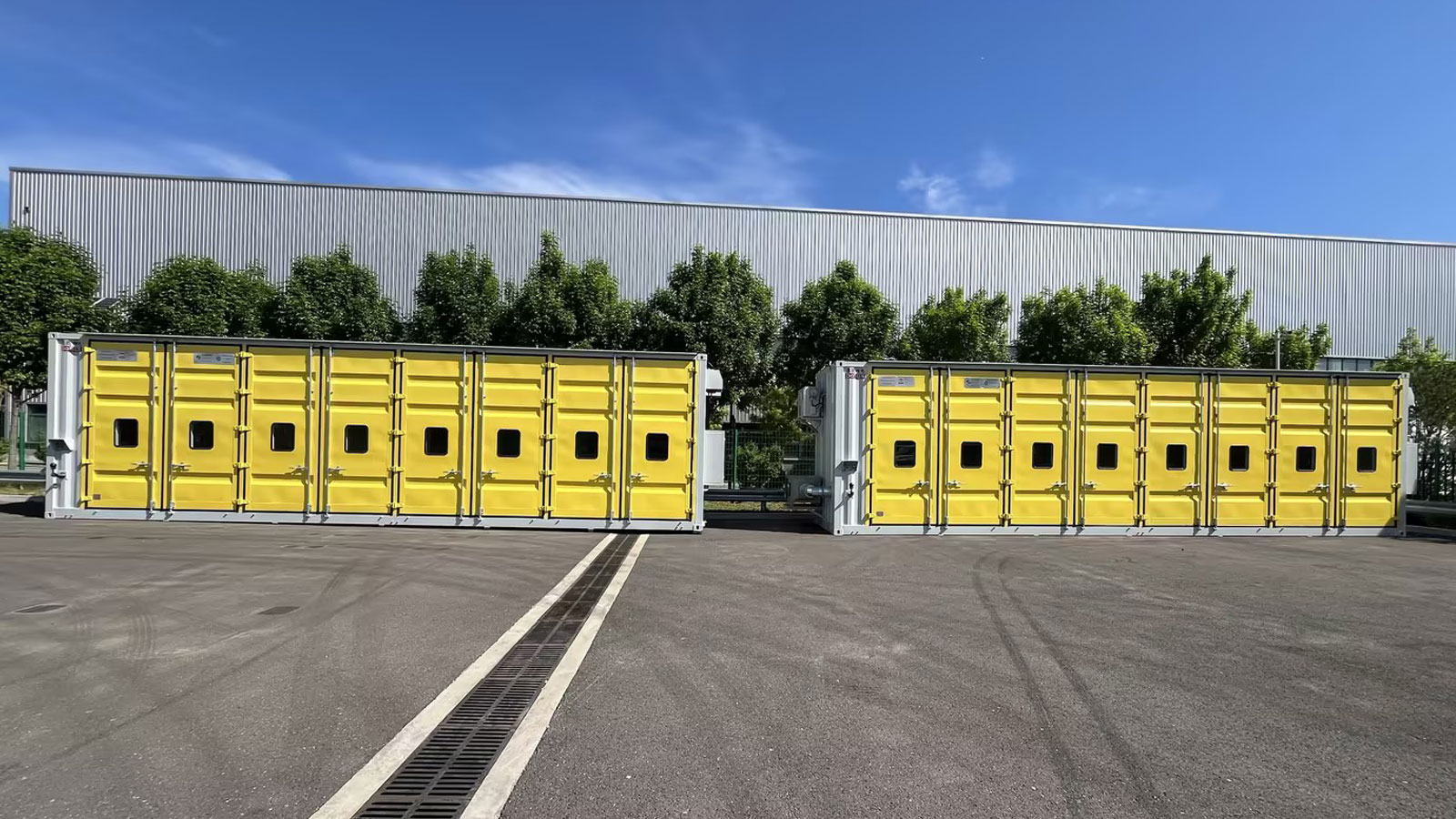
3. Management Shortcomings: Manual Inspection Fails to Form a Continuous Data Chain
Many storage scenarios rely on manual inspection and paper ledgers, lacking continuous and traceable records of temperature, gas concentration and battery status changes. When risk evolution outpaces the inspection frequency, judgment tends to lag behind. Unclear zoning for batteries of different specifications and statuses will also increase the risk of misoperation and cross interference. Storage management needs to shift from "experience-based judgment" to "parameter monitoring + record traceability", so as to provide verifiable basis for daily management and compliance inspections.
4. Solution Approach: Transforming Storage Units into Active Control Equipment
For the temporary storage needs of finished, waste and test-pending batteries, equipment-based and modular solutions are a feasible path. DeSUN ECOTECH's intelligent battery storage cabinets are customized for batteries of all three statuses, focusing on fire protection, explosion protection, short circuit prevention, thermal runaway prevention and multi-parameter monitoring. The cabinet body adopts high-strength explosion-proof steel with a three-layer fireproof structure, matched with pressure relief devices. It is built with an internal insulating isolation layer and anti-leakage trays to reduce the risks of electrode contact and electrolyte spillover. The constant temperature control covers a range from -10℃ to 60℃, and zoned isolation supports classified storage.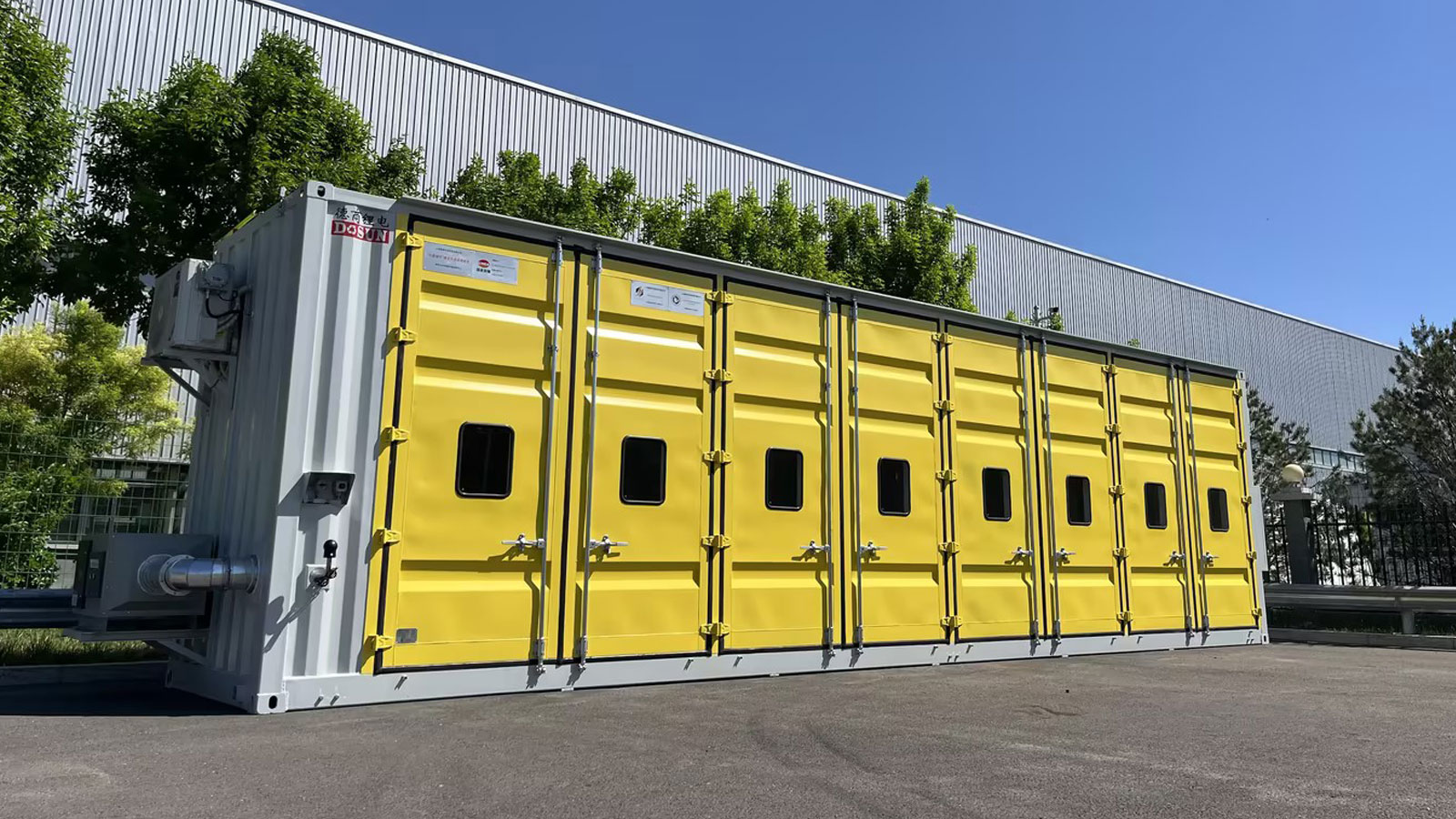
5. Environmental Configuration: Waste Gas Treatment Integrated into Storage Units
Leakage of battery anode materials may produce fluorides, which cannot be effectively controlled only by ventilation dilution. The cabinets are equipped with chemical neutralization and filtration modules to collect and treat waste gas, reducing the risk of unorganized emission. The anti-leakage trays at the bottom contain electrolyte leakage, facilitating subsequent collection and disposal in accordance with regulations. Embedding waste gas purification and leakage prevention design into the temporary storage link helps reduce environmental hazards at storage sites, and provides facility support for enterprises to implement pollution prevention requirements.
6. Digital Monitoring: Enabling Recordable and Traceable Storage Status
The cabinets integrate intelligent temperature control and monitoring modules to monitor key parameters such as temperature in real time, supporting data recording and traceability. Zoned isolation and status identification facilitate refined management of batteries of different specifications and statuses. Auxiliary function modules such as charging and discharging can be adapted to testing and turnover scenarios. Digitalization does not replace management; instead, it transforms links that cannot be continuously covered by manual inspection into a viewable and reviewable data chain, providing reference for ledger management and emergency response.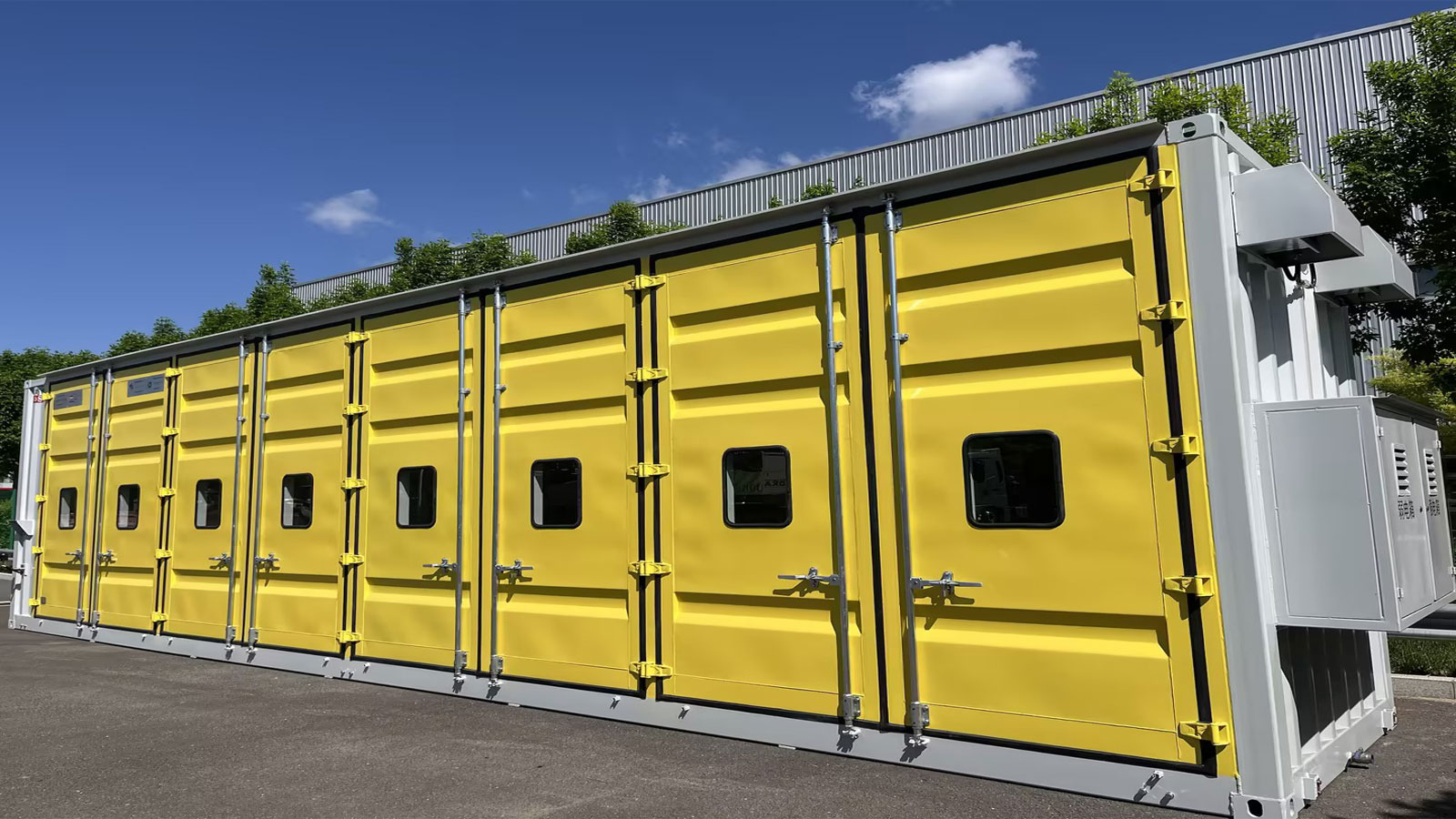
7. Standards and Recognition: Product Development Based on Solid Foundations
The products are designed in compliance with relevant standards such as GB/T 38698.2-2023, and are applicable to temporary storage and turnover scenarios including battery manufacturing plants, new energy battery recycling institutions, laboratory battery testing areas, and new energy equipment operation and maintenance centers. DeSUN ECOTECH's "intelligent and digital retired battery storage equipment" was included in the 2025 Catalogue of Practical Technologies and Typical Projects for Ecological Environmental Protection (No. 2025-J-38) by the China Association of Environmental Protection Industry, reflecting the industry's evaluation of its technological advancement and engineering applicability. Standard alignment and engineering verification are the foundation for storage equipment to be integrated into the compliance system.
8. Scenario Implementation: Classified Storage Matters More Than "One Cabinet for All Purposes"
Finished batteries, waste batteries and test-pending batteries are in different statuses, so storage strategies shall be designed by category. Manufacturing plants focus on turnover efficiency and short circuit protection; recycling outlets focus on damaged battery isolation and waste gas control; laboratories focus on temporary storage and recording before and after testing; operation and maintenance centers focus on temporary storage and transportation connection. The cabinet-based solution can be configured with zoning, monitoring and waste gas modules according to specific scenarios. However, when it comes to hazardous wastes such as waste lead-acid batteries, classified storage and disposal shall still be carried out in accordance with hazardous waste management requirements.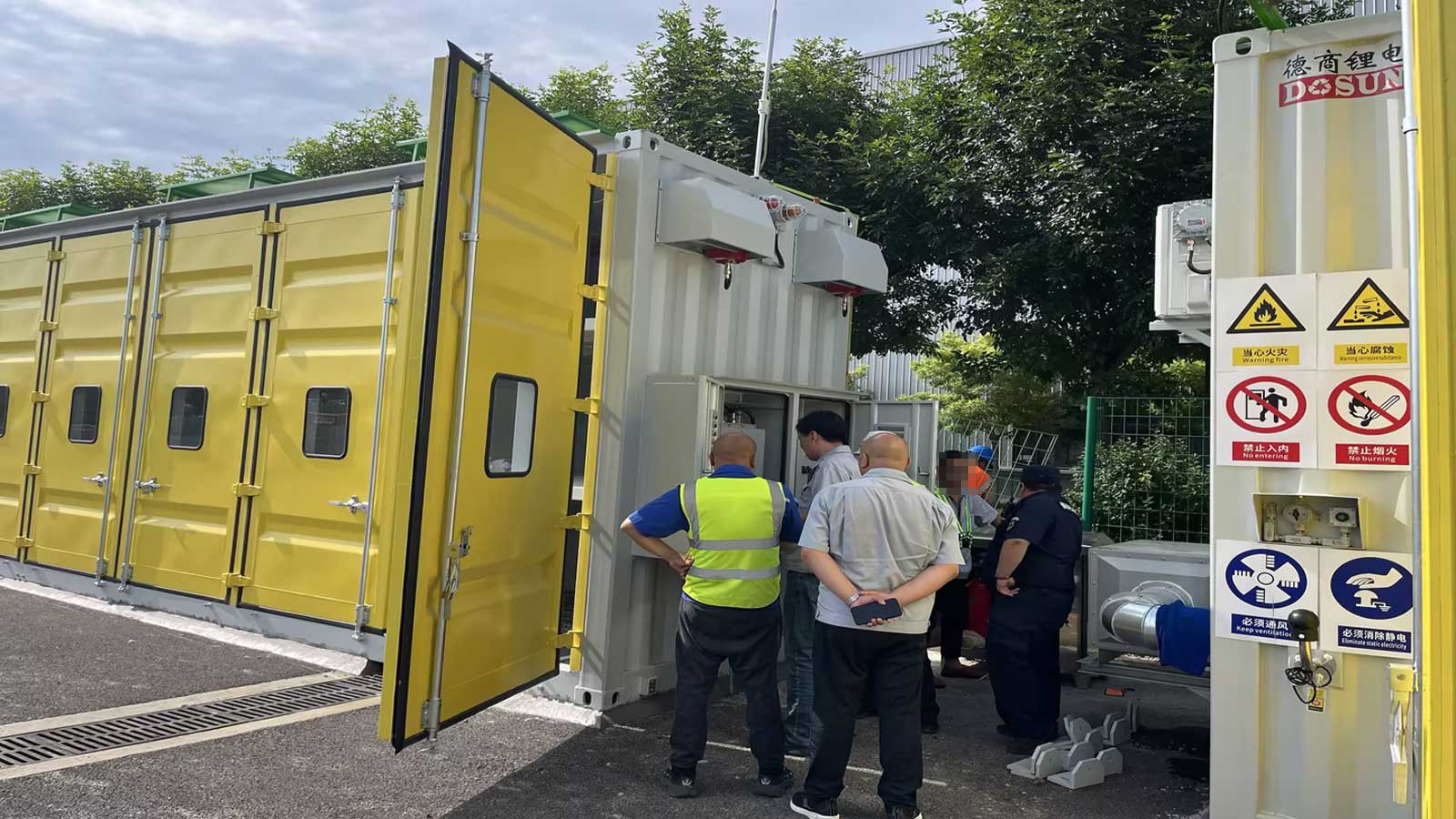
Conclusion: The Storage Link Requires Implementable Compliance Tools
From production roll-off and testing to recycling handover, temporary storage and turnover are indispensable connecting links in the battery lifecycle. Compliance requirements have been clearly defined, and risks will not disappear simply because the storage is "temporary". The value of intelligent battery storage cabinets lies in integrating fire and explosion protection, short circuit prevention, temperature control, leakage prevention, waste gas treatment and digital monitoring into deployable storage units, providing an equipment option that balances safety, environmental protection and management for the storage of finished, waste and test-pending batteries. Standardized storage ultimately relies on implementable, inspectable and traceable facilities.
 New
- 1 The Dilemma of Small-Batch, Multi-Variety Hazardous Chemicals in Hospitals: Two Sets of Outdoor Hazardous Chemical Cabinets Unlock the Compliance Deadlock 2026-11-04
- 2 Multi-scenario Storage for Finished, Waste and Test-Pending Batteries: How Intelligent Specialized Cabinets Balance Safety, Compliance and Environmental Protection 2026-10-28
- 3 How to Select Outdoor Hazardous Chemical Storage Cabinets? Five Key Dimensions to Avoid Fatal Selection Pitfalls 2026-10-21
- 4 Intelligent Cloud-Based Hazardous Waste Warehouse Put into Operation at Lu'an Oil Depot of Anhui Petroleum: A New Compliant Temporary Storage Option for the Petroleum and Petrochemical Industry 2026-10-14
- 5 How to Implement the "Six Musts" for Hazardous Chemicals in Industrial and Commercial Enterprises? DeSUN ECOTECH Storage Cabinets Deliver the Answer 2026-09-23
 Hot
- 1 Intelligent Environmental Protection: What Makes a Good Hazardous Waste Temporary Storage Cabinet? DeSUN ECOTECH Provides the Answer 2026-04-15
- 2 Hazardous Waste and General Solid Waste: Comprehensive Analysis of Identification Standards, Treatment Methods and DeSUN ECOTECH Solutions 2026-04-09
- 3 DeSUN ECOTECH Flammable Liquid Safety Storage Cabinet Passes SGS 90-Minute Fire Test and Earns Type 90 Certification 2026-08-19
- 4 DeSUN ECOTECH Intelligent Battery Storage Cabinets Enter German Market; One-Stop Delivery Reinforces Battery Safety Defense 2026-09-09
- 5 Hazardous Chemicals and Hazardous Waste Temporary Storage Cabinets: How to Choose the Right "Safety Steward"? A Comprehensive Guide to Differences and Selection 2026-04-22



- About Us Company Profile Corporate Culture Corporate Awards
- Solutions Hazardous Waste Storage Solutions Hazardous Chemical Storage Solutions Gas Cylinder Storage Solutions Battery Storage, Transfer, and Charging Solutions Intelligent Transfer Solutions
- Products Hazardous Waste Storage Cabinets Hazardous Chemical Storage Cabinets Intelligent Gas Cylinder Storage Cabinets Intelligent Battery Storage Cabinets Intelligent Transfer Containers More Products
-
Customer Cases
By Product
Category - News Corporate News Industry News
- Contact Us Contact Us
 沪公网安备31011402021669号
-
 Online Message


- Online Message