

 CN



Chemical and energy sites are often constrained by space conditions. When indoor spaces cannot meet isolation requirements, some hazardous chemicals have to be stored outdoors. Outdoor storage is far more than simply moving storage cabinets into the open air. Sunlight drives up the internal temperature of cabinets, rain accelerates cabinet corrosion, and volatile gases are difficult to discharge effectively. If the model selection deviates from working conditions and specifications, storage cabinets will turn from safety barriers into risk points.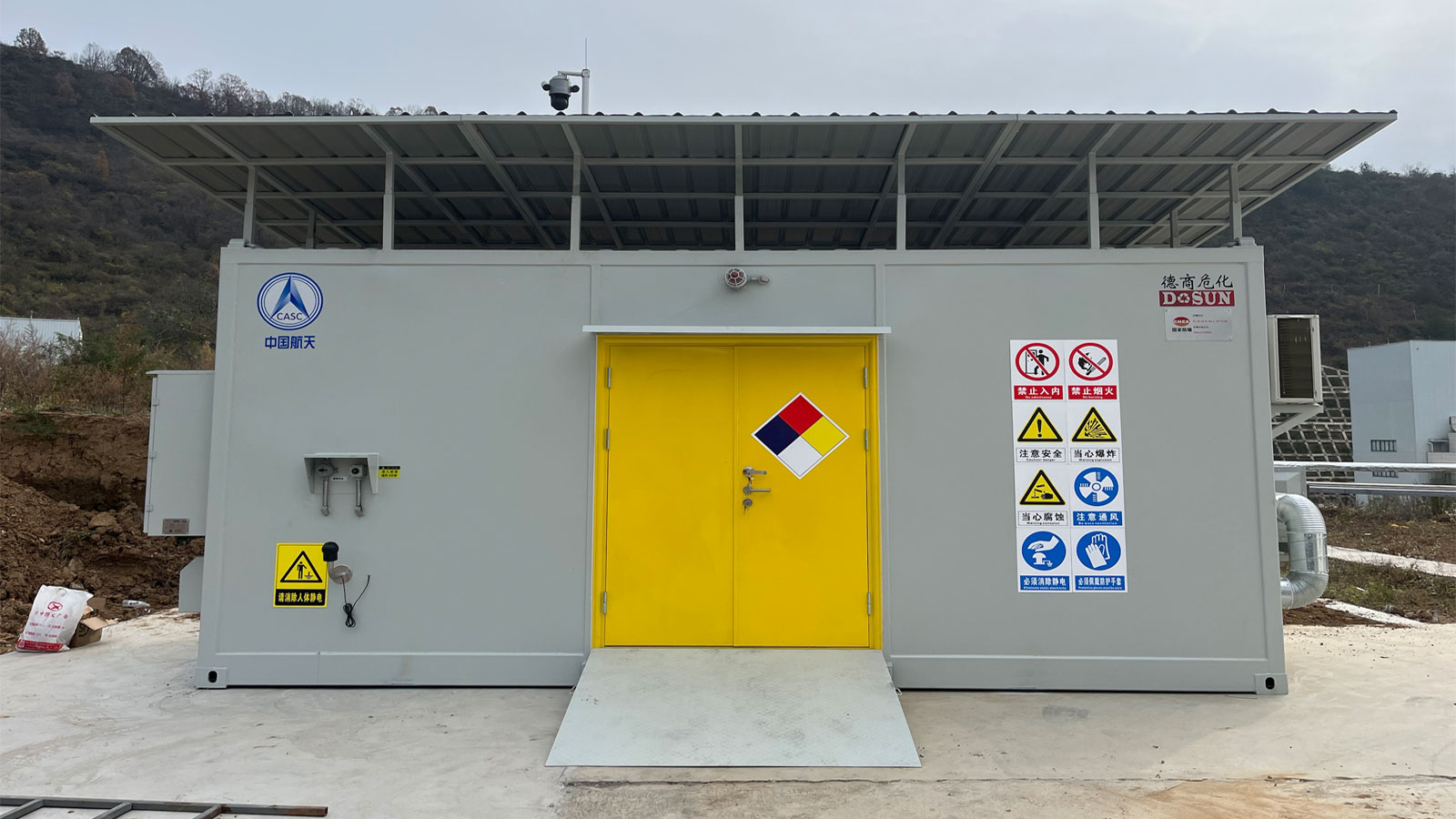
Therefore, model selection must be based on chemical properties, climatic conditions and regulatory requirements, rather than merely comparing prices. The following content elaborates on five dimensions, followed by acceptance inspection and maintenance.
1. Fire Resistance Rating: Determine the Grade Based on Flash Point First
When selecting models, prioritize fire resistance rating over price quotes. Fire protection capability is defined by specific duration. EN 14470-1 is a widely adopted standard, which classifies storage cabinets into three grades: Type 30, Type 60 and Type 90. Under the test condition of continuous combustion at 945℃, the internal temperature of the cabinet must not reach a hazardous level. Domestic requirements for outdoor storage cabinets are stricter. The guidelines of Tianjin Port impose even stricter requirements, stipulating a fire resistance duration of no less than 90 minutes. For chemicals with a flash point below 0℃ such as ethanol, methanol and ethyl ether, Type 90 cabinets should be given priority. For medium-flash-point liquids, Type 60 is optional. Check the flash point in the MSDS first, and then determine the fire resistance rating.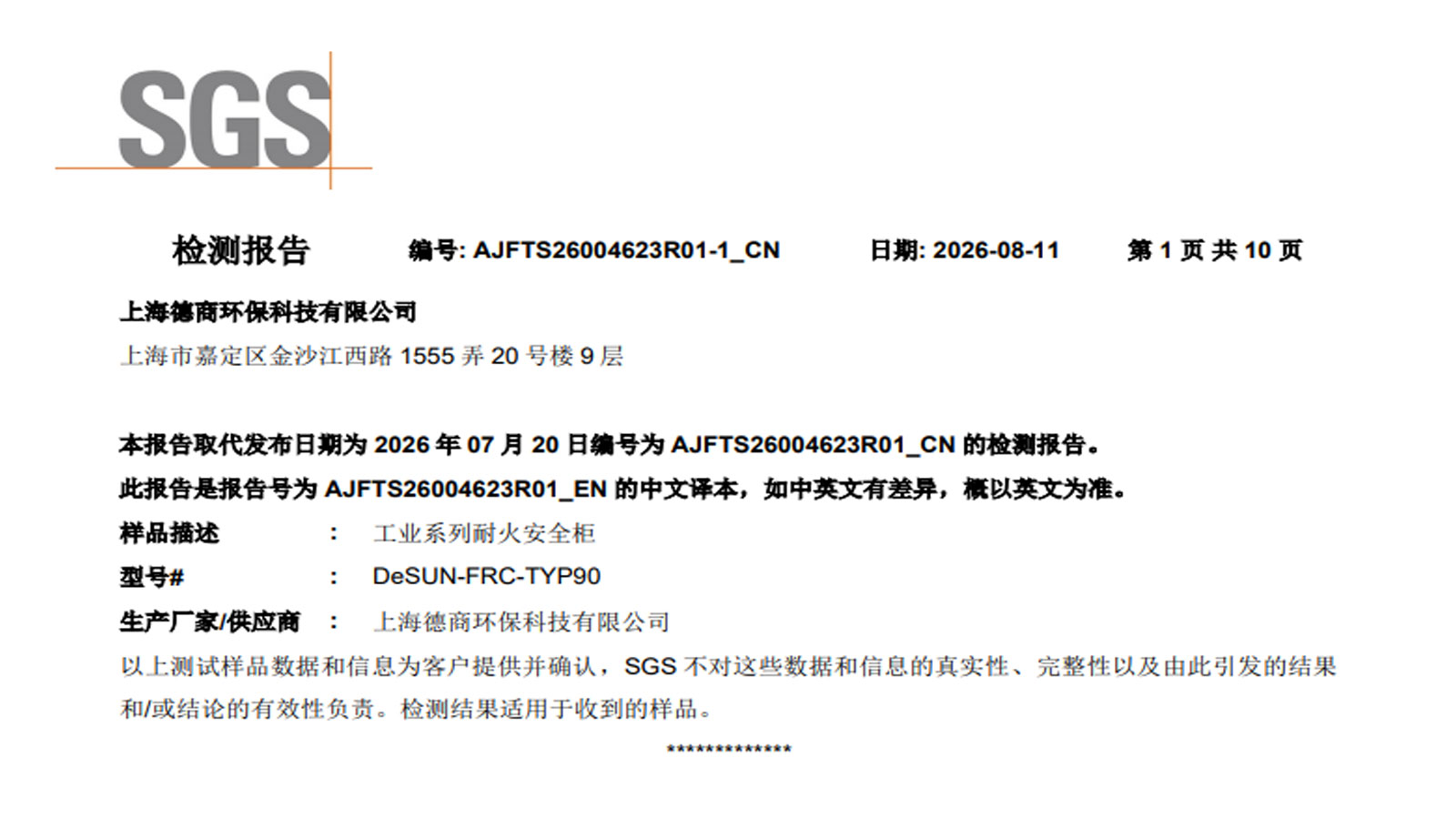
2. Material and Structure: Climate Determines Material Selection
Material selection depends on climatic conditions. The north has more rainfall while the south is hot and humid, so material selection cannot be generalized. Galvanized steel sheets with plastic spraying are applicable, while stainless steel offers better corrosion resistance. The top cover should be designed with a slope or eaves, and joints shall be fitted with sealing strips. The coating shall be UV-resistant to avoid chalking after long-term sun exposure. Door locks shall be equipped with protective covers. Outdoor lock cylinders are highly vulnerable to wind and rain, and jamming after several months is not uncommon. Failure to open in emergencies will lead to severe consequences.
3. Ventilation and Temperature Control: Do Not Rely on Natural Heat Dissipation
Ventilation cannot rely on random natural conditions. The cabinet interior is a closed small environment. In summer, the temperature inside the cabinet rises significantly, and low-boiling-point solvents volatilize faster. When gas accumulates to the explosion limit, a single electrostatic spark can ignite it. The ventilation system shall adopt an explosion-proof structure. For scenarios with low-flash-point chemicals, mechanical ventilation can be added, and activated carbon filtration shall be configured simultaneously. Exhaust air adsorbs organic vapors, which not only prevents accumulation but also avoids pollution from direct discharge. Temperature control serves as an active defense line. Explosion-proof air conditioners are not for comfort; they maintain the cabinet temperature within a safe range, commonly set at 3℃ to 28℃. High temperature will increase vapor pressure and the internal pressure of packaging containers. Temperature and humidity sensors shall be linked with alarms, and combustible gas alarms shall also be connected. Monitoring must be followed by responsive actions.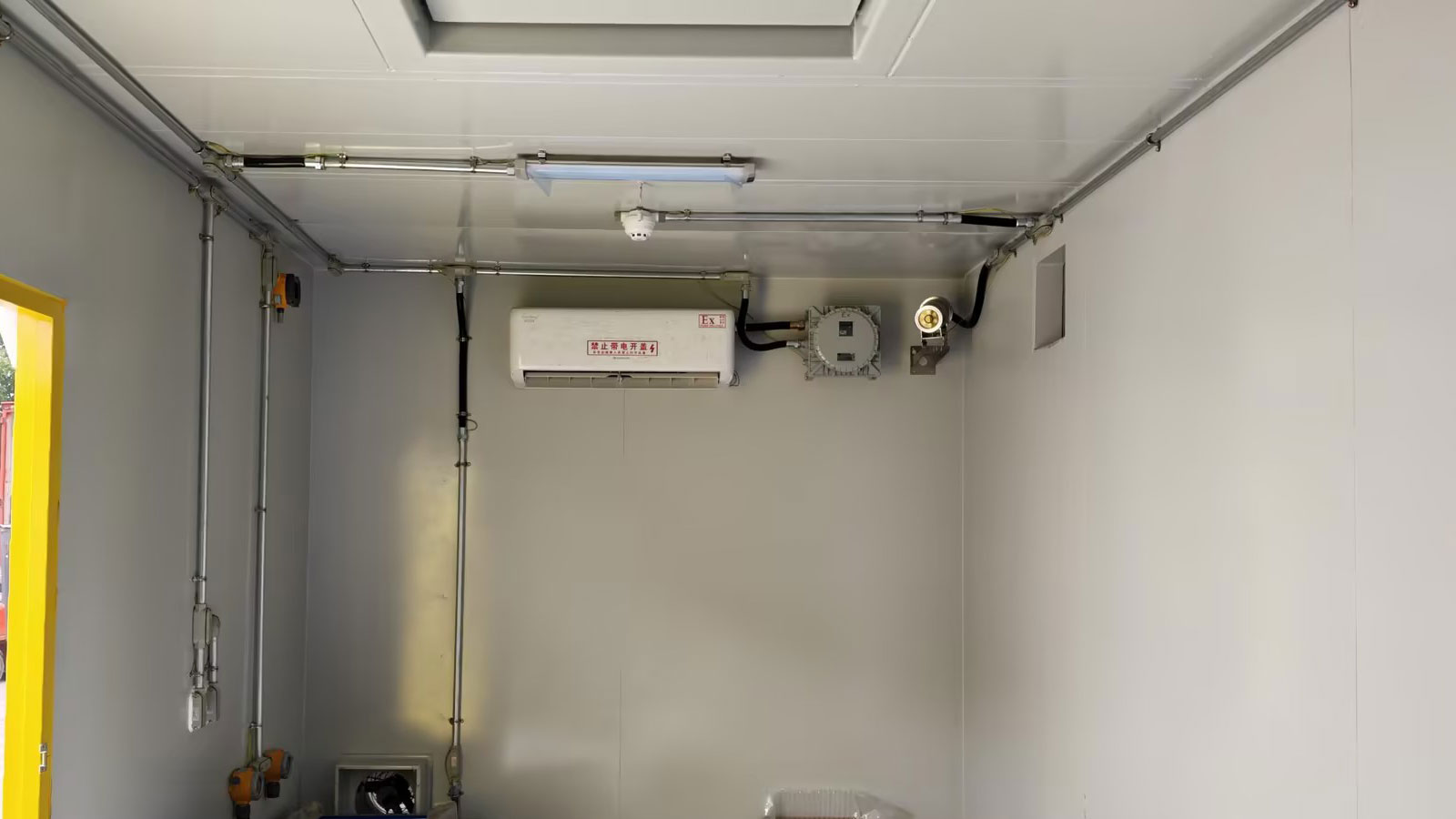
4. Leakage Prevention and Static Dissipation: Basic Mandatory Configurations
Leakage prevention and static dissipation are fundamental requirements. The capacity of the liquid leakage collection sump has a mandatory indicator, which shall be no less than 10% of the total liquid volume. In case of container damage, all leaked liquid shall be retained. Liquid must not be allowed to seep into the soil or flow into the rainwater pipe network. Storage cabinets shall be equipped with dedicated grounding bolts, and the grounding wire must be reliably connected. Grounding resistance shall comply with specifications, and some scenarios require it to be no more than 10Ω. It is very difficult to retrofit these two configurations afterwards if they are missing initially.
5. Storage Compatibility and Site Selection: Group First, Then Locate
Storage compatibility and site selection are often overlooked. Appendix A of GB 15603 and MSDS compatibility shall be checked. Oxidizing agents shall not be stored in the same cabinet with flammable substances, and acids and alkalis must be separated. Water-reactive flammable substances shall be kept away from water-containing materials. Outdoor storage cabinets shall be no less than 15 meters away from buildings and no less than 30 meters away from open flames or spark sources. Do not place them in low-lying waterlogged areas, and do not occupy fire-fighting passages. Before procurement, make a list of chemicals first, and then group them by compatibility. Then evaluate site conditions to determine the number of equipment, as well as the fire resistance rating and materials. Only in this way can model selection be well-founded. Storage cabinets are not ordinary boxes; they are safety barriers during unattended operation.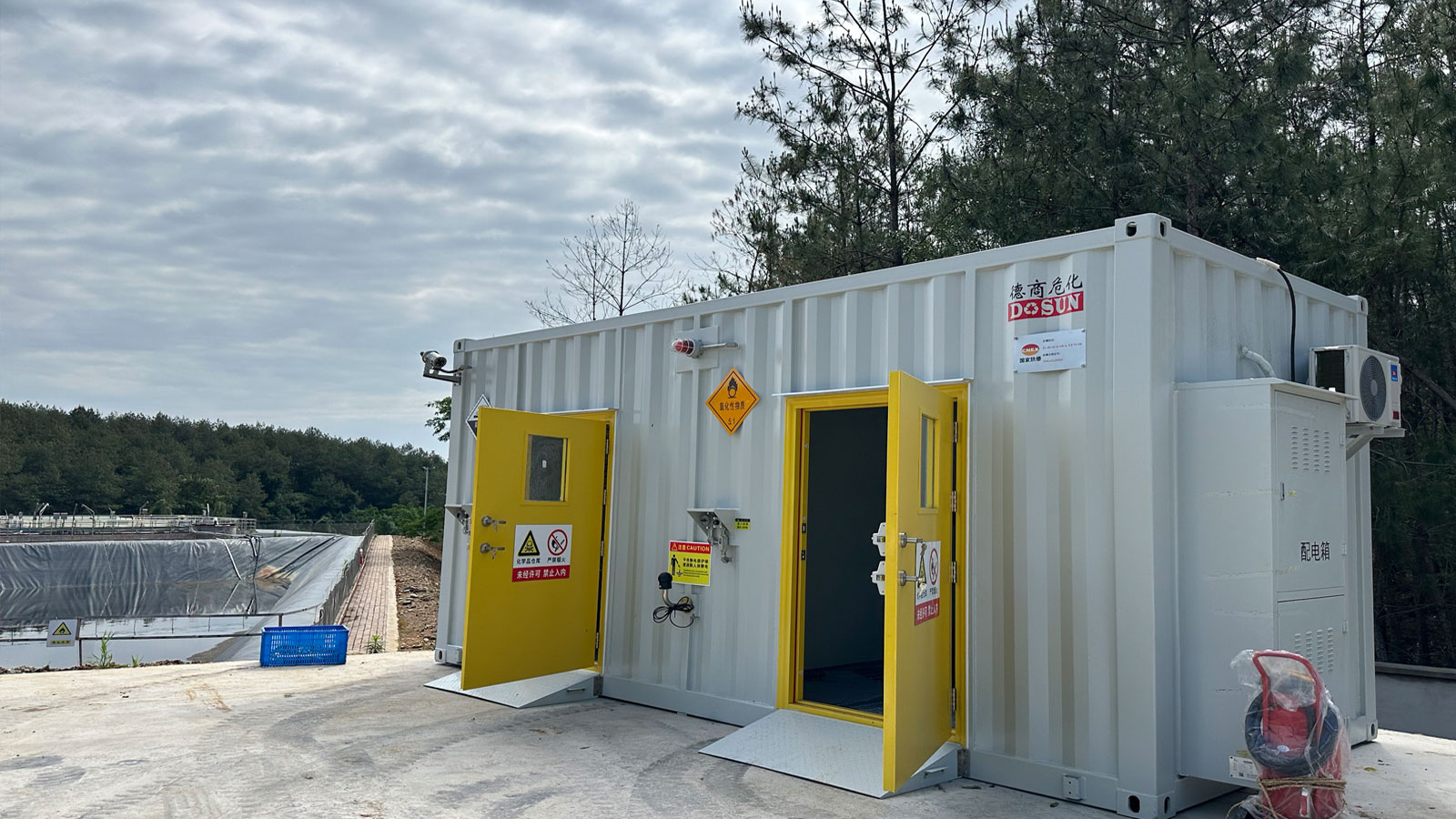
After Model Selection: Keep a Tight Grip on Acceptance Inspection and Maintenance
Detailed inspection shall be conducted upon delivery. Cabinet welds shall be continuous full welds, and sealing strips shall fit tightly without gaps. The capacity of the leakage collection sump shall be measured on site. Ventilation openings shall be equipped with rain-proof louvers, explosion-proof fans shall bear certification marks, and grounding terminals shall not be covered by paint. Linkage tests shall be performed for alarms. Door locks shall open and close smoothly and reliably, and instruction manuals and qualification certificates shall be kept on file.
Outdoor storage cabinets require regular maintenance. Check for liquid accumulation inside the cabinet monthly, and clean dust from ventilation openings quarterly. Test grounding resistance annually. Replace aging sealing strips in a timely manner, touch up rust-proof coating on damaged areas, calibrate alarms on schedule, and file maintenance records.
Model selection determines the baseline of safety, while maintenance determines its upper limit. Only when both are properly implemented can storage cabinets be truly reliable.
 New
- 1 How to Select Outdoor Hazardous Chemical Storage Cabinets? Five Key Dimensions to Avoid Fatal Selection Pitfalls 2026-10-21
- 2 Intelligent Cloud-Based Hazardous Waste Warehouse Put into Operation at Lu'an Oil Depot of Anhui Petroleum: A New Compliant Temporary Storage Option for the Petroleum and Petrochemical Industry 2026-10-14
- 3 How to Implement the "Six Musts" for Hazardous Chemicals in Industrial and Commercial Enterprises? DeSUN ECOTECH Storage Cabinets Deliver the Answer 2026-09-23
- 4 Choosing the Right Hazardous Waste Temporary Storage Cabinet Is Only the First Step; Poor Daily Management Still Fails Environmental Protection Inspections 2026-09-16
- 5 DeSUN ECOTECH Intelligent Battery Storage Cabinets Enter German Market; One-Stop Delivery Reinforces Battery Safety Defense 2026-09-09
 Hot
- 1 Intelligent Environmental Protection: What Makes a Good Hazardous Waste Temporary Storage Cabinet? DeSUN ECOTECH Provides the Answer 2026-04-15
- 2 Hazardous Waste and General Solid Waste: Comprehensive Analysis of Identification Standards, Treatment Methods and DeSUN ECOTECH Solutions 2026-04-09
- 3 DeSUN ECOTECH Flammable Liquid Safety Storage Cabinet Passes SGS 90-Minute Fire Test and Earns Type 90 Certification 2026-08-19
- 4 Hazardous Chemicals and Hazardous Waste Temporary Storage Cabinets: How to Choose the Right "Safety Steward"? A Comprehensive Guide to Differences and Selection 2026-04-22
- 5 Shanghai DeSUN ECOTECH CO., Ltd – Selected as a 2025 Shanghai "Specialized, Refined, Differential and Innovative (SRDI)" Small and Medium-sized Enterprise 2025-09-04



- About Us Company Profile Corporate Culture Corporate Awards
- Solutions Hazardous Waste Storage Solutions Hazardous Chemical Storage Solutions Gas Cylinder Storage Solutions Battery Storage, Transfer, and Charging Solutions Intelligent Transfer Solutions
- Products Hazardous Waste Storage Cabinets Hazardous Chemical Storage Cabinets Intelligent Gas Cylinder Storage Cabinets Intelligent Battery Storage Cabinets Intelligent Transfer Containers More Products
-
Customer Cases
By Product
Category - News Corporate News Industry News
- Contact Us Contact Us
 沪公网安备31011402021669号
-
 Online Message


- Online Message