

 CN
CN


Temporary storage of hazardous waste is a key focus area in environmental protection inspections. Many enterprises only attach importance to end-of-pipe disposal but take temporary storage lightly. Problems such as leakage, mixed storage and missing ledgers, once identified, will result in rectification requirements at best and penalties at worst. According to industry reports, the annual output of industrial hazardous waste in China reaches approximately 420 million tons. Environmental cases caused by non-compliant storage account for 31.7% of all hazardous waste-related cases. This figure reminds enterprises that selecting the right temporary storage cabinet is only the first step. Without sound daily management, compliance inspections will still be hard to pass.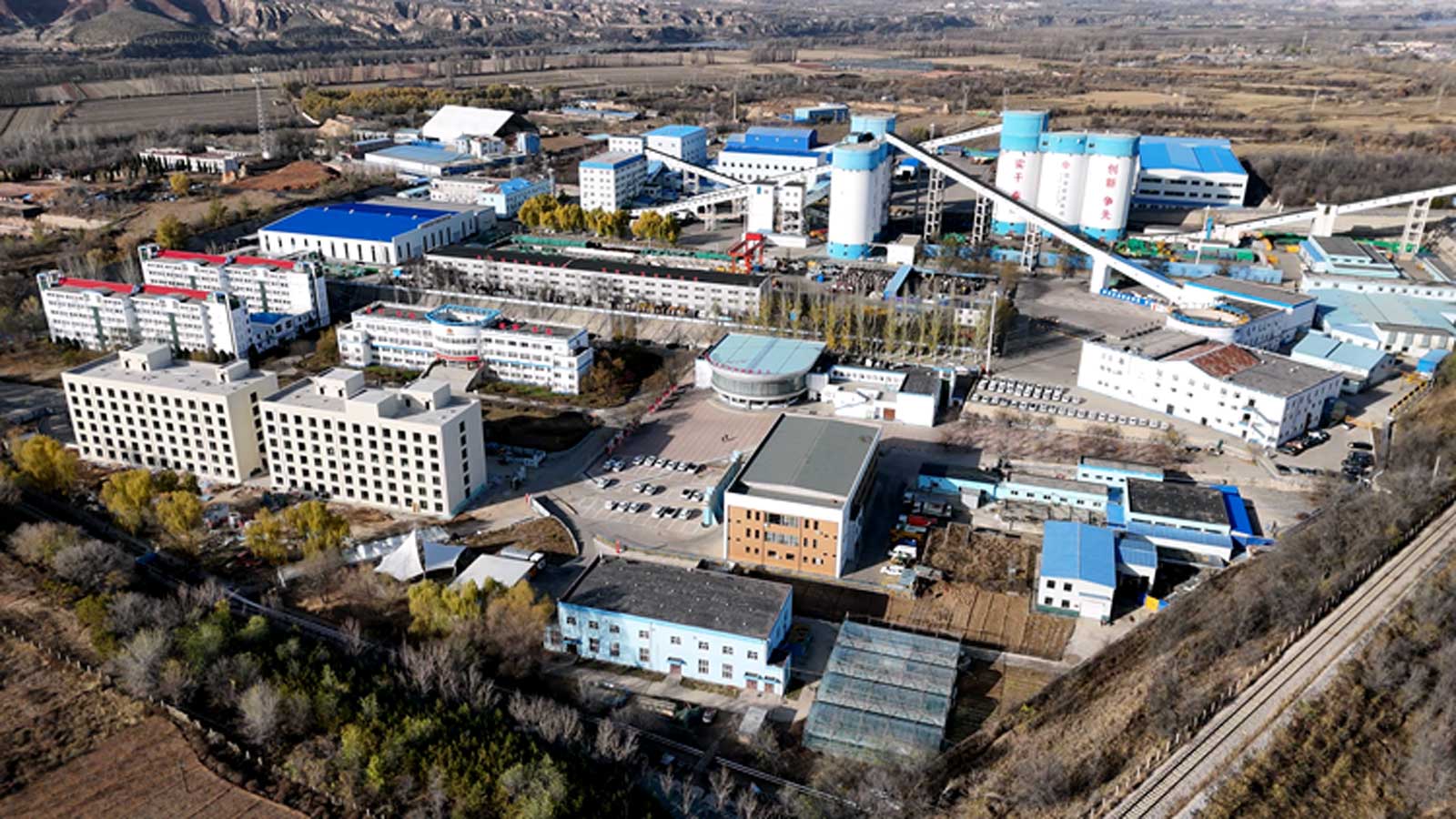
1. Risks in the Temporary Storage Link Are More Concentrated Than Imagined
Waste-generating enterprises tend to prioritize waste transit over temporary storage. Daily waste comes in diverse categories with widely different chemical properties. Random piling in the same area can easily trigger chemical reactions. Self-built hazardous waste rooms often suffer from many problems: damaged anti-seepage layers, insufficient ventilation and incomplete ledgers. Poorly planned temporary storage zones with overstacked materials, and emergency supplies placed too far away for rapid response in case of leakage, are also common issues. Small and medium-sized factories often lack forward planning and rush to make renovations only when environmental inspections are approaching. These problems are not isolated cases; they are becoming a major source of penalties.
2. Hardware Compliance Is the Bottom Line; Storage Cabinets Must Meet Standards
Traditional hazardous waste rooms involve long approval cycles and high investment. Hazardous waste temporary storage cabinets, which are movable and customizable, are more suitable for small and medium-sized waste-generating enterprises. Three core indicators must be considered when selecting cabinets:
- Seepage prevention: The cabinet bottom shall be equipped with an integrally molded leak-proof tray with a volume of no less than 110% of the capacity of the largest single container.
- Ventilation: Forced ventilation shall be provided at a rate of no less than 6 air changes per hour, and the combustible gas alarm shall be interlocked with the exhaust system.
- Material: The cabinet shall adopt double-layer cold-rolled steel plates filled with fireproof rock wool, with a fire resistance rating of no less than 1 hour.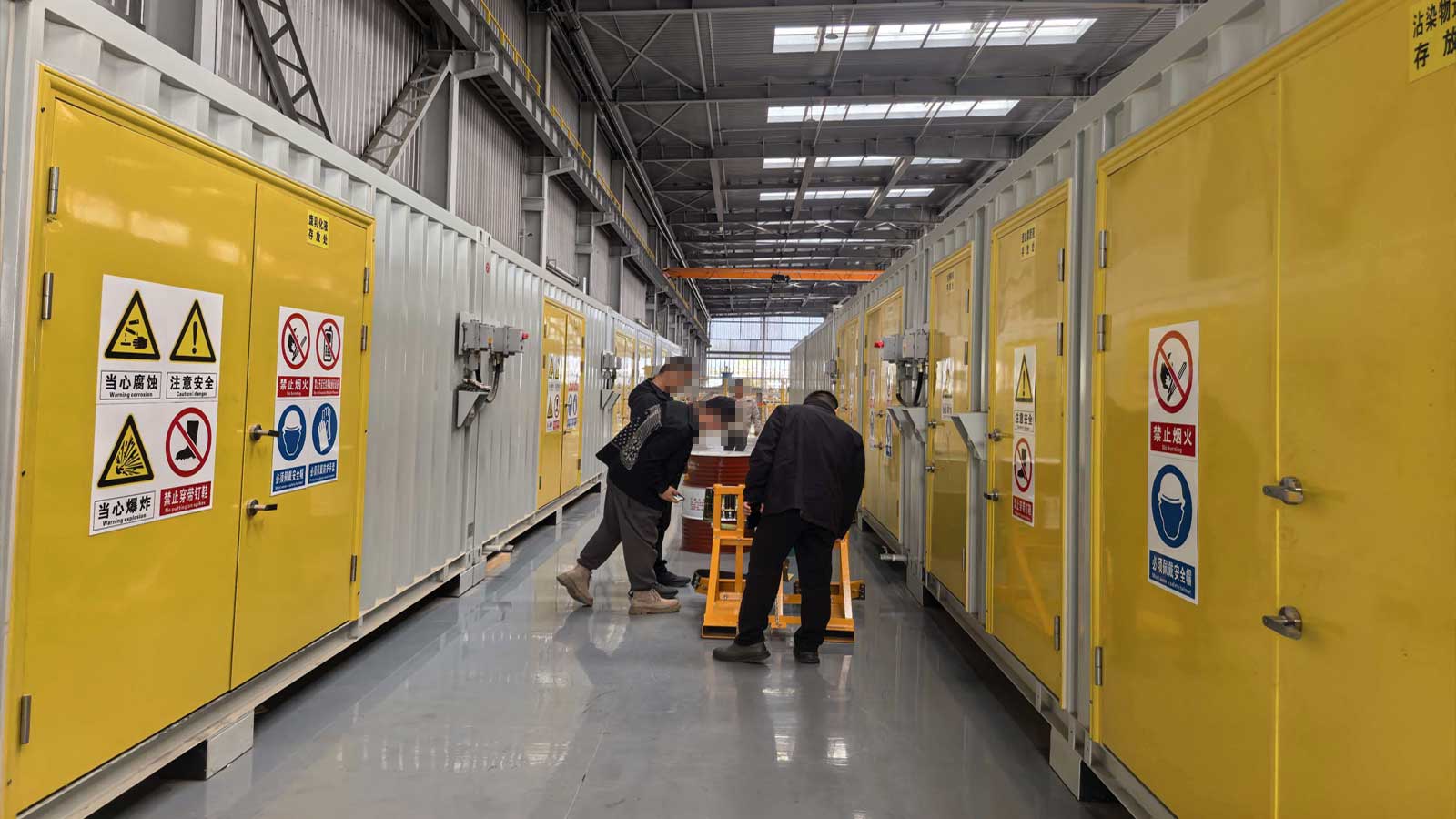
3. Installing Cabinets Without Proper Management Is a Waste of Effort
Common on-site problems lie not in hardware, but in process and detail control. Missing zone identification, insufficient employee awareness, vague requirements for incompatible waste isolation, and perfunctory daily inspections are widespread issues. Management should focus on three key points:
- Classified and zoned storage: In principle, each cabinet shall hold only one category of hazardous waste; acids and alkalis shall not be mixed, and oxidizers shall be isolated from reducing agents.
- Closed-loop ledger management: Full-process records of warehousing, storage and outbound delivery shall be kept for no less than five years.
- Personnel training: Employees shall be clear about which wastes cannot be stored together, where emergency supplies are located, and the first steps to take in the event of leakage.
Only when hardware and management advance in tandem can risks be reduced.
4. Intelligent Temporary Storage Cabinets Replace Manual Control with Systemic Management
Manual ledgers are prone to omissions and loss, and on-site inspections cannot achieve round-the-clock coverage. Intelligent hazardous waste temporary storage cabinets are changing the situation. They support swipe-card access for waste deposition, automatic weighing, real-time data upload and automatic generation of digital ledgers. When the hazardous waste inventory in the cabinet reaches the upper limit, the platform automatically pushes a collection and transportation work order. Temperature, humidity, VOCs and combustible gases are monitored by sensors. Abnormal conditions trigger automatic alarms, which are interlocked with the exhaust system. The system supports remote access, allowing managers to check the status via mobile phones. This mechanism turns the slogan of traceable sources, trackable destinations and accountable responsibilities into a data-driven chain.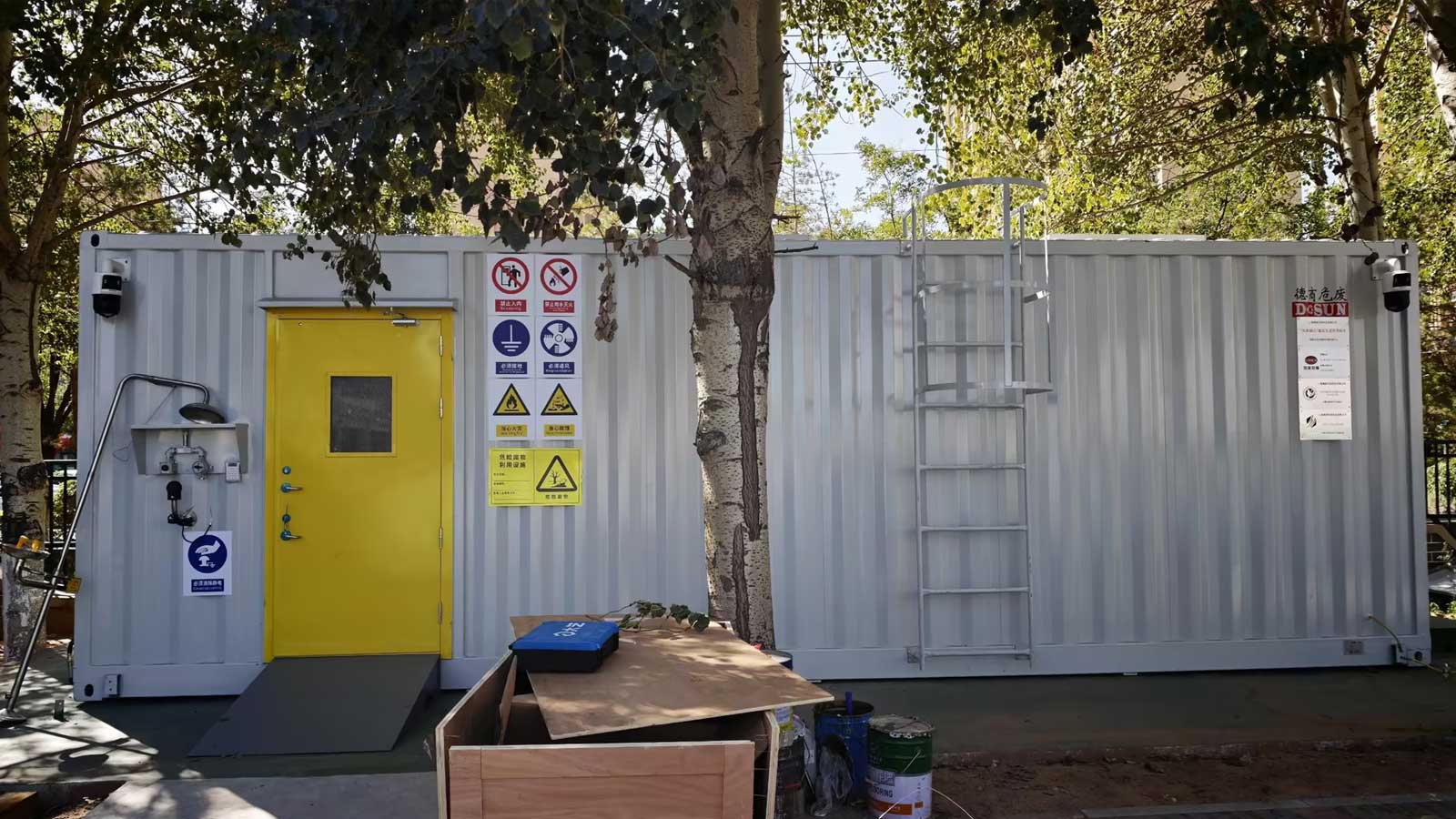
5. Installation Alone Is Not Enough; Daily Operation and Maintenance Determine Long-Term Compliance
Hazardous waste storage management is a long-term task, not a one-time project. Cabinets shall be inspected weekly for corrosion, welds and door seals. Leak-proof trays shall be checked daily for accumulated liquid, and collection drums must not overflow. Ventilation openings and sensors shall be cleaned and calibrated regularly, and alarm functions shall be operational at all times.
Enterprises cannot stop at construction and delivery; subsequent operation and maintenance also require continuous implementation. They shall customize temporary storage cabinet solutions based on their own waste types and generation volume, and support them with corresponding inspection management specifications. By putting daily control in place in advance, enterprises can reduce environmental risks, respond smoothly to environmental supervision, and avoid unnecessary economic losses.
6. Common Deduction Points in Inspections
There are many common deduction points during inspections: unlocked cabinets accessible to unauthorized personnel; incomplete label information with only "waste liquid" marked — labels shall include name, category, code and hazard characteristics; unclear compatibility grouping with acids and alkalis stored in the same cabinet; accumulated liquid in leak-proof trays not cleaned in time; blocked ventilation openings and malfunctioning alarms; discrepancies between ledgers and actual inventory with missing dates or quantities; expired emergency supplies and insufficient absorbent cotton. These details may seem minor, but they directly affect inspection results.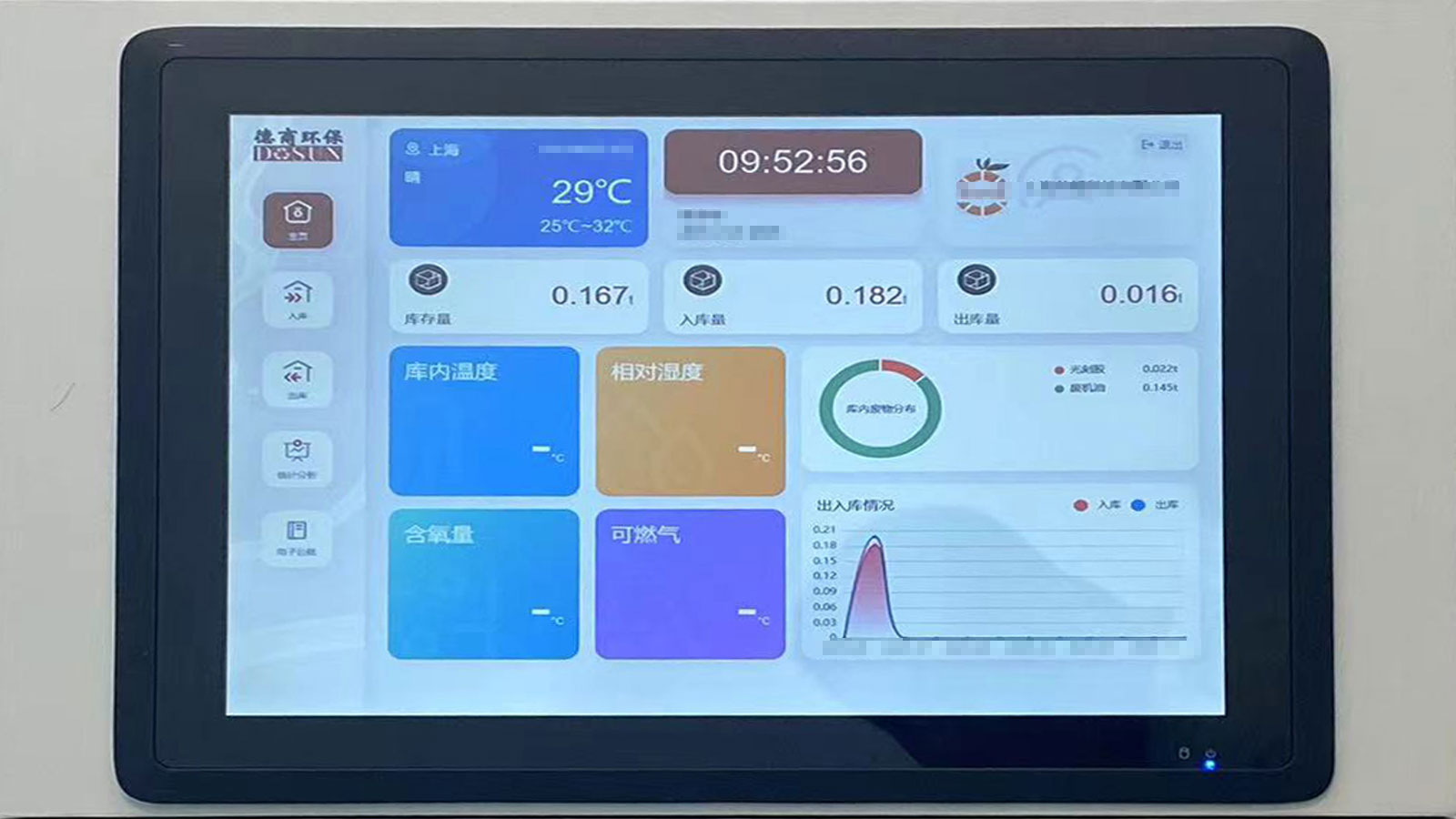
7. Emergency Material Configuration Determines Response Speed After Leakage
Absorbent cotton, oil-absorbent felts and sandbags shall be placed beside temporary storage cabinets, along with chemical protective gloves, goggles and fire extinguishers. Leakage emergency drums shall be placed close to the cabinets and kept unlocked. Signs shall be clear and employees shall be trained to use the equipment. Leakage drills shall be conducted quarterly, with records of drill time, participants and corrective actions. Emergency response capability is not a formality; it is the last line of defense.
8. Proactive Planning Ensures Calm Response to Inspections
Many enterprises mistakenly believe that purchasing cabinets guarantees compliance, but compliance is an ongoing process. Identification, ledgers, training and inspections are all indispensable. Temporary storage cabinets are not all-purpose solutions; they require institutional support and personnel execution.
The earlier enterprises sort out their waste generation lists, define zoning plans and establish inspection mechanisms, the better. The more detailed daily management is, the calmer inspections will be. The lower the environmental risks, the more stable production will be.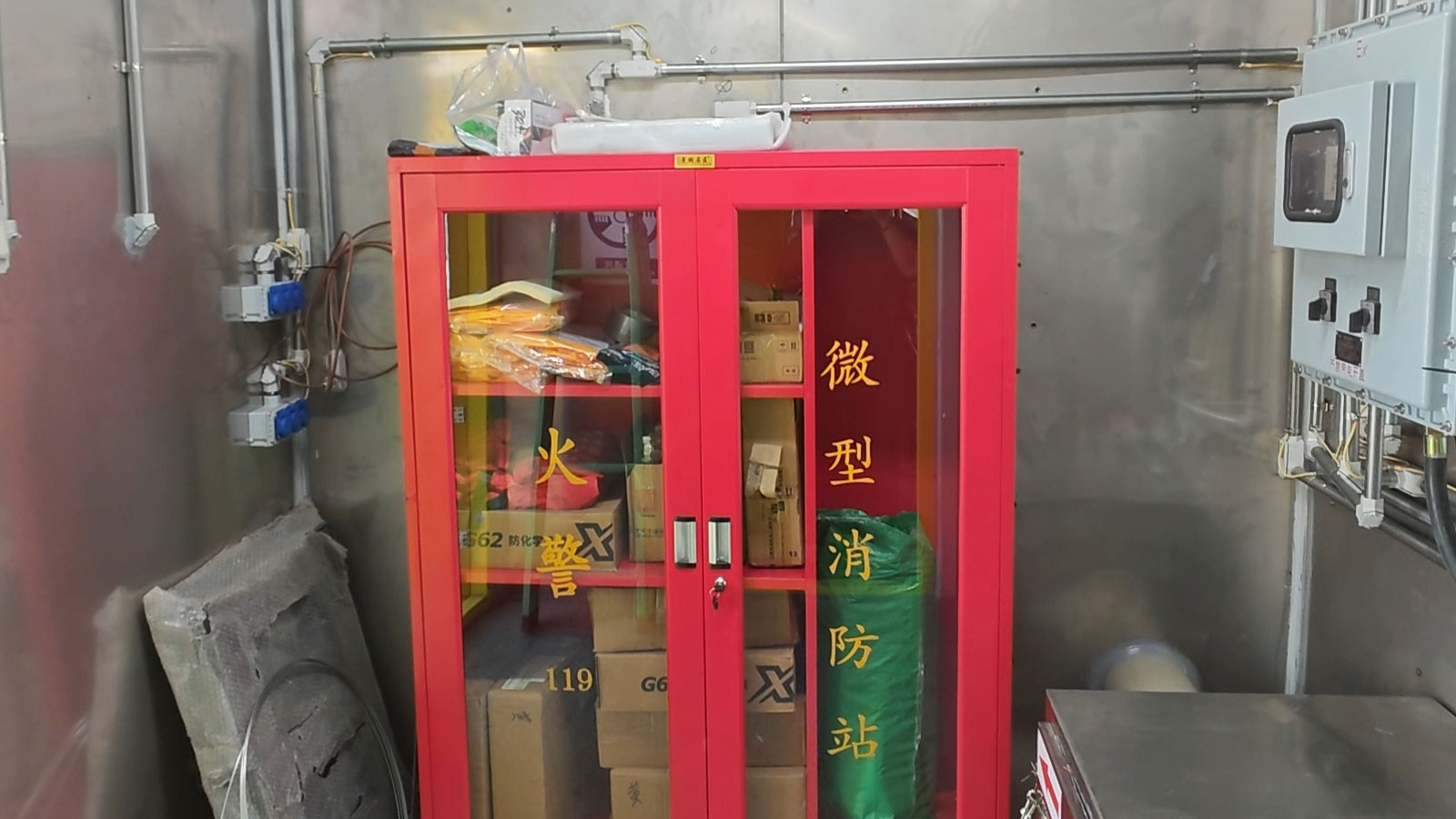
Temporary storage of hazardous waste is not a one-time project. Choosing the right cabinet is the first step, but sound daily management is the key. With proactive planning and continuous control, enterprises can face environmental inspections calmly, pass inspections smoothly, and reduce losses from on-site rectification and production shutdowns.
 New
New
- 1 Choosing the Right Hazardous Waste Temporary Storage Cabinet Is Only the First Step; Poor Daily Management Still Fails Environmental Protection Inspections 2026-09-16
- 2 DeSUN ECOTECH Intelligent Battery Storage Cabinets Enter German Market; One-Stop Delivery Reinforces Battery Safety Defense 2026-09-09
- 3 New Specifications for Gas Cylinder Storage: Analysis of Intelligent Explosion-Proof Solutions for Both Indoor and Outdoor Scenarios 2026-09-02
- 4 30 Sets of Customized Non-Standard Hazardous Waste Containers Exported to Kazakhstan: Why DeSUN ECOTECH Earns Trust? 2026-08-27
- 5 DeSUN ECOTECH Flammable Liquid Safety Storage Cabinet Passes SGS 90-Minute Fire Test and Earns Type 90 Certification 2026-08-19
 Hot
Hot
- 1 Intelligent Environmental Protection: What Makes a Good Hazardous Waste Temporary Storage Cabinet? DeSUN ECOTECH Provides the Answer 2026-04-15
- 2 Hazardous Waste and General Solid Waste: Comprehensive Analysis of Identification Standards, Treatment Methods and DeSUN ECOTECH Solutions 2026-04-09
- 3 Hazardous Chemicals and Hazardous Waste Temporary Storage Cabinets: How to Choose the Right "Safety Steward"? A Comprehensive Guide to Differences and Selection 2026-04-22
- 4 Shanghai DeSUN ECOTECH CO., Ltd – Selected as a 2025 Shanghai "Specialized, Refined, Differential and Innovative (SRDI)" Small and Medium-sized Enterprise 2025-09-04
- 5 Safety Standards for Outdoor Gas Cylinder Cabinets: Multi-dimensional Environmental Protection to Build a Strong Defense Line for Outdoor Storage Safety 2026-02-26



- About Us Company Profile Corporate Culture Corporate Awards
- Solutions Hazardous Waste Storage Solutions Hazardous Chemical Storage Solutions Gas Cylinder Storage Solutions Battery Storage, Transfer, and Charging Solutions Intelligent Transfer Solutions
- Products Hazardous Waste Storage Cabinets Hazardous Chemical Storage Cabinets Intelligent Gas Cylinder Storage Cabinets Intelligent Battery Storage Cabinets Intelligent Transfer Containers More Products
-
Customer Cases
By Product
Category - News Corporate News Industry News
- Contact Us Contact Us
 沪公网安备31011402021669号
-
 Online Message


- Online Message