

 CN



Before a used battery enters into the disposal line, the most dangerous is often not the moment of dismantling, but the moment of temporary storage, transit and pending for treatment. Abnormal temperature, smoke accumulation, or release of toxic and harmful gases — any single uncontrolled hazard can turn an ordinary storage space into an accident scene.
Willersinn Group from Germany tried to find a solution that both meets safety requirements and stays cost-effective in the European market, so it presented its actual demand and safety objectives to DeSUN. DeSUN took then the charge of R&D, design and manufacturing, delivering, i.e. the full process from schematic design and production to sea freight delivery. Tailored to the client’s application scenarios and covering product definition and design, manufacturing, installation and commissioning, as well as sea freight delivery, this cross-border customized solution has finally evolved into the WiSP battery safety storage solution featuring real-time monitoring, fire suppression capability and compliant transportability.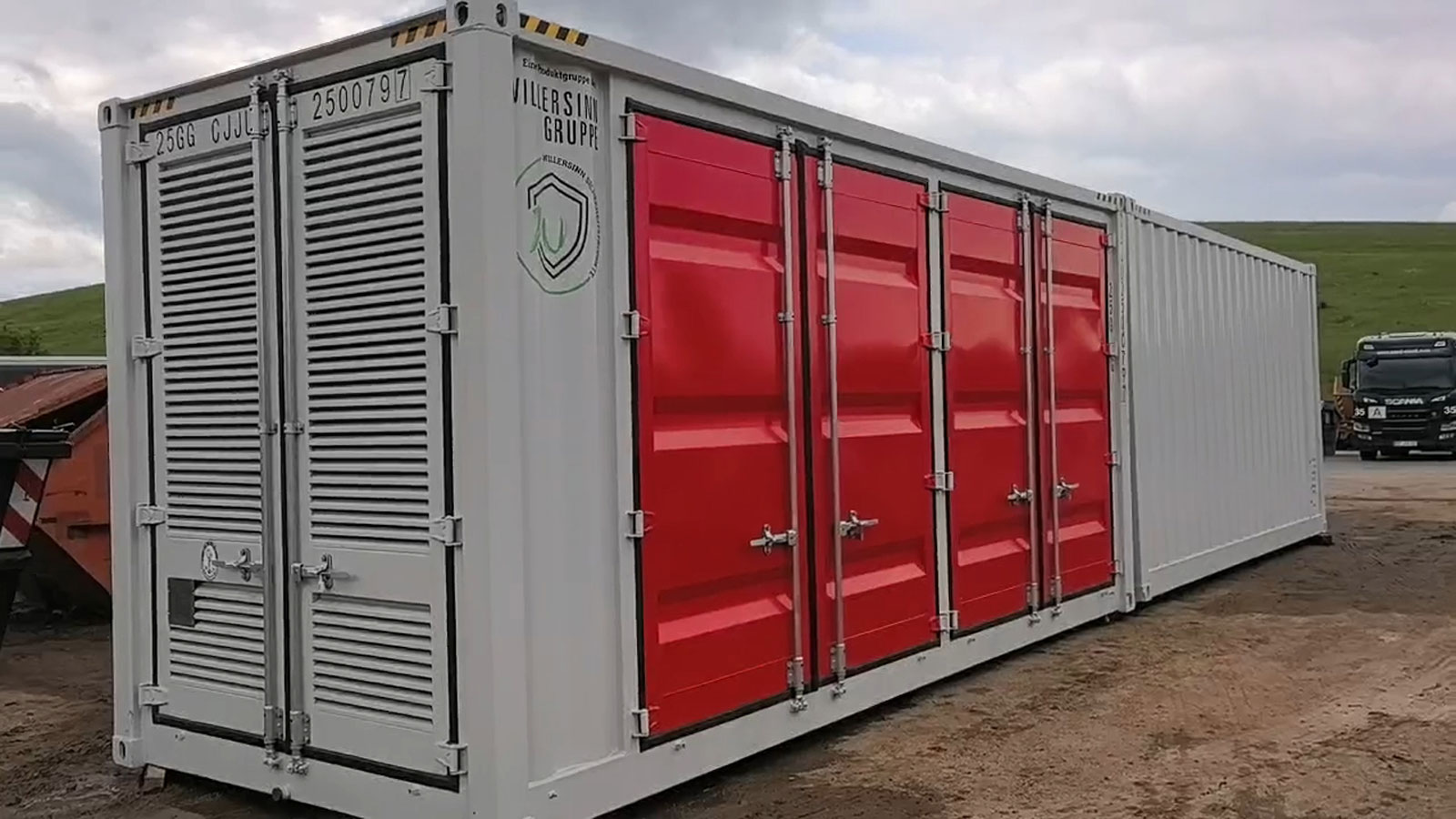
1. Market Gap: Standard Containers Fail to Match Battery Risks
The story begins with a bidding project for waste battery disassembly and dismantling. About three years ago, Willersinn participated in and won the bid, and then began to source suitable storage containers. Christian Landvogt, a member of the Willersinn Group management, recalled: “The existing systems on the market either fail to meet application requirements or are extremely expensive.”
Willersinn is well aware that disposal enterprises cannot always obtain complete information about waste materials and their potential risks in advance. As a disposal enterprise at the end of the industrial chain, it has to bear all kinds of risks posed by battery cells. Therefore, instead of relying on standard off-the-shelf products, Willersinn put forward clear customized development requirements: the containers must be designed around the risk of battery thermal runaway, rather than merely meeting the basic requirement of “holding the batteries inside”.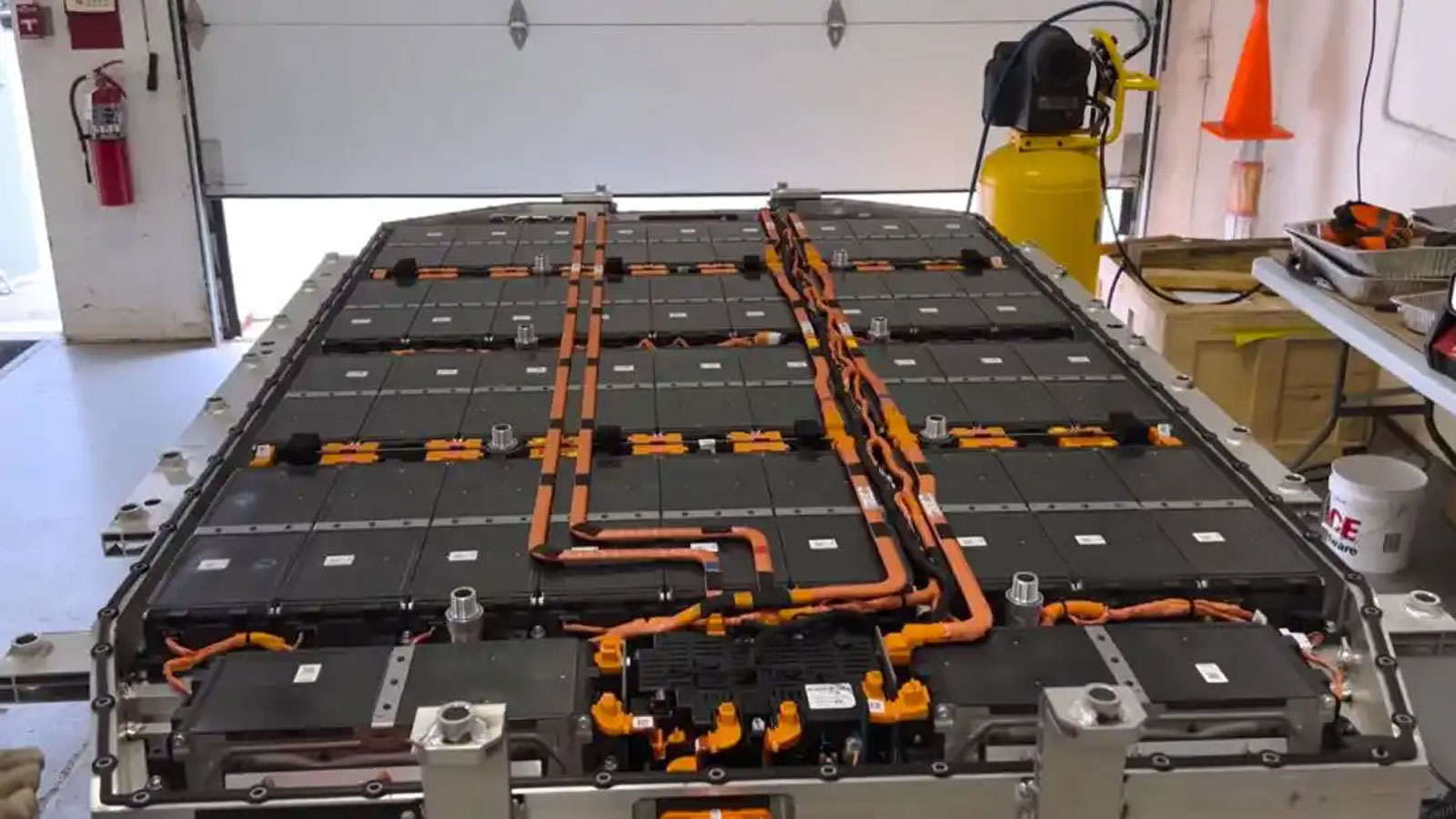
2. Demand Implementation: DeSUN Undertakes R&D, Design and Manufacturing
DeSUN took on the task of delivering this demand. Different from the mode where disposal enterprises conduct R&D on their own, Willersinn is responsible for defining requirements, safety objectives and application scenarios, while DeSUN undertakes product R&D and design, manufacturing, installation and commissioning, as well as cross-border delivery. The final product portfolio includes equipment such as dedicated discharge workbenches and storage containers, sold under the WiSP brand.
In other words, Willersinn provides demand insights from the end of the industrial chain, while DeSUN delivers end-to-end engineering capabilities from drawings to finished products, and from Chinese manufacturing to sea freight delivery. This division of responsibilities turns safety objectives from written requirements into producible, testable and deliverable physical equipment.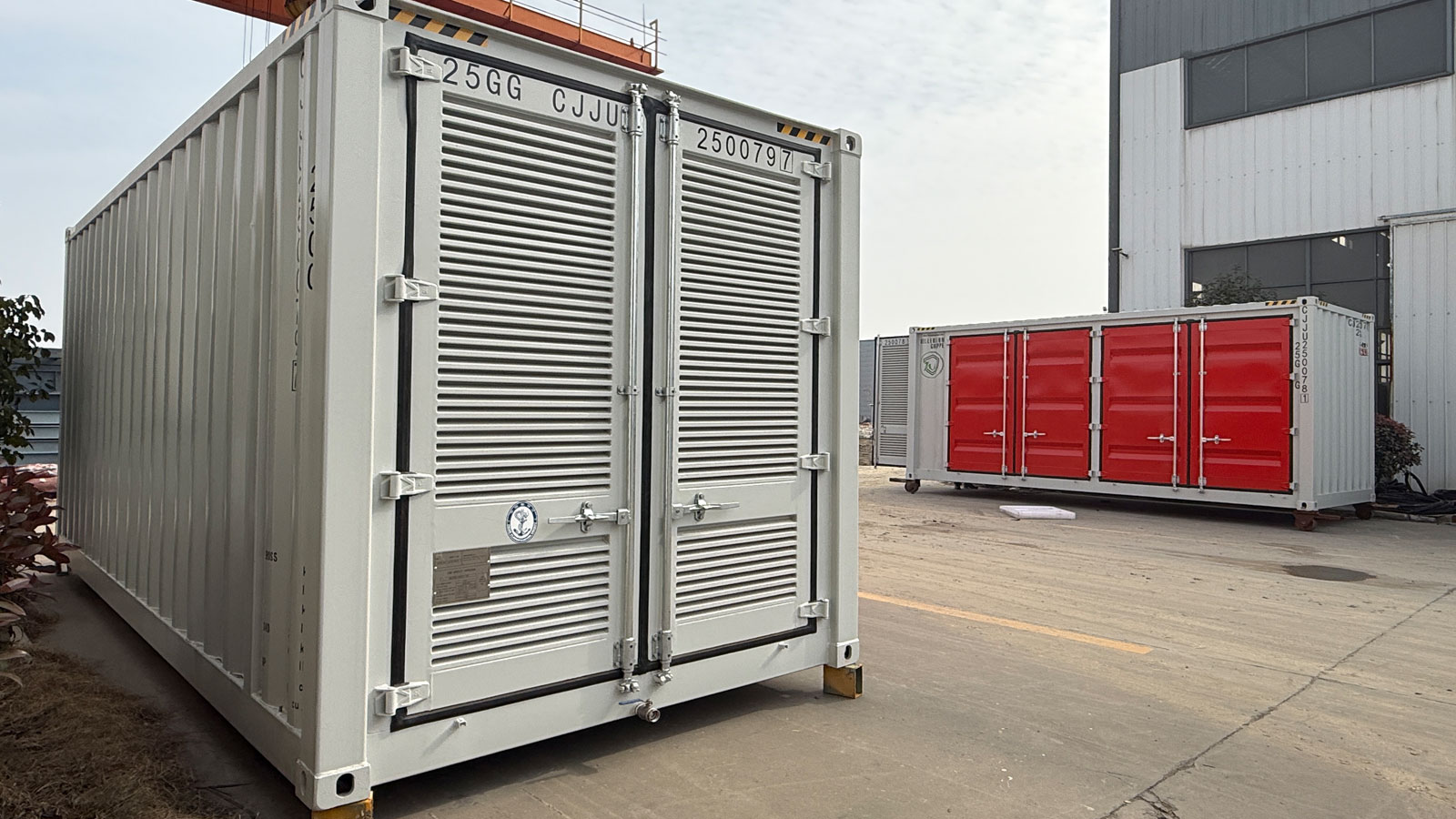
3. Storage Containers: A Closed Loop of Monitoring, Early Warning and Suppression
The WiSP storage containers custom-developed and manufactured by DeSUN for Willersinn integrate multiple technical configurations. Four types of built-in sensors monitor temperature, flame, smoke and gas inside the container. By detecting incipient battery fires via sensors, the system can activate response measures immediately. The container is equipped with two fire suppression systems: when carbon monoxide concentration rises, aerosol fire extinguishers can prevent fire outbreaks, or at least slow down fire spread; when smoke is detected, the internal fire protection system automatically injects water to submerge the batteries for effective fire extinguishing.
The container has a fire resistance rating of up to two hours, with an integrated air conditioner to maintain stable internal temperature, and an integrated pressure relief device further enhances the safety factor. This forms a closed loop of “monitoring – early warning – suppression – fire protection activation – fire-resistant isolation”, greatly improving the risk controllability of the battery temporary storage link.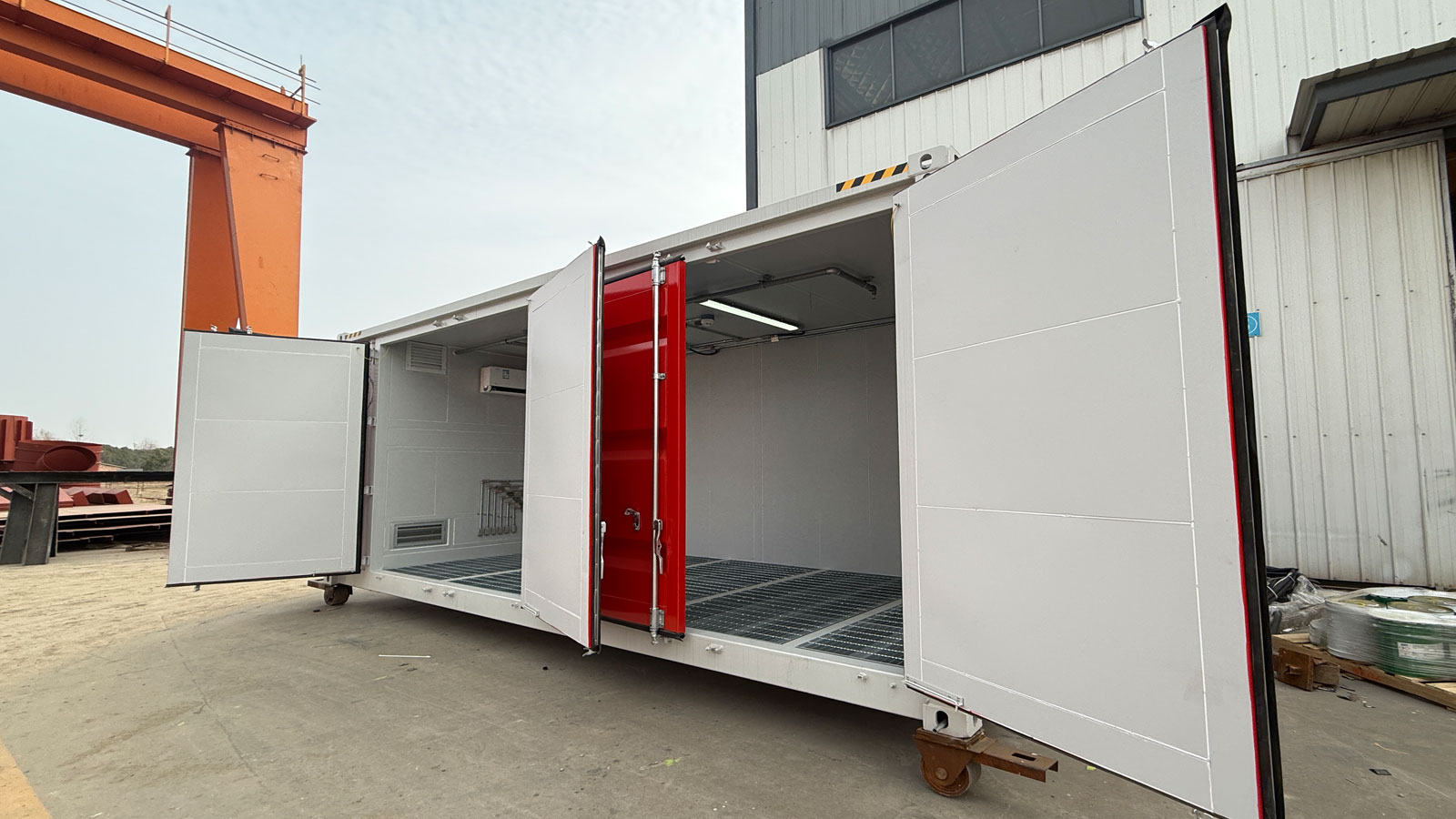
4. Transport Boxes: ADR Certification Enables Compliant Transit
Beyond storage, Willersinn was also looking for a transport solution suitable for lithium-ion batteries. An initially suitable product became unavailable after its supplier exited the market shortly after. DeSUN once again completed jointly with its German partner, a customized R&D and manufacturing according to the requirements, resulting in the ASL 43 plastic box, which has obtained ADR (European Agreement Concerning the International Carriage of Dangerous Goods by Road) certification for lithium-ion battery transport.
The box can be optionally equipped with GPS positioning, temperature sensors and independent aerosol fire extinguishers. The current model measures 400×300×310 mm externally, and three more versions with different sizes and materials will be launched later, with the largest specification compatible with standard EPAL pallets. The box is fitted with self-developed fire-fighting material DRYWATER inside.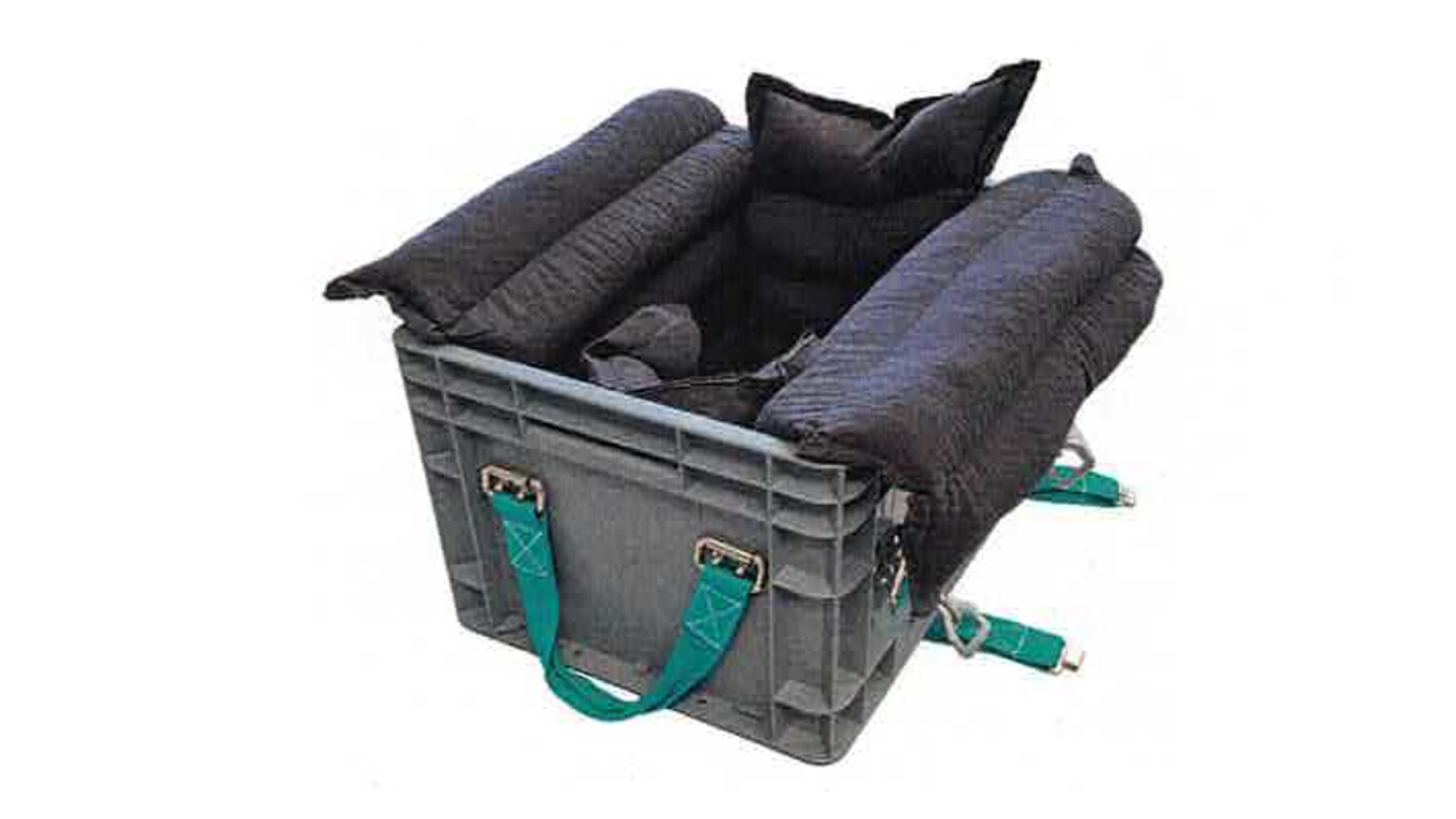
5. Systematic Cooperation Between DeSUN ECOTECH and Willersinn
DeSUN’s battery storage containers made their debut at IFAT Munich, the world’s leading international environmental protection trade fair, this year and received an overwhelming positive response.
DeSUN ECOTECH also exhibited alongside Willersinn at the fair. This indicates that the cooperation goes far beyond a single equipment purchase, and constitutes a systematic partnership covering demand definition, customized R&D, manufacturing integration, cross-border logistics and exhibition collaboration.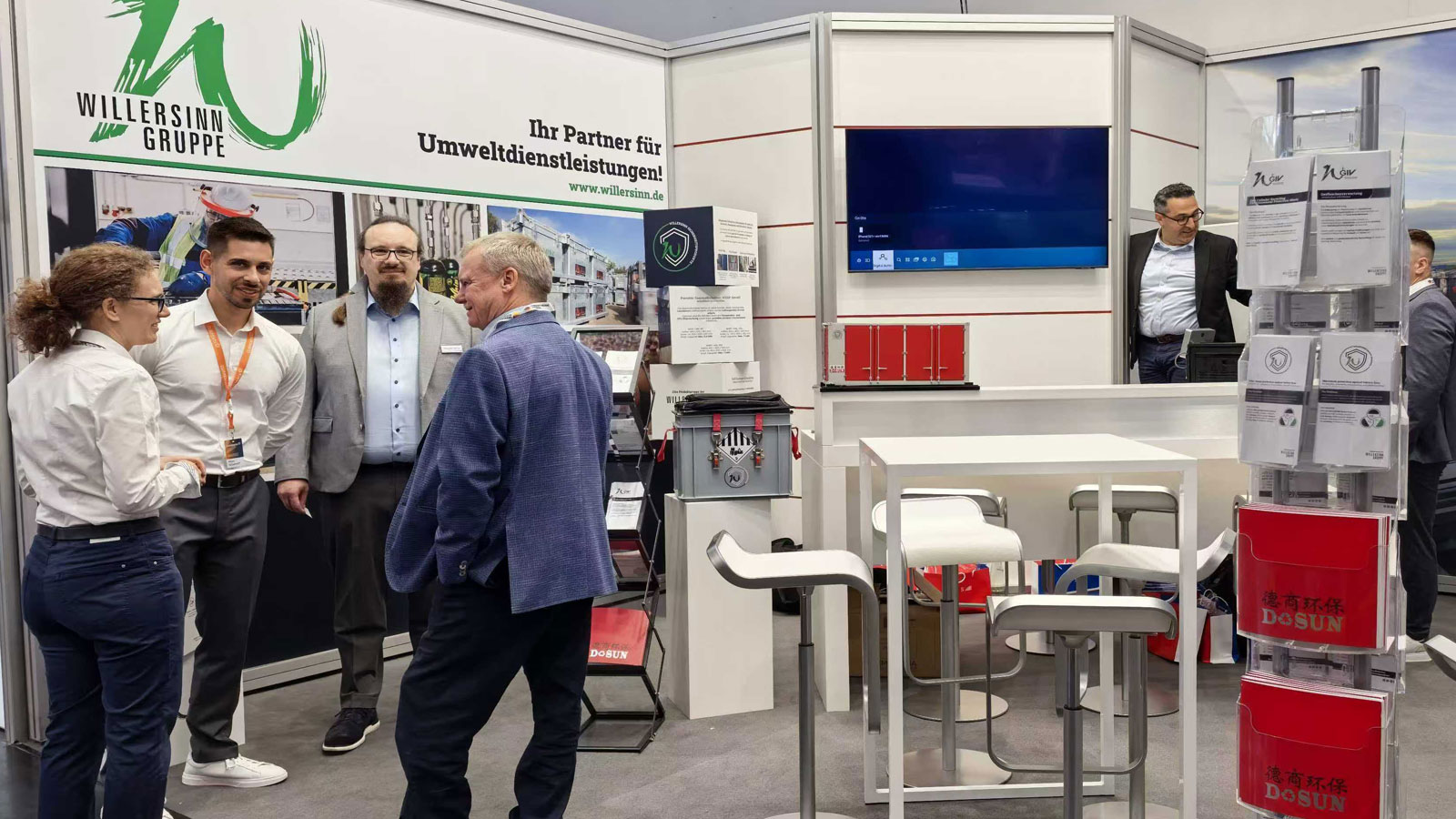
The cooperation between DeSUN ECOTECH and Willersinn is a win-win partnership. It combines Willersinn’s strengths in market insight and customer channels, as well as DeSUN’s advantages in R&D and Chinese manufacturing, to deliver reliable, safe and cost-effective solutions for battery storage and turnover to European customers. This marks another milestone achievement for DeSUN in fulfilling its mission of “realizing industrial safety through technology”.
 New
- 1 Battery Safety Cannot Afford to Wait: DeSUN ECOTECH Translates European Requirements into Chinese-Made Products 2026-11-11
- 2 The Dilemma of Small-Batch, Multi-Variety Hazardous Chemicals in Hospitals: Two Sets of Outdoor Hazardous Chemical Cabinets Unlock the Compliance Deadlock 2026-11-04
- 3 Multi-scenario Storage for Finished, Waste and Test-Pending Batteries: How Intelligent Specialized Cabinets Balance Safety, Compliance and Environmental Protection 2026-10-28
- 4 How to Select Outdoor Hazardous Chemical Storage Cabinets? Five Key Dimensions to Avoid Fatal Selection Pitfalls 2026-10-21
- 5 Intelligent Cloud-Based Hazardous Waste Warehouse Put into Operation at Lu'an Oil Depot of Anhui Petroleum: A New Compliant Temporary Storage Option for the Petroleum and Petrochemical Industry 2026-10-14
 Hot
- 1 Intelligent Environmental Protection: What Makes a Good Hazardous Waste Temporary Storage Cabinet? DeSUN ECOTECH Provides the Answer 2026-04-15
- 2 Hazardous Waste and General Solid Waste: Comprehensive Analysis of Identification Standards, Treatment Methods and DeSUN ECOTECH Solutions 2026-04-09
- 3 DeSUN ECOTECH Intelligent Battery Storage Cabinets Enter German Market; One-Stop Delivery Reinforces Battery Safety Defense 2026-09-09
- 4 DeSUN ECOTECH Flammable Liquid Safety Storage Cabinet Passes SGS 90-Minute Fire Test and Earns Type 90 Certification 2026-08-19
- 5 Hazardous Chemicals and Hazardous Waste Temporary Storage Cabinets: How to Choose the Right "Safety Steward"? A Comprehensive Guide to Differences and Selection 2026-04-22



- About Us Company Profile Corporate Culture Corporate Awards
- Solutions Hazardous Waste Storage Solutions Hazardous Chemical Storage Solutions Gas Cylinder Storage Solutions Battery Storage, Transfer, and Charging Solutions Intelligent Transfer Solutions
- Products Hazardous Waste Storage Cabinets Hazardous Chemical Storage Cabinets Intelligent Gas Cylinder Storage Cabinets Intelligent Battery Storage Cabinets Intelligent Transfer Containers More Products
-
Customer Cases
By Product
Category - News Corporate News Industry News
- Contact Us Contact Us
 沪公网安备31011402021669号
-
 Online Message


- Online Message