

 CN
CN


As a key link before the recycling and harmless treatment of hazardous waste, its storage must strictly comply with the requirements of regulations such as the Standard for Pollution Control on the Storage of Hazardous Wastes and the Law on the Prevention and Control of Environmental Pollution by Solid Wastes. These requirements cover multiple dimensions including storage methods, pre-treatment, time limits, and facilities.
Hazardous waste temporary storage cabinets, as dedicated storage equipment, can accurately meet the above requirements and effectively address the core issues in storage.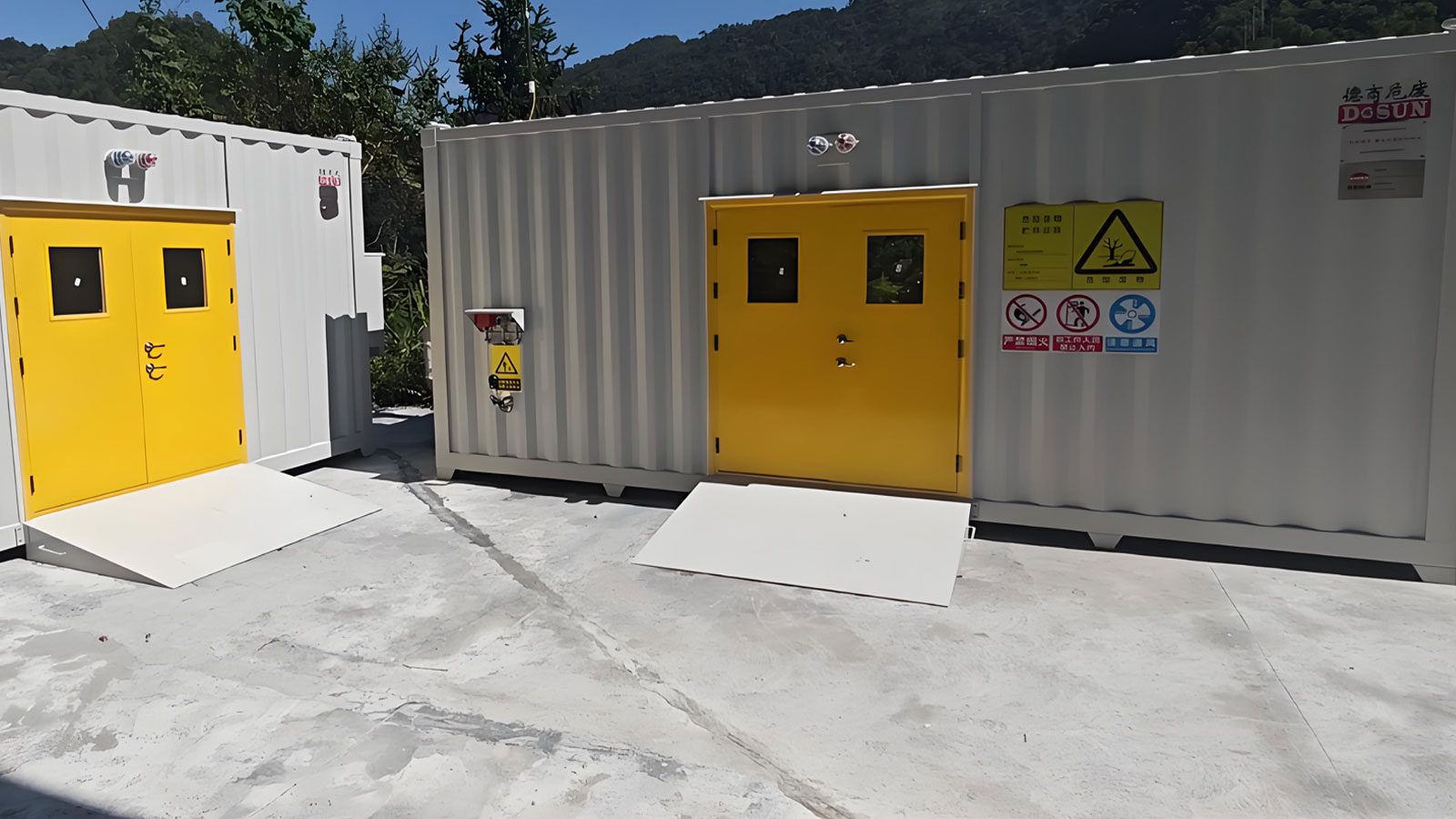
1. Complying with Mandatory Requirements for Storage Facilities
Regulations clearly stipulate that hazardous waste storage facilities must meet rigid conditions such as anti-seepage, leakage collection, and safety lighting. Hazardous waste temporary storage cabinets fully meet these requirements through their structural design.
First, the main body of the cabinet is made of corrosion-resistant and anti-seepage stainless steel or special composite environmental protection materials. The ground and base skirt are integrally formed to ensure chemical compatibility with various types of hazardous waste, eliminating the risk of leakage and complying with the requirement that "construction materials are compatible with hazardous waste".
Second, the bottom of the cabinet is equipped with a sloped leakage collection trough, paired with a sealed liquid collection box to collect leaked liquids in a timely manner. At the same time, it is equipped with a gas outlet and an activated carbon purification module to effectively treat toxic volatile gases, meeting the specifications for "leaked liquid collection" and "gas purification".
Third, the cabinet is equipped with explosion-proof LED safety lighting and a high-definition observation window, allowing monitoring of the internal status without opening the cabinet door. This balances operational safety and supervision convenience, complying with the facility requirements for "safety lighting and observation windows".
In addition, the height of the cabinet skirt and the volume are precisely calculated to ensure that the enclosed volume is not less than 1/5 of the capacity of the largest storage container, fully meeting the volume standard for containing leaks.
2. Enabling Scientific Isolation of Incompatible Hazardous Wastes
Hazardous waste storage must adopt methods such as segregation, separation, and isolation based on waste characteristics to avoid reactions between incompatible materials.Hazardous waste temporary storage cabinets solve this problem through modular design: fire-proof and corrosion-resistant partitions or independent sealed compartments can be flexibly added inside the cabinet. This achieves physical isolation between incompatible materials such as acidic and alkaline hazardous wastes, as well as oxidizing agents and reducing agents, corresponding to the requirements of "segregated storage" (where non-incompatible materials are separated by channels) and "separated storage" (where separation is achieved by partitions).For high-risk wastes that require long-distance storage, independent temporary storage cabinet units can be selected and placed in areas far from the main building, meeting the special requirements of "isolated storage" and fundamentally eliminating the risks of explosion and poisoning caused by mixed storage.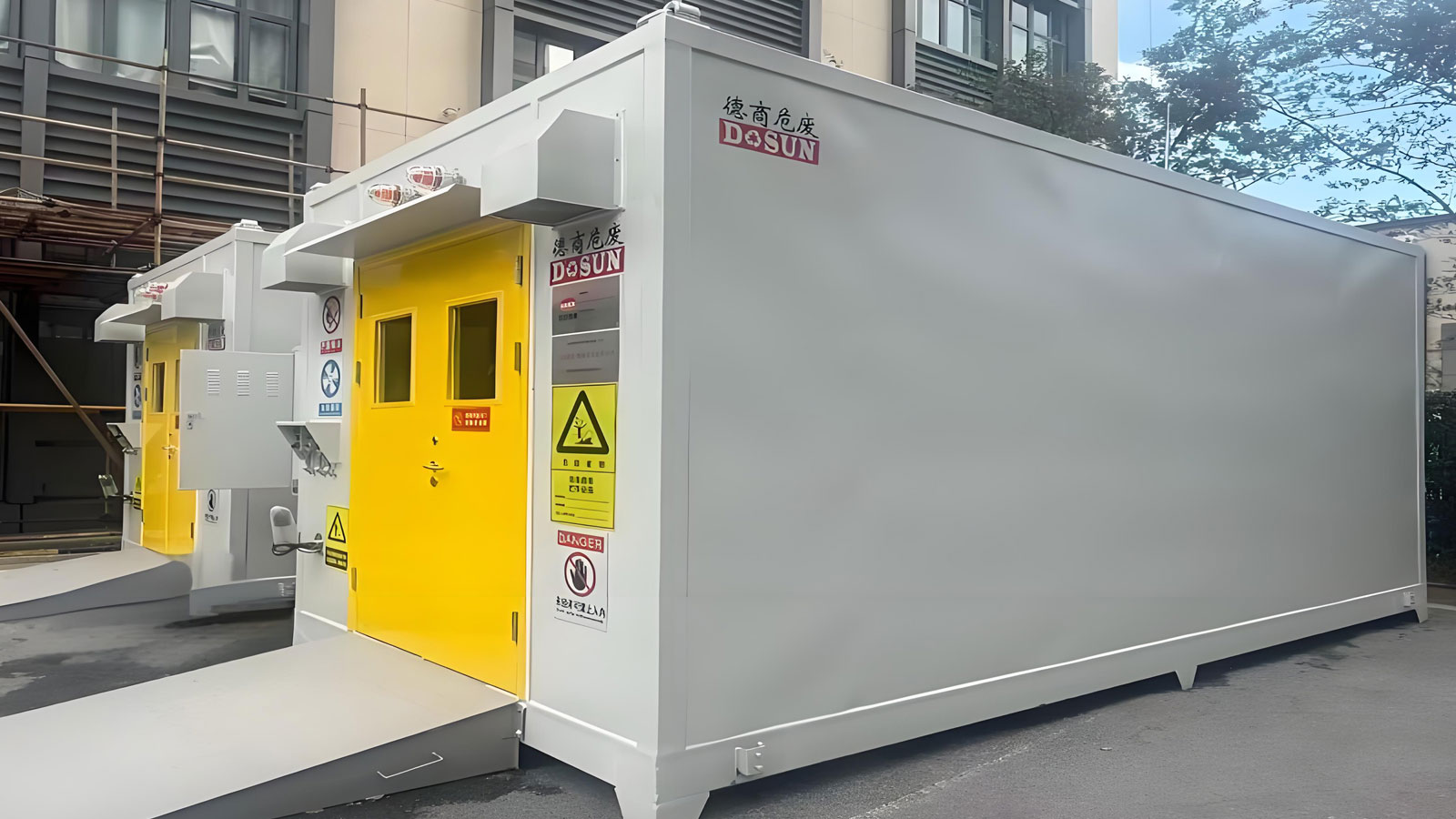
3. Assisting in the Safe Management of Pre-Treated Hazardous Wastes
According to standards, hazardous wastes that are explosive, flammable, or release toxic gases under normal temperature and pressure must undergo pre-treatment before storage.Targeting the characteristics of pre-treated materials, hazardous waste temporary storage cabinets are equipped with explosion-proof locks, anti-static grounding devices, and temperature monitoring modules. They can safely store pre-treated flammable and explosive hazardous wastes, avoiding the reoccurrence of risks due to environmental factors during the temporary storage phase.At the same time, the cabinet has good airtightness, which can effectively prevent the diffusion of toxic gases. Combined with the gas detection and alarm function, it can monitor the gas concentration inside the cabinet in real time to ensure the safety of the operating environment, making up for the safety loopholes of traditional storage methods.
4. Facilitating Standardized Short-Term Storage and Time-Limit Management
The Law on the Prevention and Control of Environmental Pollution by Solid Wastes stipulates that the storage period of hazardous waste shall not exceed one year; if an extension is really necessary, approval from the environmental protection department is required.Hazardous waste temporary storage cabinets can accurately control the storage volume of a single cabinet through capacity markings and digital management systems, avoiding over-storage.The outer side of the cabinet is equipped with usage registration cards, which clearly record the type of hazardous waste, the storage date, and the planned disposal date. This facilitates managers to track the storage period, promptly initiate disposal procedures, and prevent violations of overdue storage regulations.Some intelligent temporary storage cabinets can also be connected to environmental supervision platforms to automatically issue time-limit warnings, providing technical support for enterprises to achieve compliant storage.
5. Clarifying the Storage Boundary Between Hazardous Wastes and Hazardous Chemicals
The core difference between hazardous wastes and hazardous chemicals lies in whether they have practical value. Waste hazardous chemicals belong to hazardous wastes and must be managed in accordance with hazardous waste regulations.Through clear usage labels and storage specifications, hazardous waste temporary storage cabinets restrict their use exclusively to storing waste hazardous chemicals and other hazardous wastes. This forms a clear distinction from dedicated cabinets used for storing hazardous chemicals with practical value (such as production raw materials and laboratory reagents), avoiding management confusion caused by mixed storage.At the same time, the cabinet is marked with information such as the type of hazardous waste and its hazardous characteristics, further strengthening the awareness of classified storage. This helps enterprises clarify the management boundary between the two and ensure compliance.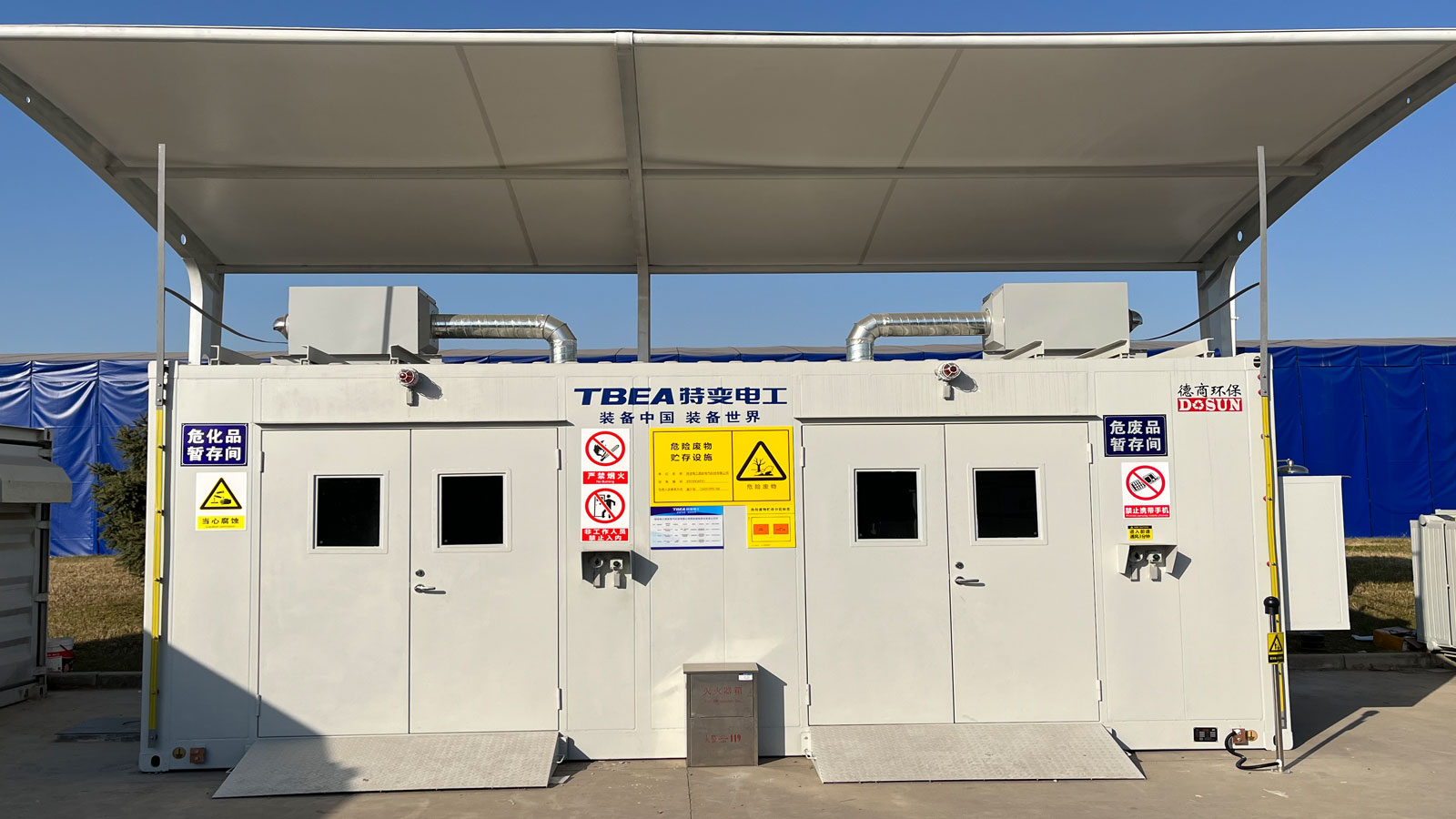
In summary, through the in-depth alignment of functional design with regulatory requirements, hazardous waste temporary storage cabinets provide a systematic solution for hazardous waste storage from five dimensions: facility compliance, isolation safety, pre-treatment management, time-limit control, and category distinction.They not only effectively reduce environmental and safety risks during the storage phase but also help enterprises implement regulatory requirements and improve the professionalization level of hazardous waste management. They are indispensable key equipment in the hazardous waste storage link.
 New
New
- 1 Choosing the Right Hazardous Waste Temporary Storage Cabinet Is Only the First Step; Poor Daily Management Still Fails Environmental Protection Inspections 2026-09-16
- 2 DeSUN ECOTECH Intelligent Battery Storage Cabinets Enter German Market; One-Stop Delivery Reinforces Battery Safety Defense 2026-09-09
- 3 New Specifications for Gas Cylinder Storage: Analysis of Intelligent Explosion-Proof Solutions for Both Indoor and Outdoor Scenarios 2026-09-02
- 4 30 Sets of Customized Non-Standard Hazardous Waste Containers Exported to Kazakhstan: Why DeSUN ECOTECH Earns Trust? 2026-08-27
- 5 DeSUN ECOTECH Flammable Liquid Safety Storage Cabinet Passes SGS 90-Minute Fire Test and Earns Type 90 Certification 2026-08-19
 Hot
Hot
- 1 Intelligent Environmental Protection: What Makes a Good Hazardous Waste Temporary Storage Cabinet? DeSUN ECOTECH Provides the Answer 2026-04-15
- 2 Hazardous Waste and General Solid Waste: Comprehensive Analysis of Identification Standards, Treatment Methods and DeSUN ECOTECH Solutions 2026-04-09
- 3 Hazardous Chemicals and Hazardous Waste Temporary Storage Cabinets: How to Choose the Right "Safety Steward"? A Comprehensive Guide to Differences and Selection 2026-04-22
- 4 Safety Standards for Outdoor Gas Cylinder Cabinets: Multi-dimensional Environmental Protection to Build a Strong Defense Line for Outdoor Storage Safety 2026-02-26
- 5 Shanghai DeSUN ECOTECH CO., Ltd – Selected as a 2025 Shanghai "Specialized, Refined, Differential and Innovative (SRDI)" Small and Medium-sized Enterprise 2025-09-04



- About Us Company Profile Corporate Culture Corporate Awards
- Solutions Hazardous Waste Storage Solutions Hazardous Chemical Storage Solutions Gas Cylinder Storage Solutions Battery Storage, Transfer, and Charging Solutions Intelligent Transfer Solutions
- Products Hazardous Waste Storage Cabinets Hazardous Chemical Storage Cabinets Intelligent Gas Cylinder Storage Cabinets Intelligent Battery Storage Cabinets Intelligent Transfer Containers More Products
-
Customer Cases
By Product
Category - News Corporate News Industry News
- Contact Us Contact Us
 沪公网安备31011402021669号
-
 Online Message


- Online Message