

 CN
CN


When Cai Guoqiang's fireworks show titled "Rising Dragon" exploded over the Himalayas, the colorful flames reflected not a triumph of art, but scars on the ecological ethics of the Qinghai-Tibet Plateau. This costly fireworks display ignited flames on the meadow of Relong Township, Gyantse County at an altitude of 4,000 meters, subsequently triggering a nationwide storm of ecological controversy.
After the display, a large amount of plastic packaging, steel fixtures, and unburned gunpowder were left at the site. The video quickly attracted massive public attention online once posted.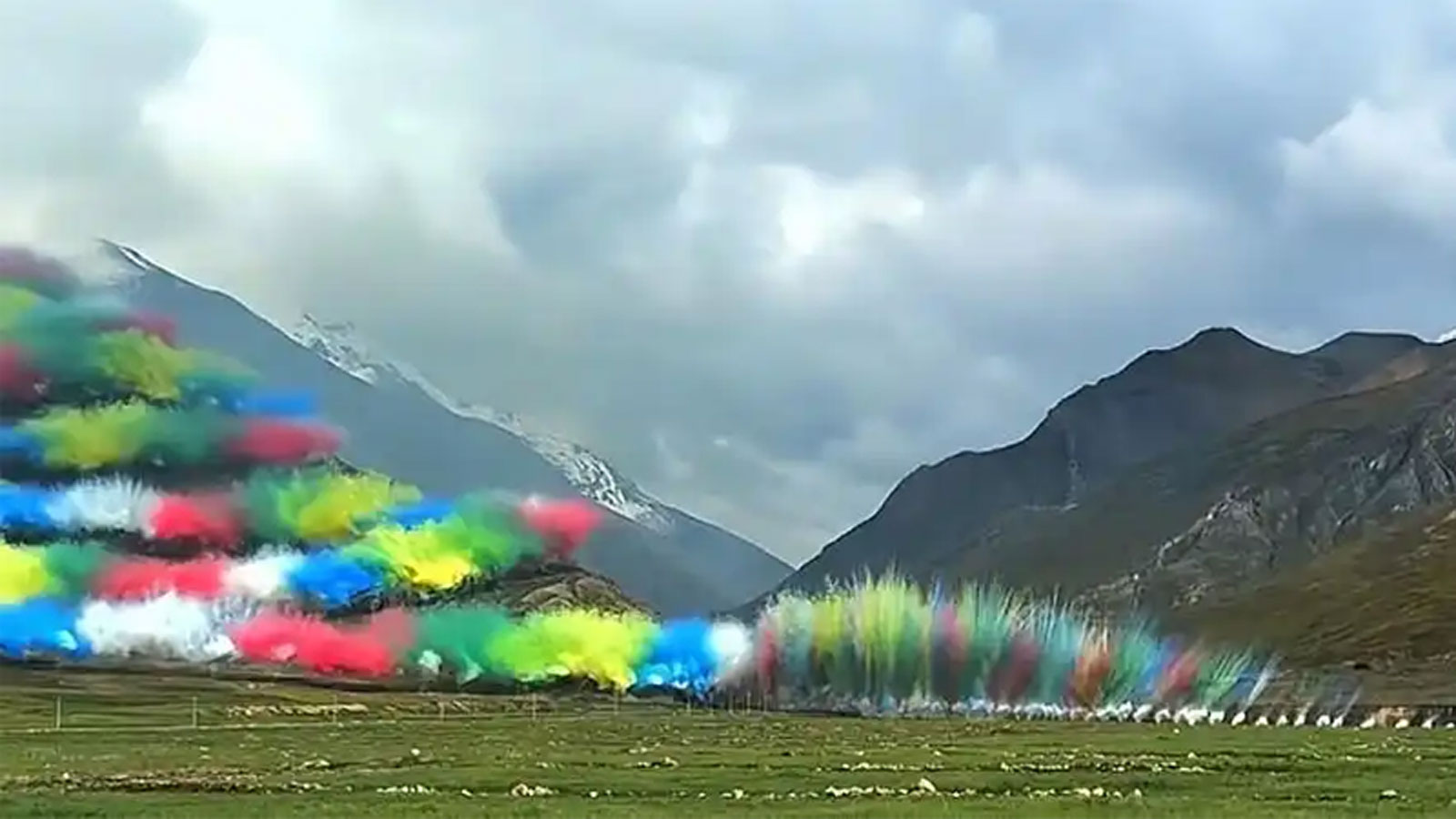
On September 21, Cai Guoqiang and Arc'teryx issued a public apology letter, promising to take the initiative to cooperate with assessments by third-party institutions and relevant authorities and make every effort to implement remedial measures.
However, netizens remained unconvinced. As public opinion intensified, the official notice on Cai Guoqiang's fireworks incident was released, and Xigaze City established an investigation team, pledging to handle the case in accordance with laws and regulations based on the verification results.
CCTV reporters also visited the fireworks site to inspect the situation, and what they found was shocking: the fireworks show had caused severe damage to the Himalayan region.
From the video exposed by CCTV, we can see that copper scraps, plastic packaging, steel fixtures, and unburned gunpowder particles are still scattered on the surface of the Himalayan mountains.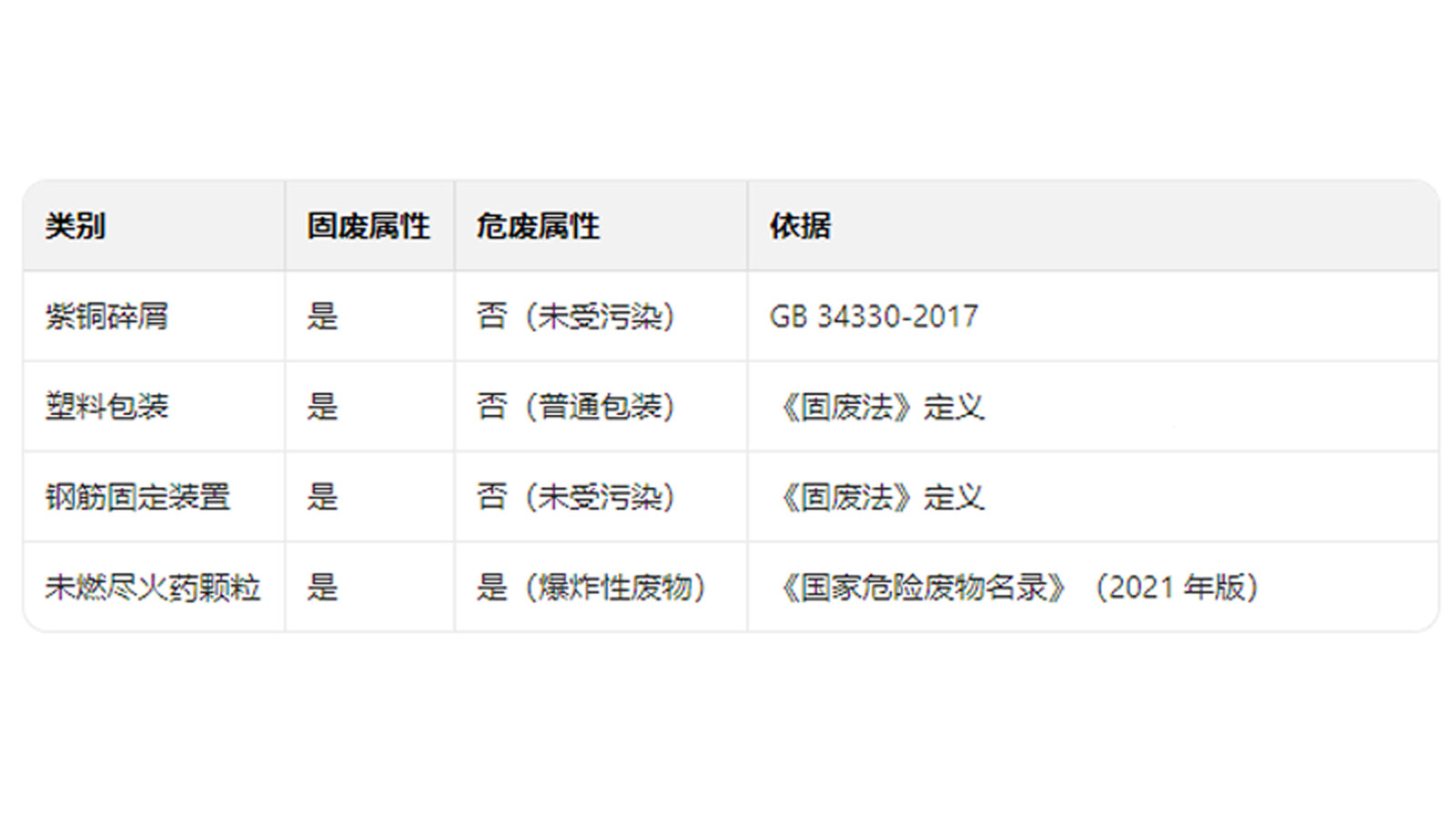
How to properly dispose of the "waste" generated after the fireworks has become a major public concern.
Copper scraps: Classified as general industrial solid waste.
Copper scraps produced during metal processing are generally not listed in the National Catalogue of Hazardous Wastes and do not possess hazardous characteristics. After collection and classification, they can be sent to relevant metal smelting or processing enterprises for recycling and reuse, such as remelting and purification to produce new copper products.
Plastic packaging: Generally classified as general industrial solid waste or domestic waste.
Waste plastic packaging is usually non-hazardous if not contaminated by dangerous substances. Such plastic packaging can be collected and sorted first, then treated through mechanical recycling, chemical recycling, and other methods according to plastic types and properties, such as processing into recycled plastic pellets for new plastic products. Incineration for power generation or landfill disposal is also allowed under environmental protection requirements, but these methods may cause certain environmental impacts, so recycling should be prioritized.
Steel fixtures: Classified as general industrial solid waste.
Steel fixtures are discarded after construction and lose their original utility value, but are generally non-hazardous. They can be collected and sent to steel mills for remelting to produce new steel products.
Unburned gunpowder particles: May be classified as hazardous waste.
Gunpowder has hazardous characteristics such as flammability and reactivity. Unburned gunpowder particles containing flammable and explosive ingredients may fall under hazardous waste in accordance with the National Catalogue of Hazardous Wastes. Such particles must be handled in compliance with hazardous waste management regulations, requiring collection, transportation, and disposal by professional hazardous waste treatment entities through safe incineration, chemical decomposition, and other methods to ensure no harm to the environment and human health.
Special attention must be paid in the high-altitude, ecologically fragile Himalayan region:
All cleanup activities must comply with the Qinghai-Tibet Plateau Ecological Protection Law and local environmental regulations to avoid secondary pollution;
Hazardous waste must be transported using special leak-proof, fire-proof, and shock-proof vehicles along approved routes;
Cleanup personnel must be equipped with protective gear and trained in emergency response to ensure human and environmental safety.
A special cleanup plan is recommended, with multi-party collaboration among environmental protection, public security, mountaineering organizations, and other sectors to achieve classified collection, safe transportation, and compliant disposal, minimizing the ecological impact on Mount Everest.
 New
New
- 1 Choosing the Right Hazardous Waste Temporary Storage Cabinet Is Only the First Step; Poor Daily Management Still Fails Environmental Protection Inspections 2026-09-16
- 2 DeSUN ECOTECH Intelligent Battery Storage Cabinets Enter German Market; One-Stop Delivery Reinforces Battery Safety Defense 2026-09-09
- 3 New Specifications for Gas Cylinder Storage: Analysis of Intelligent Explosion-Proof Solutions for Both Indoor and Outdoor Scenarios 2026-09-02
- 4 30 Sets of Customized Non-Standard Hazardous Waste Containers Exported to Kazakhstan: Why DeSUN ECOTECH Earns Trust? 2026-08-27
- 5 DeSUN ECOTECH Flammable Liquid Safety Storage Cabinet Passes SGS 90-Minute Fire Test and Earns Type 90 Certification 2026-08-19
 Hot
Hot
- 1 Intelligent Environmental Protection: What Makes a Good Hazardous Waste Temporary Storage Cabinet? DeSUN ECOTECH Provides the Answer 2026-04-15
- 2 Hazardous Waste and General Solid Waste: Comprehensive Analysis of Identification Standards, Treatment Methods and DeSUN ECOTECH Solutions 2026-04-09
- 3 Hazardous Chemicals and Hazardous Waste Temporary Storage Cabinets: How to Choose the Right "Safety Steward"? A Comprehensive Guide to Differences and Selection 2026-04-22
- 4 Shanghai DeSUN ECOTECH CO., Ltd – Selected as a 2025 Shanghai "Specialized, Refined, Differential and Innovative (SRDI)" Small and Medium-sized Enterprise 2025-09-04
- 5 Safety Standards for Outdoor Gas Cylinder Cabinets: Multi-dimensional Environmental Protection to Build a Strong Defense Line for Outdoor Storage Safety 2026-02-26


- About Us Company Profile Corporate Culture Corporate Awards
- Solutions Hazardous Waste Storage Solutions Hazardous Chemical Storage Solutions Gas Cylinder Storage Solutions Battery Storage, Transfer, and Charging Solutions Intelligent Transfer Solutions
- Products Hazardous Waste Storage Cabinets Hazardous Chemical Storage Cabinets Intelligent Gas Cylinder Storage Cabinets Intelligent Battery Storage Cabinets Intelligent Transfer Containers More Products
-
Customer Cases
By Product
Category - News Corporate News Industry News
- Contact Us Contact Us
 沪公网安备31011402021669号
-
 Online Message


- Online Message