

 CN
CN


According to media reports, recently Tu (female, 52) was poisoned after accidental contact with discarded hydrofluoric acid when entering a vacant lot near Xianlin Middle Road in Hangzhou. She was rushed to hospital but succumbed to her injuries and passed away unfortunately in the early morning of September 14, 2025. A sudden disaster on the ground, a heartbreaking accident, has brought unforeseen tragedy to a family. Spread through the internet, this incident has also allowed more ordinary people to see the loopholes and accountability failures in the management of hazardous chemicals.
Although local public security authorities launched an investigation immediately after receiving the alarm; the ecological and environmental department has completed on-site harmless disposal in accordance with regulations; and the sub-district is fully promoting follow-up work. However, netizens remain anxious: how can we avoid similar fatal dangers in daily travel? According to the notice, the hydrofluoric acid involved was randomly discarded on an abandoned plot after demolition, which is not private land, and even residents usually grow vegetables here.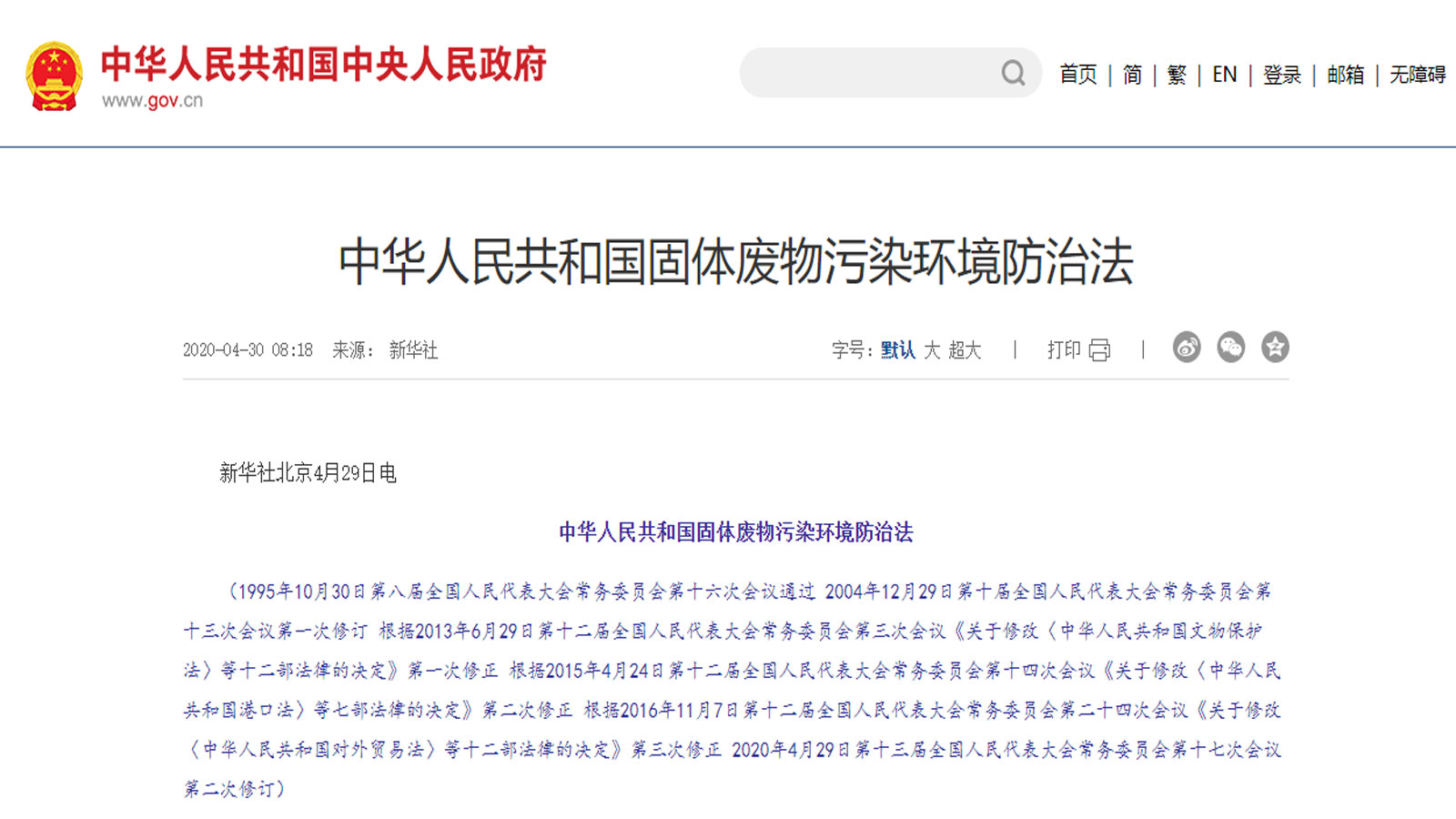
Article 79 of the *Law of the People's Republic of China on the Prevention and Control of Environmental Pollution by Solid Waste* clearly stipulates that units generating hazardous waste must store, utilize and dispose of hazardous waste in accordance with relevant national regulations and environmental protection standards, and shall not dump or pile up hazardous waste without permission. As a waste acid explicitly listed in the *National Catalogue of Hazardous Wastes*, hydrofluoric acid is subject to strict disposal specifications.
If it is verified that the waste was discarded by relevant enterprises or individuals, they will be suspected of breaking the law and may even constitute a crime.
In accordance with Article 338 of the *Criminal Law of the People's Republic of China*, whoever, in violation of national regulations, discharges, dumps or disposes of radioactive waste, waste containing infectious pathogens, toxic substances or other harmful substances, thus seriously polluting the environment, shall be sentenced to fixed-term imprisonment of not more than three years or criminal detention, and shall also be fined or solely fined; if the circumstances are serious, he shall be sentenced to fixed-term imprisonment of not less than three years but not more than seven years and shall also be fined; if the circumstances or consequences are especially serious, he may also be sentenced to fixed-term imprisonment of not less than seven years and shall also be fined.
At present, the public security organs have filed a case for investigation, which means the incident has entered criminal judicial proceedings. It is imperative to trace the source, identify the responsible parties, and impose severe punishment in accordance with the law.
The incident involving Tu is like a magnifying glass, clearly revealing the huge blind spots in hazardous waste control in fringe areas such as urban-rural junctions and areas to be developed. Abandoned land is not "ownerless land", nor should it become a corner where public safety responsibilities are "forgotten".
In accordance with the principle of "the polluter is responsible for treatment", land managers, local sub-districts and environmental protection departments all bear corresponding management and inspection responsibilities.
For land that has been reserved or is to be developed, the responsible parties must fulfill necessary safety management and warning obligations; for areas with potential pollution risks, environmental protection departments should strengthen monitoring and law enforcement.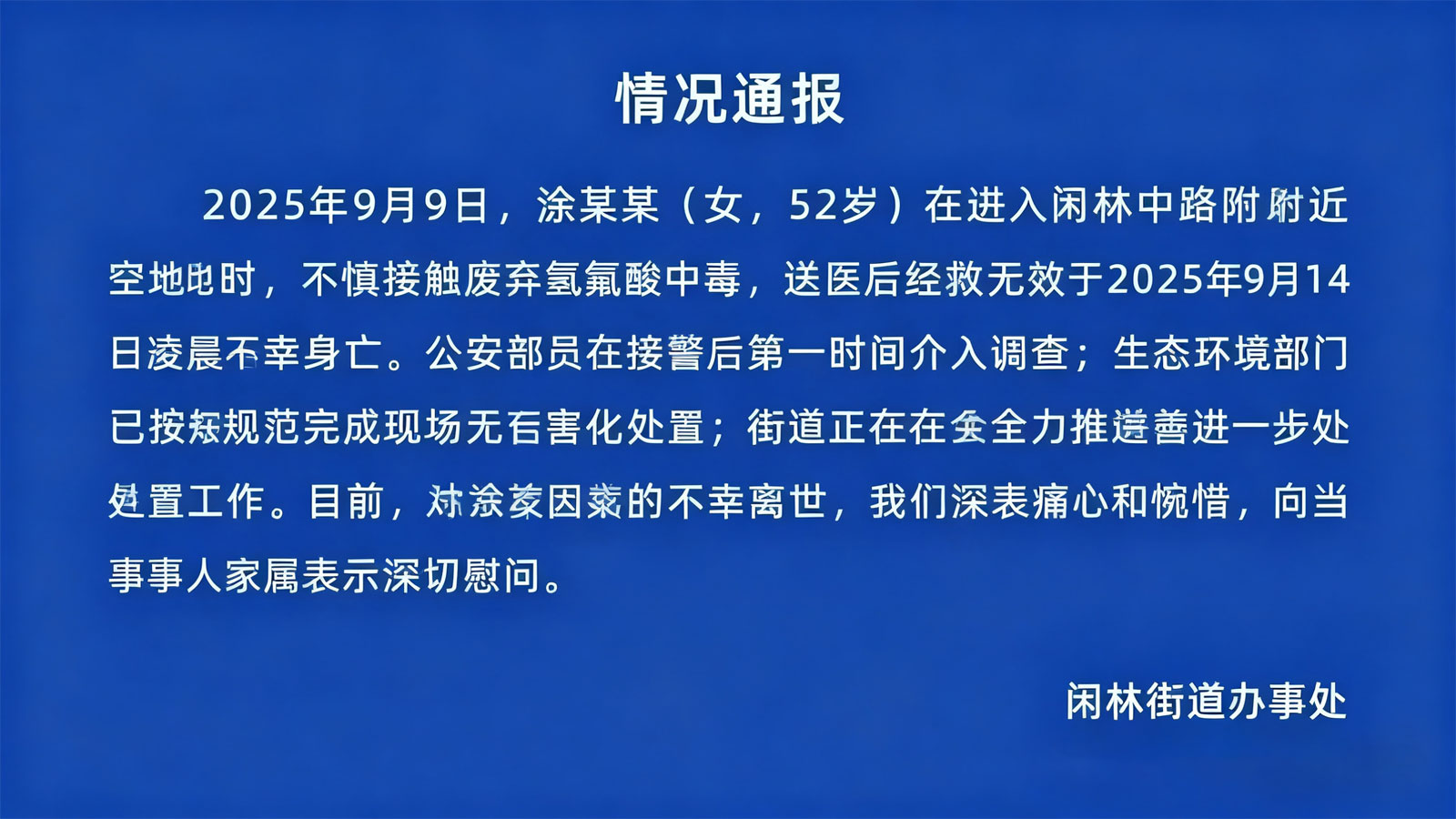
In this incident, some local residents grow vegetables in this area daily, indicating that the area intersects with public daily living spaces rather than being isolated from the world. Questions such as whether the manager fulfilled the reasonable duty of care, set up obvious warning signs, and conducted regular inspections to identify hazard sources urgently need clear answers.
The whole-chain supervision of hazardous chemicals must also be further strengthened.
According to multiple media reports, hydrofluoric acid solution can even be purchased directly through certain online channels. This reflects possible regulatory gaps and omissions from production, circulation, use to final waste disposal.
For highly toxic chemicals, relevant authorities should strictly implement systems such as administrative licensing, ledger management, transportation filing and waste recycling. E-commerce platforms, logistics enterprises and other entities must also undertake review obligations to block illegal trading channels. Only by building a full-process, gap-free supervision network covering the source, process and end can we eliminate potential risks to the maximum extent and protect public safety.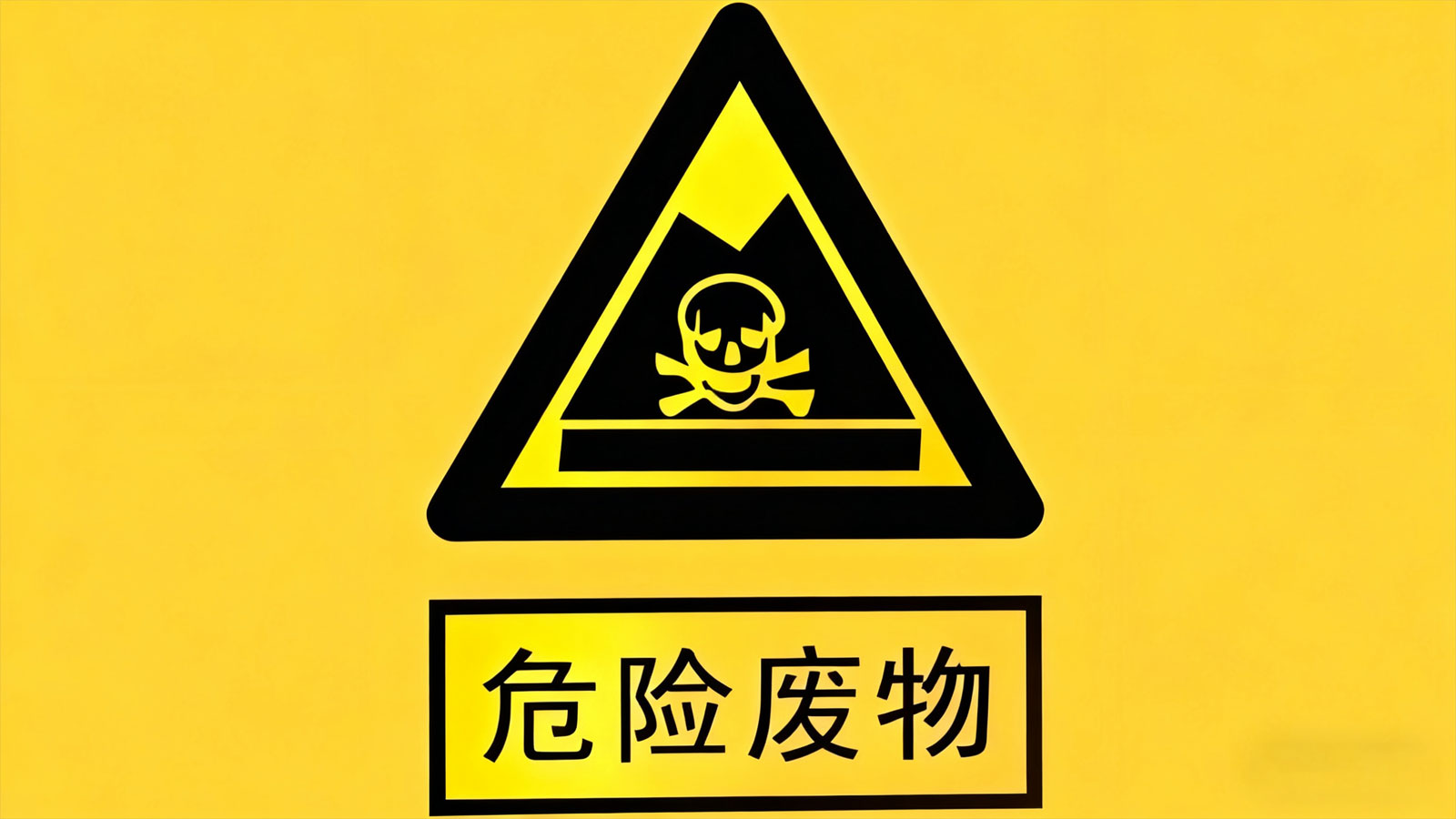
Life first, safety foremost.
This unfortunate incident in Hangzhou has sounded the alarm again at the cost of a life: the management of hazardous waste is related to people's life, health and ecological environment security. We must take "perfectly safe" responsibilities to prevent the pain of "total loss from a single mistake".
On the one hand, we must rely on strict law enforcement and judicial accountability to form a strong deterrent that makes people dare not and cannot break the law, forcing responsible parties to fulfill their legal obligations;
On the other hand, it is also necessary to strengthen grassroots governance capabilities, consolidate territorial responsibilities, and conduct in-depth risk investigations, especially grid inspections of easily overlooked areas such as idle, to-be-developed and demolished plots to ensure no omissions.
Only by integrating the reverence for life into every part of the strictest legal and responsibility systems can we build a solid foundation for public security and prevent tragedies from recurring.
 New
New
- 1 Choosing the Right Hazardous Waste Temporary Storage Cabinet Is Only the First Step; Poor Daily Management Still Fails Environmental Protection Inspections 2026-09-16
- 2 DeSUN ECOTECH Intelligent Battery Storage Cabinets Enter German Market; One-Stop Delivery Reinforces Battery Safety Defense 2026-09-09
- 3 New Specifications for Gas Cylinder Storage: Analysis of Intelligent Explosion-Proof Solutions for Both Indoor and Outdoor Scenarios 2026-09-02
- 4 30 Sets of Customized Non-Standard Hazardous Waste Containers Exported to Kazakhstan: Why DeSUN ECOTECH Earns Trust? 2026-08-27
- 5 DeSUN ECOTECH Flammable Liquid Safety Storage Cabinet Passes SGS 90-Minute Fire Test and Earns Type 90 Certification 2026-08-19
 Hot
Hot
- 1 Intelligent Environmental Protection: What Makes a Good Hazardous Waste Temporary Storage Cabinet? DeSUN ECOTECH Provides the Answer 2026-04-15
- 2 Hazardous Waste and General Solid Waste: Comprehensive Analysis of Identification Standards, Treatment Methods and DeSUN ECOTECH Solutions 2026-04-09
- 3 Hazardous Chemicals and Hazardous Waste Temporary Storage Cabinets: How to Choose the Right "Safety Steward"? A Comprehensive Guide to Differences and Selection 2026-04-22
- 4 Shanghai DeSUN ECOTECH CO., Ltd – Selected as a 2025 Shanghai "Specialized, Refined, Differential and Innovative (SRDI)" Small and Medium-sized Enterprise 2025-09-04
- 5 Safety Standards for Outdoor Gas Cylinder Cabinets: Multi-dimensional Environmental Protection to Build a Strong Defense Line for Outdoor Storage Safety 2026-02-26



- About Us Company Profile Corporate Culture Corporate Awards
- Solutions Hazardous Waste Storage Solutions Hazardous Chemical Storage Solutions Gas Cylinder Storage Solutions Battery Storage, Transfer, and Charging Solutions Intelligent Transfer Solutions
- Products Hazardous Waste Storage Cabinets Hazardous Chemical Storage Cabinets Intelligent Gas Cylinder Storage Cabinets Intelligent Battery Storage Cabinets Intelligent Transfer Containers More Products
-
Customer Cases
By Product
Category - News Corporate News Industry News
- Contact Us Contact Us
 沪公网安备31011402021669号
-
 Online Message


- Online Message