

 CN
CN


I. Policy Drivers: The "Full-Chain" Standardization Era for Lithium Battery Safety Management
Starting from April 1, 2026, the Interim Measures for the Recycling and Comprehensive Utilization of Waste Power Batteries from New Energy Vehicles will be implemented. For the first time, it clarifies the intelligent and standardized requirements for the entire process of power batteries from "production-sales-recycling-utilization" in the form of regulations.
The policy proposes two core objectives:
1. Traceability Control: Establish a national unified power battery coding system to achieve full lifecycle tracking from production to recycling with "one object, one code".
2. Safety Closed-Loop: Require enterprises to establish storage, transportation, and treatment systems that comply with the National List of Hazardous Wastes, strictly controlling risks such as leakage and combustion.
Against this backdrop, the "safety短板" (shortcomings) in the storage and recycling links of lithium batteries need to be addressed urgently. Traditional battery cabinets generally have problems such as insufficient fire resistance (only 30 minutes of fire resistance limit) and low intelligence (relying on manual inspections), making it difficult to meet the policy's requirements for "precision, intelligence, and greenness". 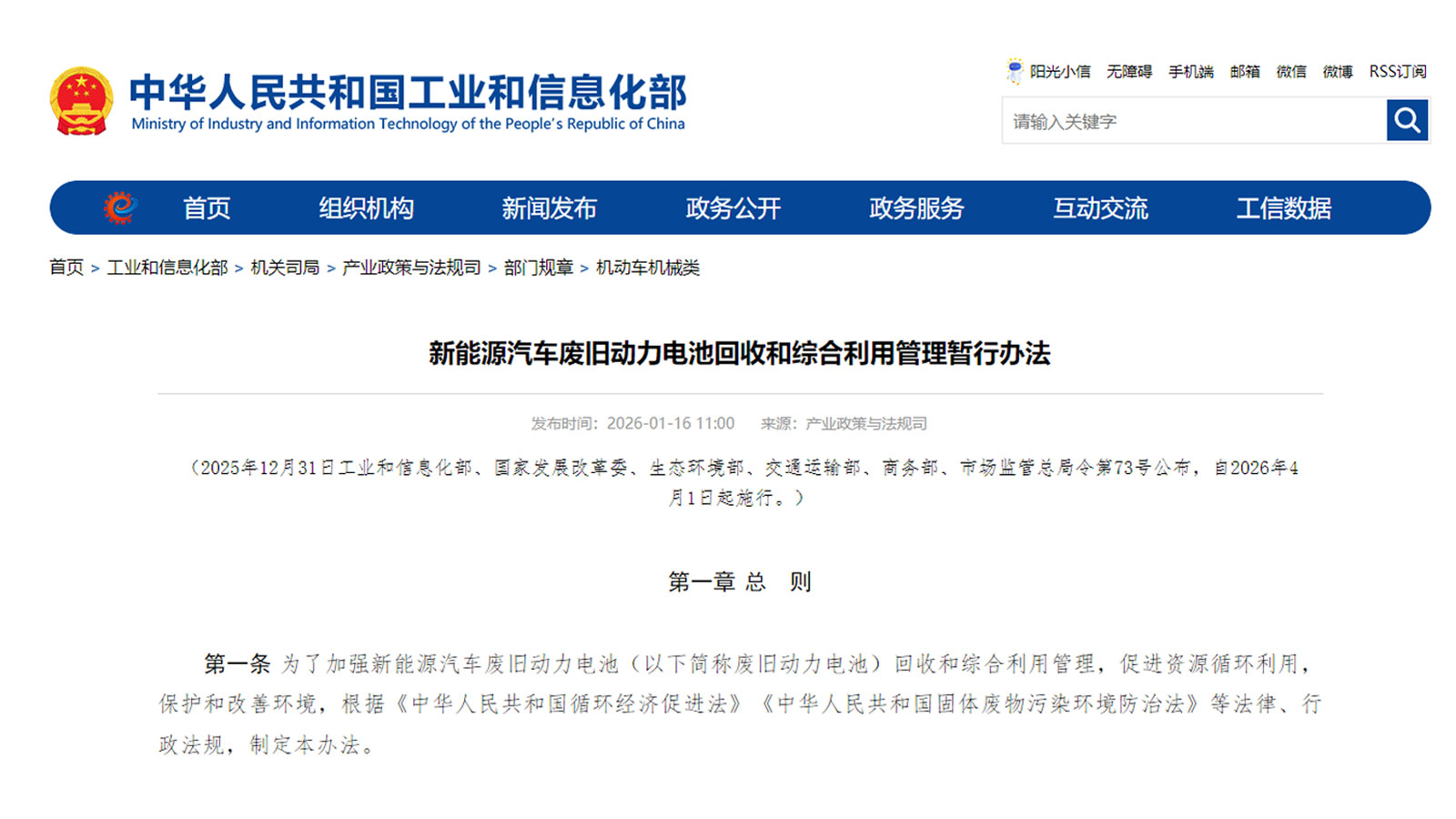
II. DeSUN ECOTECH Battery Cabinets: A Full-Scenario Solution Driven by Technological Innovation
As a benchmark product in the field of hazardous waste management in China, DeSUN ECOTECH Battery Cabinets focus on "safety protection + intelligent management + circular utilization" to build a full-lifecycle solution for lithium batteries. Its technical architecture is highly aligned with policy requirements:
(I) Product Matrix: Covering the Entire Chain of "Storage-Charging-Recycling"
1. Intelligent Storage Equipment
• DeSUN-BTC120 Fireproof Cabinet: Designed in accordance with the European EN14470-1 standard, it has a fire resistance time of 120 minutes. Equipped with a variable frequency exhaust system and a leak collection device, it can isolate corrosive electrolytes and is suitable for centralized storage scenarios of large lithium batteries.
• Retired Battery Smart Warehouse: Selected into the National Ecological and Environmental Protection Directory (No. 2025-J-38), it monitors the health status of batteries in real-time through the Internet of Things (IoT), automatically generates electronic ledgers, and realizes "traceable sources and destinations" for retired batteries.
2. Safe Charging System
The independent charging warehouse design combined with an active fire extinguishing system supports centralized charging of multiple types of lithium batteries. For example, after a logistics enterprise deployed it, the charging accident rate decreased by 92%, and compliance was approved by the fire department.
3. Circular Utilization Ecosystem
The recycling network equipment developed in cooperation with Germany's DUPERTHAIL Company realizes standardized processes for battery disassembly, classification, and storage. The metal recovery rate has increased to 95%, complying with the requirements of the Circular Economy Promotion Law. 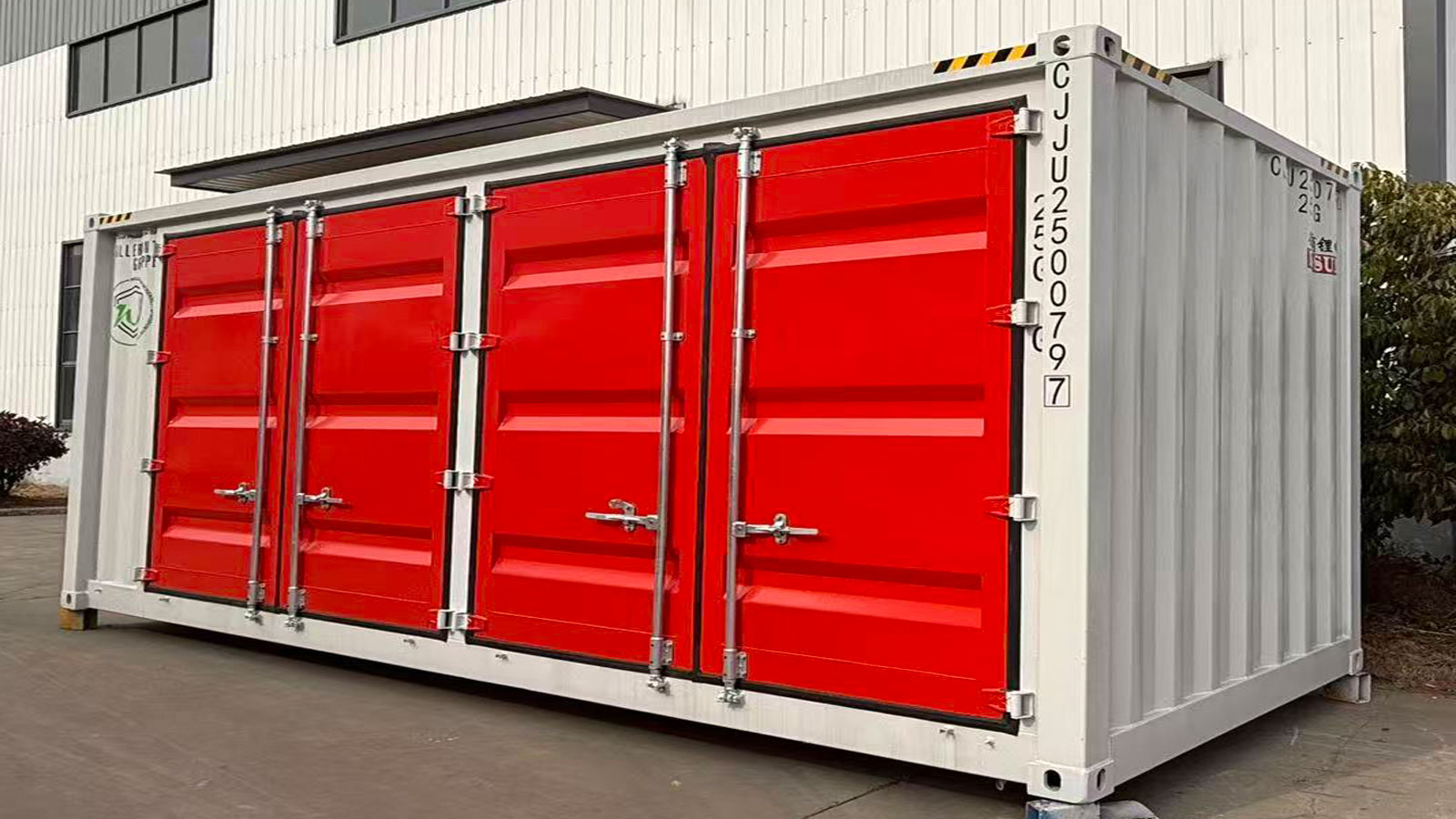
(II) Technical Barriers: Deep Integration of German Craftsmanship and Local Needs
1. Safety Protection System
• Fire and Explosion Prevention: Double-layer fire-resistant steel plates + 120-minute fire resistance limit, dual protection from leak trays and closed-door detection sensors.
• Intelligent Early Warning: Infrared thermal imaging predicts thermal runaway 30 minutes in advance, with a response speed 5 times faster than traditional solutions.
2. Intelligent Core
• Data Middle Platform: Integrates over 200 monitoring points for temperature, humidity, gas concentration, etc. Data is retained for 3 years and supports remote management via mobile phones.
• Unmanned Operation: The patented "automatic access system" enables 24-hour unattended operation, reducing the risk of manual intervention.
3. Environmental Innovation
Using biodegradable plastics and recycled metals, the cabinet's carbon footprint is reduced by 40% compared to traditional products, and it has obtained EU RoHS certification. 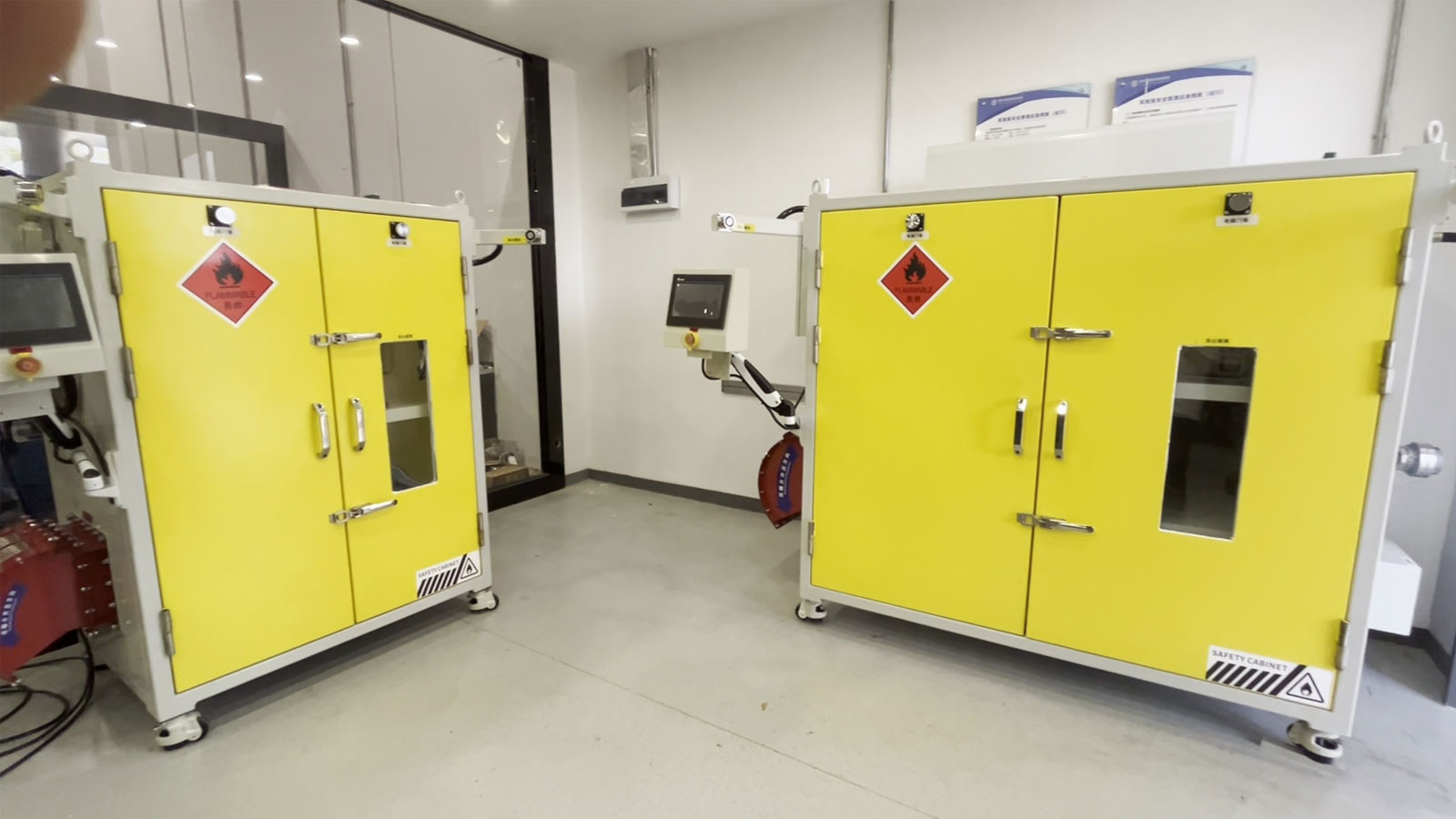
(III) Industry Recognition: From Technological Leadership to Standard Setting
• In January 2026, the intelligent and digital retired battery storage equipment was selected into the 2025 List of Practical Technologies and Typical Projects for Ecological and Environmental Protection by the China Association of Environmental Protection Industry.
• In 2023, the battery cabinet technology was included in the "Zero-Waste City" Construction Advanced Applicable Technologies Directory by the Ministry of Ecology and Environment.
III. Industry Insights: The "Double Helix" Upgrade Path of Safety and Efficiency
DeSUN ECOTECH's practice shows that lithium battery safety management needs to achieve three transformations:
1. From Passive Compliance to Active Prevention: Replace manual inspections with intelligent devices to move the risk control checkpoint forward.
2. From Single Products to Ecological Collaboration: Build a "storage-charging-recycling" closed loop to improve resource utilization efficiency.
3. From Technology Follower to Standard Setter: Participate in the formulation of national standards to gain industry discourse power.
In the future, with the deepening implementation of the Interim Measures for the Recycling and Utilization of Power Batteries from New Energy Vehicles, enterprises represented by DeSUN ECOTECH are expected to promote the lithium battery industry towards a new stage of "safe, controllable, circular, and efficient" through technological innovation and model upgrading.
 New
New
- 1 Choosing the Right Hazardous Waste Temporary Storage Cabinet Is Only the First Step; Poor Daily Management Still Fails Environmental Protection Inspections 2026-09-16
- 2 DeSUN ECOTECH Intelligent Battery Storage Cabinets Enter German Market; One-Stop Delivery Reinforces Battery Safety Defense 2026-09-09
- 3 New Specifications for Gas Cylinder Storage: Analysis of Intelligent Explosion-Proof Solutions for Both Indoor and Outdoor Scenarios 2026-09-02
- 4 30 Sets of Customized Non-Standard Hazardous Waste Containers Exported to Kazakhstan: Why DeSUN ECOTECH Earns Trust? 2026-08-27
- 5 DeSUN ECOTECH Flammable Liquid Safety Storage Cabinet Passes SGS 90-Minute Fire Test and Earns Type 90 Certification 2026-08-19
 Hot
Hot
- 1 Intelligent Environmental Protection: What Makes a Good Hazardous Waste Temporary Storage Cabinet? DeSUN ECOTECH Provides the Answer 2026-04-15
- 2 Hazardous Waste and General Solid Waste: Comprehensive Analysis of Identification Standards, Treatment Methods and DeSUN ECOTECH Solutions 2026-04-09
- 3 Hazardous Chemicals and Hazardous Waste Temporary Storage Cabinets: How to Choose the Right "Safety Steward"? A Comprehensive Guide to Differences and Selection 2026-04-22
- 4 Safety Standards for Outdoor Gas Cylinder Cabinets: Multi-dimensional Environmental Protection to Build a Strong Defense Line for Outdoor Storage Safety 2026-02-26
- 5 Shanghai DeSUN ECOTECH CO., Ltd – Selected as a 2025 Shanghai "Specialized, Refined, Differential and Innovative (SRDI)" Small and Medium-sized Enterprise 2025-09-04



- About Us Company Profile Corporate Culture Corporate Awards
- Solutions Hazardous Waste Storage Solutions Hazardous Chemical Storage Solutions Gas Cylinder Storage Solutions Battery Storage, Transfer, and Charging Solutions Intelligent Transfer Solutions
- Products Hazardous Waste Storage Cabinets Hazardous Chemical Storage Cabinets Intelligent Gas Cylinder Storage Cabinets Intelligent Battery Storage Cabinets Intelligent Transfer Containers More Products
-
Customer Cases
By Product
Category - News Corporate News Industry News
- Contact Us Contact Us
 沪公网安备31011402021669号
-
 Online Message


- Online Message