

 CN
CN


General industrial solid waste is an inevitable product of enterprise production. Standardized disposal is not only the core of enterprise environmental compliance but also the key to the construction of "Zero-Waste Cities". Such solid waste covers various types such as waste steel and slag, and its disposal must follow the principles of "classified collection, source reduction, priority of resource utilization, and harmless disposal".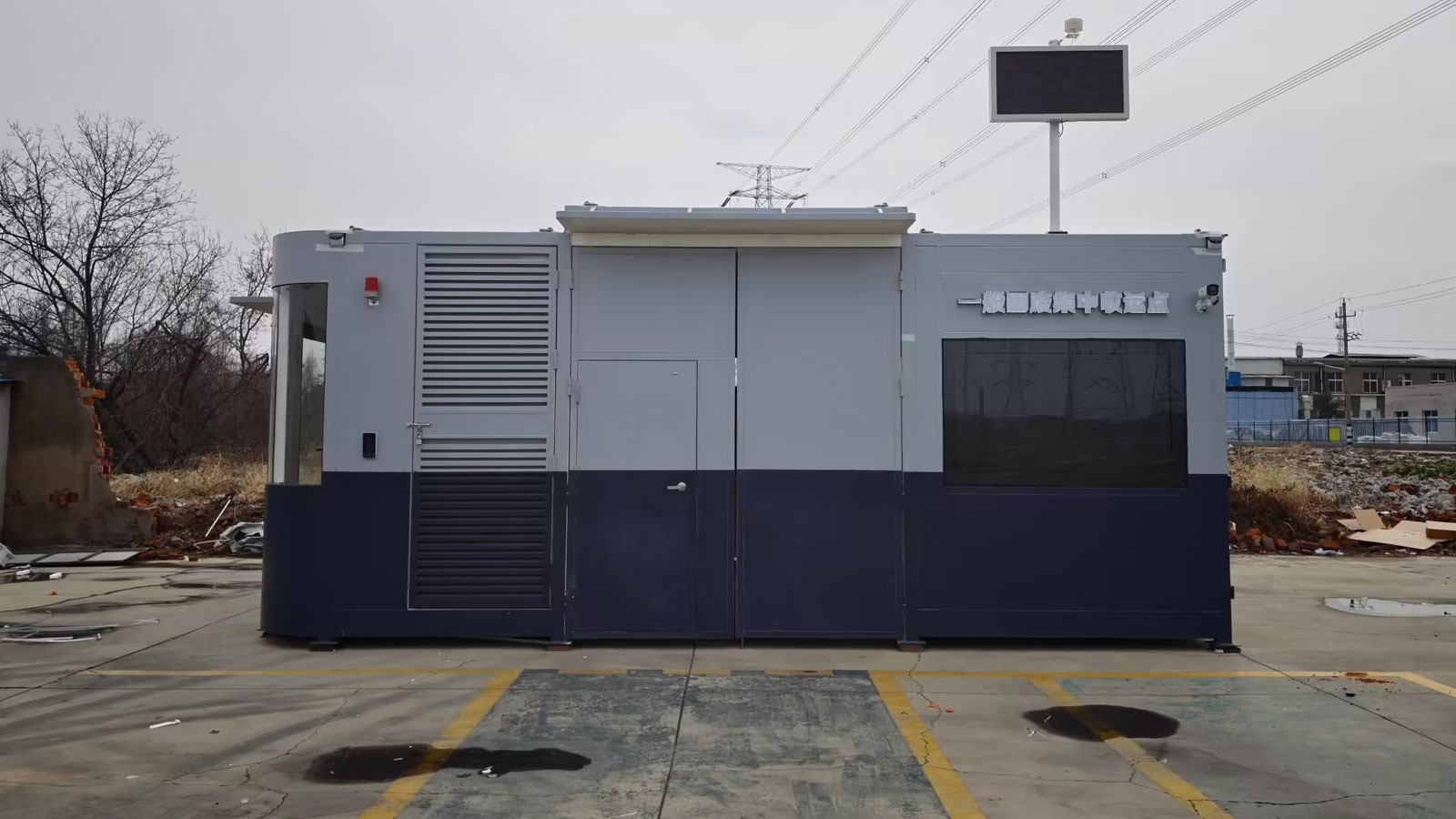
Built by Shanghai DeSUN ECOTECH CO., Ltd, the centralized collection and transfer station for general solid waste deeply integrates standardization and intelligence, connects the entire disposal process, and provides enterprises with efficient and compliant integrated solutions.
1. DeSUN ECOTECH Centralized Collection and Transfer Station: Dual Empowerment of Standardization and Intelligence
As a National High-Tech Enterprise, Shanghai DeSUN ECOTECH CO., Ltd has been deeply engaged in the environmental protection industry for many years. Its centralized collection and transfer station for general solid waste relies on advanced German structural design and local Internet of Things (IoT) technology to build a standardized management and control system, becoming the core hub of solid waste disposal. The station adopts a modular integrated cabin design, scientifically divides office and temporary storage areas, strictly follows relevant national standards, and comprehensively upgrades from hardware to management, completely changing the messy and weak management status of traditional collection and transfer stations.
2. Connecting Source Classification: Building the First Line of Defense for Solid Waste Disposal
The DeSUN collection and transfer station plays a key connecting role in the source classification and collection of solid waste. After enterprises generate solid waste, they first determine its properties, exclude hazardous waste and domestic waste, classify it into categories such as recyclable and general inert waste, and then transport it to this station. The station is equipped with special airtight containers to realize separate storage with strict prohibition of mixed storage. It prevents the scattering and loss of solid waste through measures such as capping and bagging, reduces environmental risks from the source, and meets the core requirements of classified collection.
3. Pretreatment and Temporary Storage: Intelligent Management and Control to Ensure Compliance
In the pretreatment and temporary storage links, the DeSUN collection and transfer station highlights its intelligent advantages. It is equipped with a triple protection system integrating temperature collection, smoke detection and intelligent fire protection, combined with face recognition and full-area monitoring to achieve dead-angle-free management and control. It is also equipped with equipment such as baling compressors and screening machines to reduce the volume of loose solid waste and improve the quality of construction material solid waste, laying a foundation for subsequent transportation and utilization. At the same time, it implements the "four-prevention" requirements, with hardened ground and diversion ditches, and complete and traceable ledger records to ensure compliant temporary storage.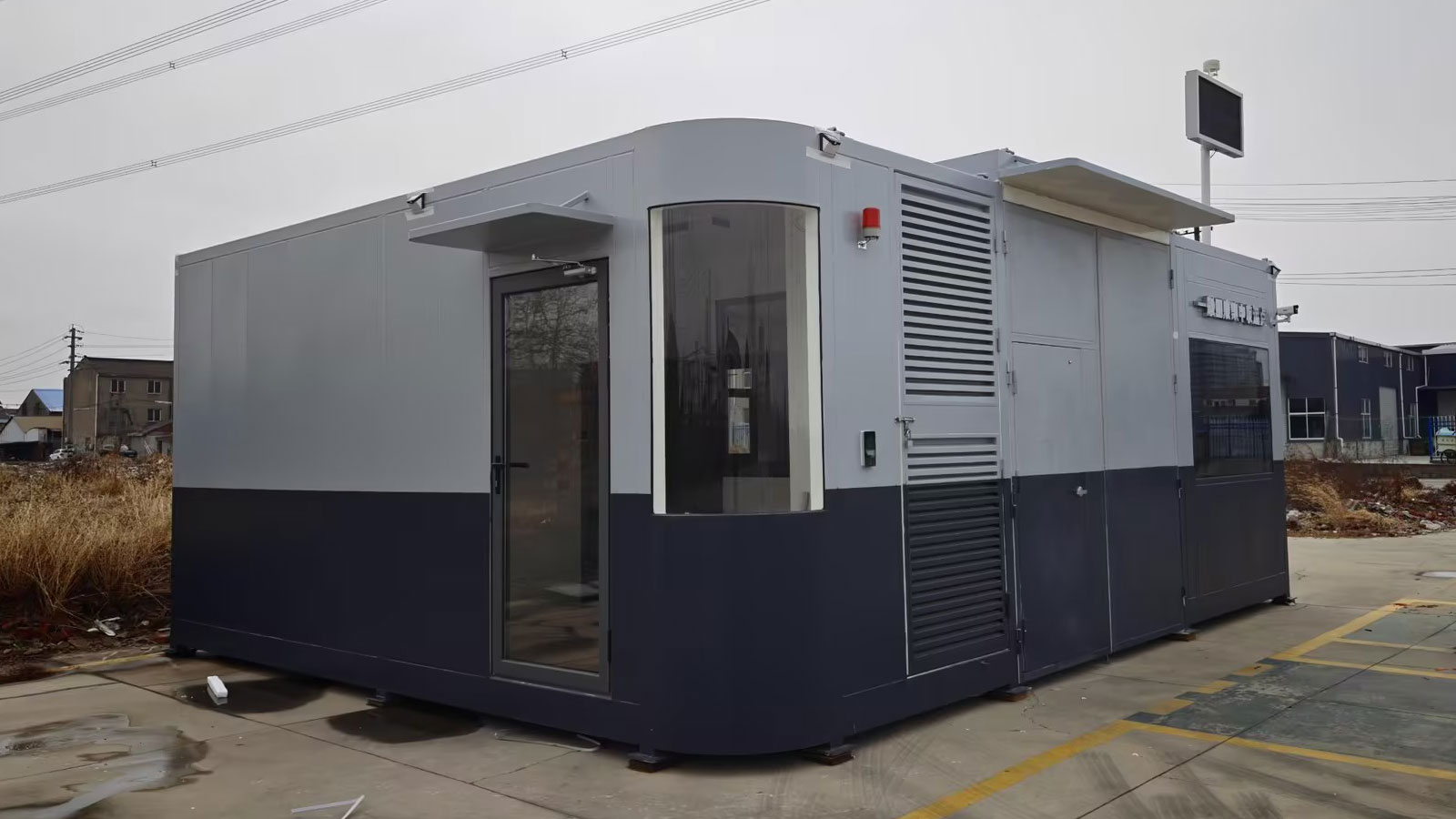
4. Closed-loop Connection: Connecting the Entire Process of Collection, Transportation and Disposal
In terms of transportation and subsequent disposal, the DeSUN collection and transfer station builds an efficient closed loop. It entrusts compliant transportation units equipped with "three-prevention" special vehicles to realize airtight transfer, and keeps complete ledger records throughout the process to eliminate illegal acts. For recyclable solid waste, it connects with resource utilization channels to realize circular utilization; for solid waste with no utilization value, it transports it to formal harmless disposal sites, realizing seamless connection between "collection and transportation - disposal" and practicing the principle of priority of resource utilization.
5. Value Empowerment: Helping Enterprises Achieve Compliance and Promote Green Development of the Industry
As an advanced technology unit in the construction of "Zero-Waste Cities", the DeSUN collection and transfer station not only meets the compliance needs of enterprises but also reduces costs and improves efficiency through intelligent management. Its perfect ledger and reporting mechanism automatically records solid waste-related information and retains it for more than 3 years, helping enterprises complete environmental protection declarations. Relying on the advantages of Sino-German cooperation, DeSUN integrates advanced technology with local needs, provides reliable collection and transportation solutions for multiple industries, and helps the industry achieve green and sustainable development.
In summary, the DeSUN ECOTECH centralized collection and transfer station for general solid waste is not simply a collection and transportation transfer hub, but a core node running through the entire process of general industrial solid waste disposal. It builds the compliance bottom line with standardization, improves disposal efficiency with intelligence, and connects all links including source classification, pretreatment, transportation, resource utilization and harmless disposal. It not only helps enterprises avoid environmental risks and reduce operating costs but also injects impetus into the construction of "Zero-Waste Cities" and promotes the transformation of the industrial solid waste disposal industry towards standardization, greenization and high efficiency.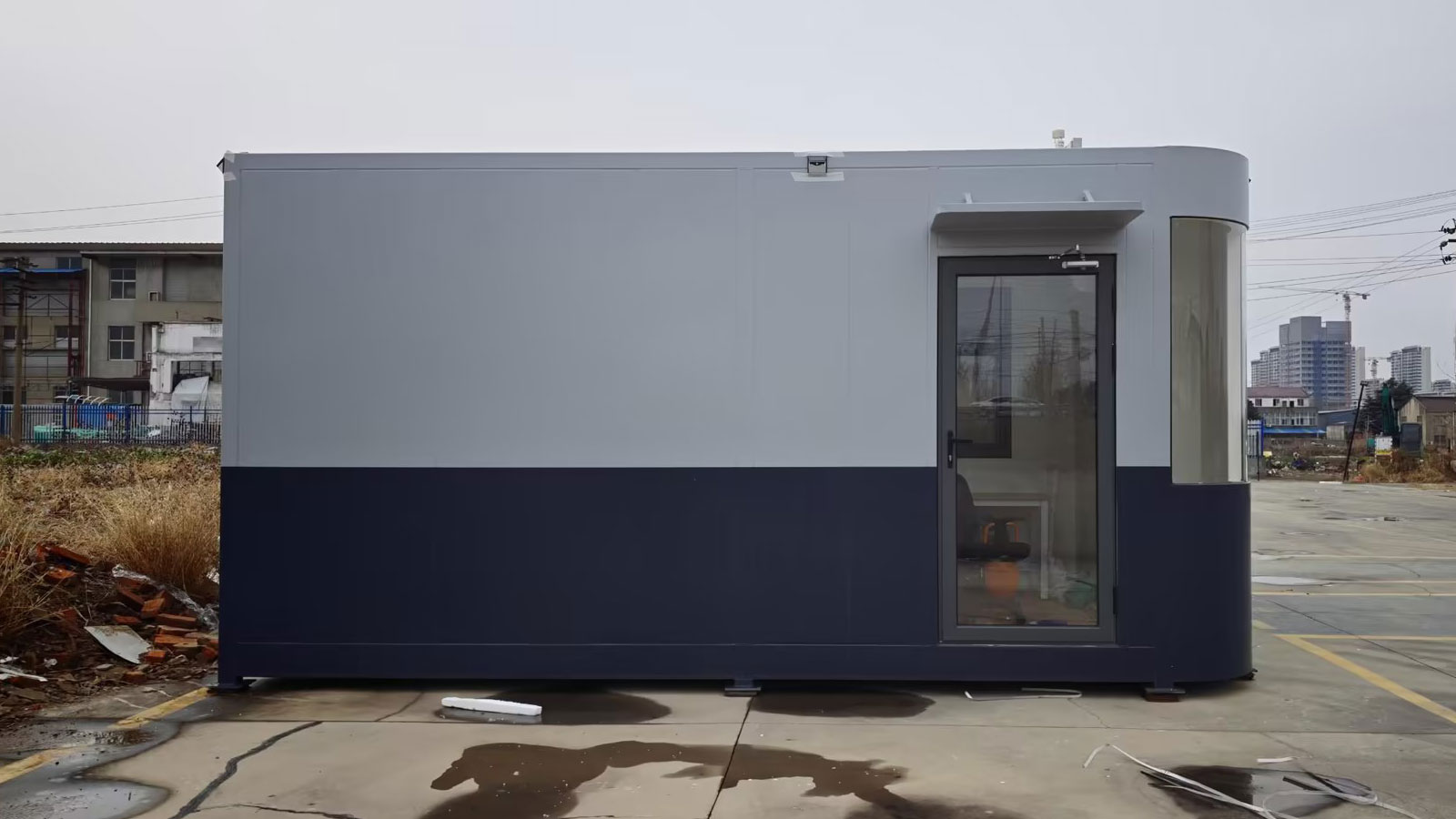
Notes
According to the Catalogue of Solid Waste Classification and Codes (Announcement No. 4 of 2024) issued by the Ministry of Ecology and Environment (MEE), the list of general industrial solid waste includes smelting slag, fly ash, furnace slag, coal gangue, tailings, desulfurization gypsum, sludge, red mud, phosphogypsum, other industrial by-product gypsum, drilling cuttings, food residues, textile and leather waste, paper-making and printing industry waste, chemical waste, renewable waste and other industrial solid waste. The specific classification and codes shall be implemented with reference to this catalogue.
The Catalogue of Solid Waste Classification and Codes is an authoritative technical specification issued by the Ministry of Ecology and Environment of China in 2024 to implement the Law of the People's Republic of China on the Prevention and Control of Solid Waste Pollution. It adopts a "five major categories and three-level classification" system, dividing solid waste into 5 major categories: industrial solid waste, domestic waste, construction waste, agricultural solid waste and other solid waste, among which industrial solid waste is further subdivided into dozens of subcategories. General industrial solid waste specifically refers to solid waste generated in industrial production activities that does not belong to hazardous waste, and its specific classification and codes are clearly stipulated in the "Industrial Solid Waste" part of this catalogue.
 New
New
- 1 Choosing the Right Hazardous Waste Temporary Storage Cabinet Is Only the First Step; Poor Daily Management Still Fails Environmental Protection Inspections 2026-09-16
- 2 DeSUN ECOTECH Intelligent Battery Storage Cabinets Enter German Market; One-Stop Delivery Reinforces Battery Safety Defense 2026-09-09
- 3 New Specifications for Gas Cylinder Storage: Analysis of Intelligent Explosion-Proof Solutions for Both Indoor and Outdoor Scenarios 2026-09-02
- 4 30 Sets of Customized Non-Standard Hazardous Waste Containers Exported to Kazakhstan: Why DeSUN ECOTECH Earns Trust? 2026-08-27
- 5 DeSUN ECOTECH Flammable Liquid Safety Storage Cabinet Passes SGS 90-Minute Fire Test and Earns Type 90 Certification 2026-08-19
 Hot
Hot
- 1 Intelligent Environmental Protection: What Makes a Good Hazardous Waste Temporary Storage Cabinet? DeSUN ECOTECH Provides the Answer 2026-04-15
- 2 Hazardous Waste and General Solid Waste: Comprehensive Analysis of Identification Standards, Treatment Methods and DeSUN ECOTECH Solutions 2026-04-09
- 3 Hazardous Chemicals and Hazardous Waste Temporary Storage Cabinets: How to Choose the Right "Safety Steward"? A Comprehensive Guide to Differences and Selection 2026-04-22
- 4 Safety Standards for Outdoor Gas Cylinder Cabinets: Multi-dimensional Environmental Protection to Build a Strong Defense Line for Outdoor Storage Safety 2026-02-26
- 5 Shanghai DeSUN ECOTECH CO., Ltd – Selected as a 2025 Shanghai "Specialized, Refined, Differential and Innovative (SRDI)" Small and Medium-sized Enterprise 2025-09-04


- About Us Company Profile Corporate Culture Corporate Awards
- Solutions Hazardous Waste Storage Solutions Hazardous Chemical Storage Solutions Gas Cylinder Storage Solutions Battery Storage, Transfer, and Charging Solutions Intelligent Transfer Solutions
- Products Hazardous Waste Storage Cabinets Hazardous Chemical Storage Cabinets Intelligent Gas Cylinder Storage Cabinets Intelligent Battery Storage Cabinets Intelligent Transfer Containers More Products
-
Customer Cases
By Product
Category - News Corporate News Industry News
- Contact Us Contact Us
 沪公网安备31011402021669号
-
 Online Message


- Online Message