

 CN
CN


Hazardous waste temporary storage cabinets are the first line of defense for preventing and controlling hazardous waste pollution and avoiding safety risks, and classified storage is the "core password" of this defense line. Disordered classification and chaotic storage will not only make the temporary storage cabinets lose their protective significance, but also may lead to safety accidents and violate environmental protection red lines.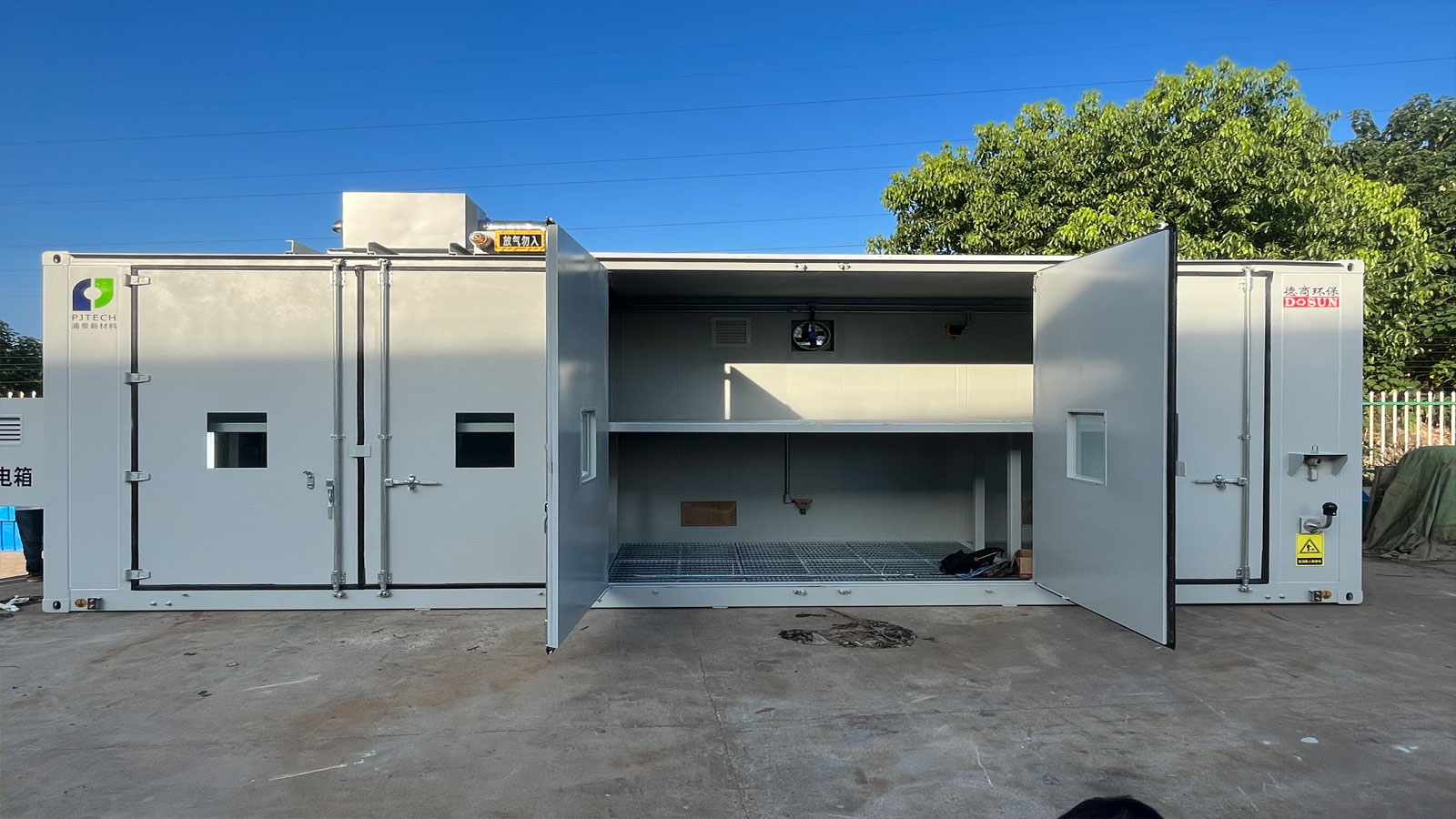
Only by clarifying the necessity of classified storage, mastering the implementation paths and correct methods can the hazardous waste temporary storage link be compliant, orderly, safe and controllable.
The necessity of classified storage in hazardous waste temporary storage cabinets is reflected in three indispensable dimensions.
First, it protects personal and environmental safety. Mixed storage of acidic and alkaline hazardous waste will produce toxic gases, and coexistence of flammable and oxidizing hazardous waste is prone to cause combustion and explosion. Classification can eliminate such hidden dangers from the source.
Second, it ensures compliant operation. Complying with the Standard for Pollution Control on Hazardous Waste Storage (GB 18597-2023) can avoid enterprises from facing administrative penalties.
Third, it facilitates subsequent disposal. Classified storage facilitates the traceability and transportation of hazardous waste, improves disposal efficiency and reduces secondary pollution.
To realize classified storage in hazardous waste temporary storage cabinets, it is necessary to build a dual support of "hardware + system" and implement precise measures.
In terms of hardware, temporary storage cabinets shall be divided into zones according to the characteristics of hazardous waste. Corrosion-resistant zones are specially used for storing acid and alkali wastes, and explosion-proof and temperature-insulated zones are used for storing flammable and volatile wastes. Each zone shall be provided with exclusive signs indicating the waste category, hazardous characteristics and storage requirements, and equipped with anti-leakage facilities such as anti-seepage trays and sealing covers.
In terms of system, establish a classified management system, clarify dedicated personnel in charge, standardize the classification process, and carry out regular inspection and maintenance.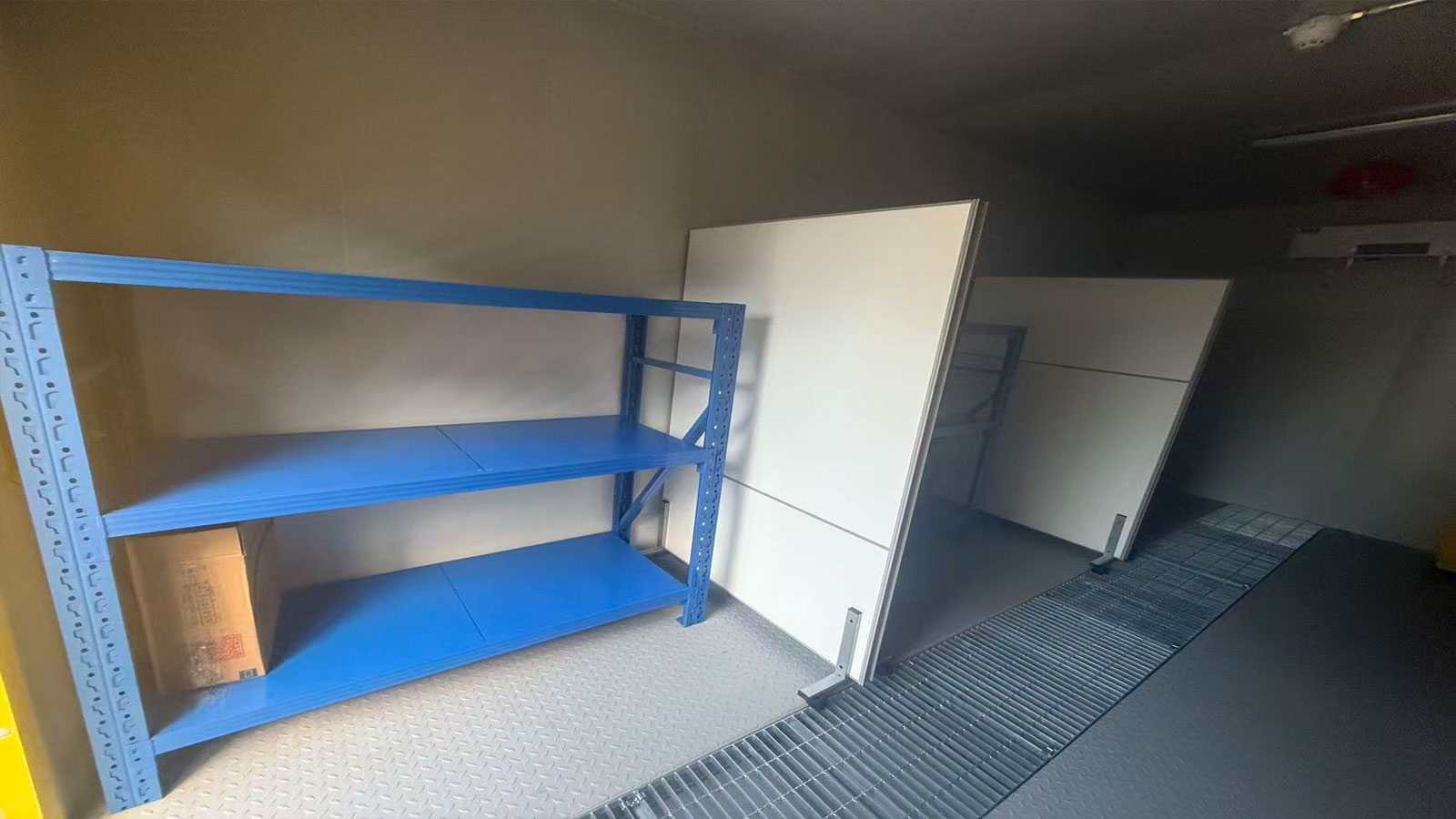
To correctly carry out classified storage, it is necessary to follow the three-step criterion of "accurate identification, scientific classification and standardized placement", and none of the steps can be omitted.
The first step is accurate identification. In accordance with the National Catalogue of Hazardous Wastes, clarify the category and hazardous characteristics of hazardous waste to avoid misjudgment and mixed storage.
The second step is scientific classification. In accordance with the principle of "concentrating the same kind and isolating different kinds", group hazardous wastes with the same characteristics into one category, and strictly prohibit mixed storage of hazardous wastes with different hazardous characteristics.
The third step is standardized placement. Put hazardous waste into standard-compliant sealed containers, paste standardized labels, and then accurately place them into the temporary storage cabinets in the corresponding zones.
Detail control is the key to the effective implementation of classified storage.
During storage, the stock and storage duration of each type of hazardous waste shall be strictly controlled, and over-quantity and over-time storage is strictly prohibited. Operators shall take personal protection measures and standardize the operation process to avoid illegal placement and handling.
At the same time, regularly check the zone signs and sealing performance of temporary storage cabinets, and timely investigate hidden dangers such as leakage and mixed storage to ensure the normalization and standardization of classified storage.
Classified storage of hazardous waste is never a simple matter of "dividing zones and arranging neatly", but a respect for safety, a commitment to environmental protection, and also the "responsibility and perseverance" emphasized in the national college entrance examination composition.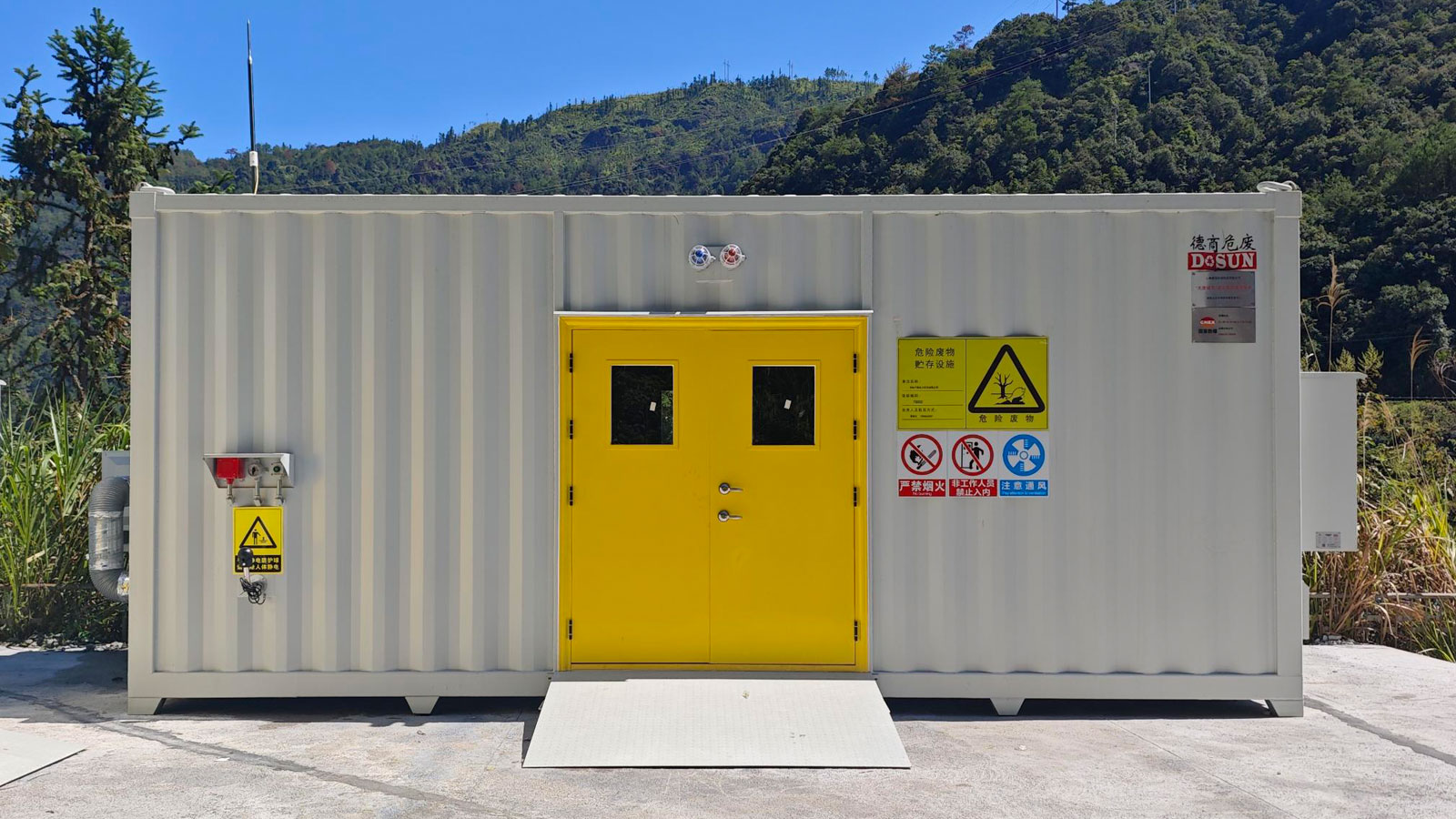
Only by engraving the classification requirements in the heart and practicing them, clarifying the necessity, mastering the implementation methods and abiding by the correct processes can we hold the safety bottom line of hazardous waste temporary storage, protect the ecological environment and personal safety, and ensure that every piece of hazardous waste can be disposed of in a standardized manner.
 New
New
- 1 Choosing the Right Hazardous Waste Temporary Storage Cabinet Is Only the First Step; Poor Daily Management Still Fails Environmental Protection Inspections 2026-09-16
- 2 DeSUN ECOTECH Intelligent Battery Storage Cabinets Enter German Market; One-Stop Delivery Reinforces Battery Safety Defense 2026-09-09
- 3 New Specifications for Gas Cylinder Storage: Analysis of Intelligent Explosion-Proof Solutions for Both Indoor and Outdoor Scenarios 2026-09-02
- 4 30 Sets of Customized Non-Standard Hazardous Waste Containers Exported to Kazakhstan: Why DeSUN ECOTECH Earns Trust? 2026-08-27
- 5 DeSUN ECOTECH Flammable Liquid Safety Storage Cabinet Passes SGS 90-Minute Fire Test and Earns Type 90 Certification 2026-08-19
 Hot
Hot
- 1 Intelligent Environmental Protection: What Makes a Good Hazardous Waste Temporary Storage Cabinet? DeSUN ECOTECH Provides the Answer 2026-04-15
- 2 Hazardous Waste and General Solid Waste: Comprehensive Analysis of Identification Standards, Treatment Methods and DeSUN ECOTECH Solutions 2026-04-09
- 3 Hazardous Chemicals and Hazardous Waste Temporary Storage Cabinets: How to Choose the Right "Safety Steward"? A Comprehensive Guide to Differences and Selection 2026-04-22
- 4 Safety Standards for Outdoor Gas Cylinder Cabinets: Multi-dimensional Environmental Protection to Build a Strong Defense Line for Outdoor Storage Safety 2026-02-26
- 5 Shanghai DeSUN ECOTECH CO., Ltd – Selected as a 2025 Shanghai "Specialized, Refined, Differential and Innovative (SRDI)" Small and Medium-sized Enterprise 2025-09-04



- About Us Company Profile Corporate Culture Corporate Awards
- Solutions Hazardous Waste Storage Solutions Hazardous Chemical Storage Solutions Gas Cylinder Storage Solutions Battery Storage, Transfer, and Charging Solutions Intelligent Transfer Solutions
- Products Hazardous Waste Storage Cabinets Hazardous Chemical Storage Cabinets Intelligent Gas Cylinder Storage Cabinets Intelligent Battery Storage Cabinets Intelligent Transfer Containers More Products
-
Customer Cases
By Product
Category - News Corporate News Industry News
- Contact Us Contact Us
 沪公网安备31011402021669号
-
 Online Message


- Online Message