

 CN
CN


The implementation of the National Hazardous Waste List (2025 Edition) marks China's entry into a new era of hazardous waste management, characterized by the equal emphasis on "precision, intelligence, and greenness." This revision is not only an optimization and upgrade of the environmental protection supervision system but also puts forward systematic and refined new requirements for all links of hazardous waste management.
As a key node in the generation, collection, and transfer of hazardous waste, the design, functions, and operation modes of hazardous waste temporary storage cabinets are deeply integrated with the new rules of the List, evolving synergistically to build a full-chain barrier from source prevention to safe storage.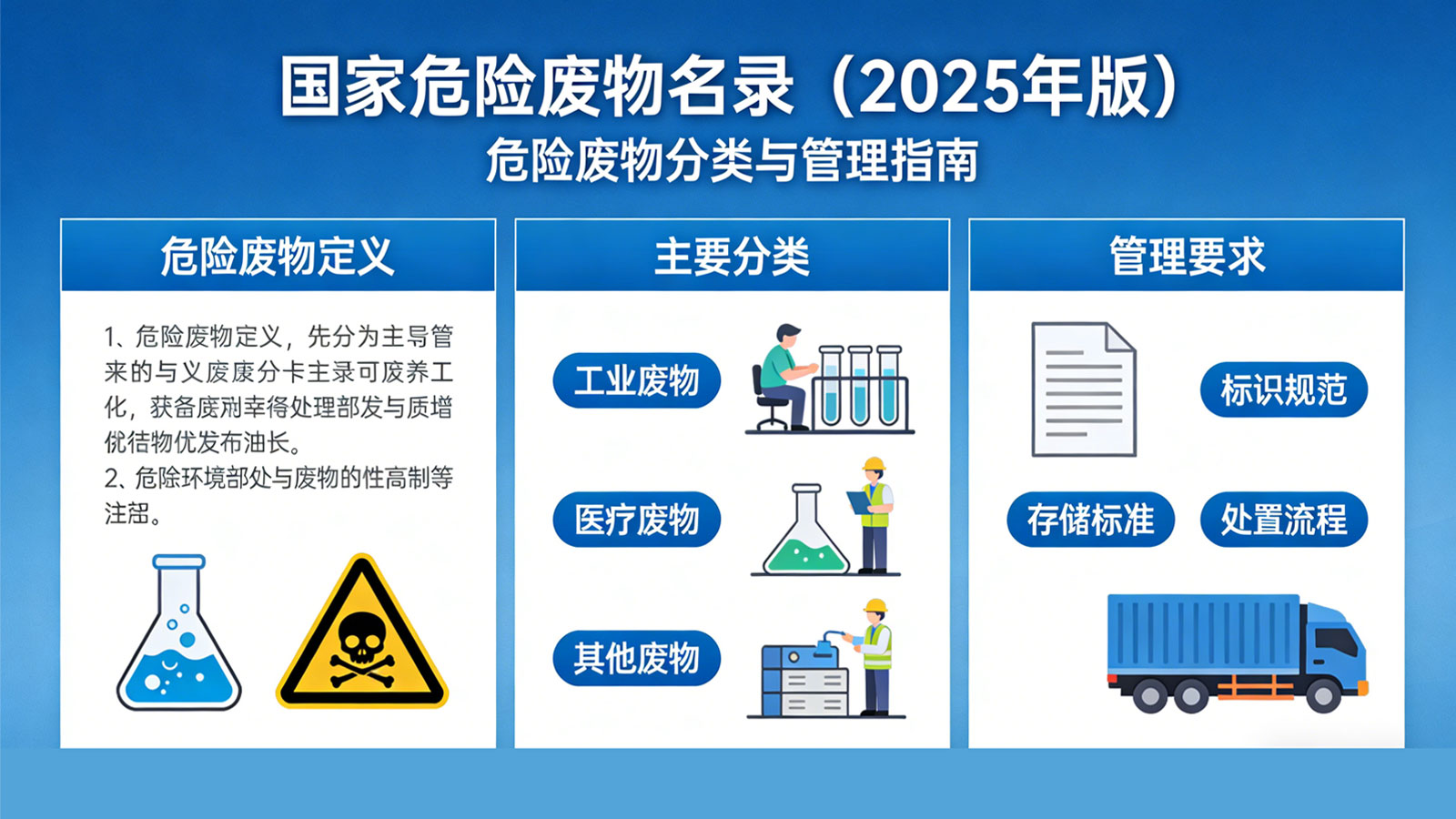
I. Refined Classification Drives "One Policy per Item" Design of Temporary Storage Cabinets
The 2025 Edition of the List significantly refines the classification of hazardous waste, adding multiple entries for specific industries and substances, such as tin smelting flue gas treatment dust and mercury-containing non-electronic measuring instruments. This promotes the transformation of hazardous waste management from "extensive classification" to "precise identification." This change directly drives the upgrade of hazardous waste temporary storage cabinets toward "characteristic adaptation."
Different types of hazardous waste require corresponding differentiated storage solutions: acidic waste needs corrosion-resistant lining containers, flammable liquid storage areas must be equipped with anti-static grounding and combustible gas monitoring, and reactive waste should be stored in isolation with temperature and humidity control.
This three-in-one matching model of "waste characteristics - storage containers - environmental control" greatly reduces the risk of chemical reactions or leaks caused by mixed storage, and also transforms temporary storage cabinets from general equipment to professional, modular systems.
II. Technical Upgrades of Temporary Storage Cabinets Under the Dual-Track Compliance System
The List and the Pollution Control Standards for Hazardous Waste Storage form a "dual-track constraint" for hazardous waste management, strengthening hard requirements for the performance and operation of temporary storage cabinets. Corrosion resistance, leak prevention, sealing, and ventilation have become the four core indicators, and the new labeling management must be implemented simultaneously.
In practice, many enterprises have upgraded the ventilation systems of their temporary storage cabinets, integrating activated carbon adsorption, UV photolysis, or catalytic combustion units for tail gas treatment, making the emission concentration of volatile organic compounds far below the limit value. This not only meets compliance requirements but also reduces the pressure of end-of-pipe treatment.
In addition, designs such as leak-proof trays, double-layer cabinet bodies, and automatic door-closing devices have become standard configurations for temporary storage cabinets in high-risk industries, forming a full-cycle compliance closed loop of "design - operation - monitoring."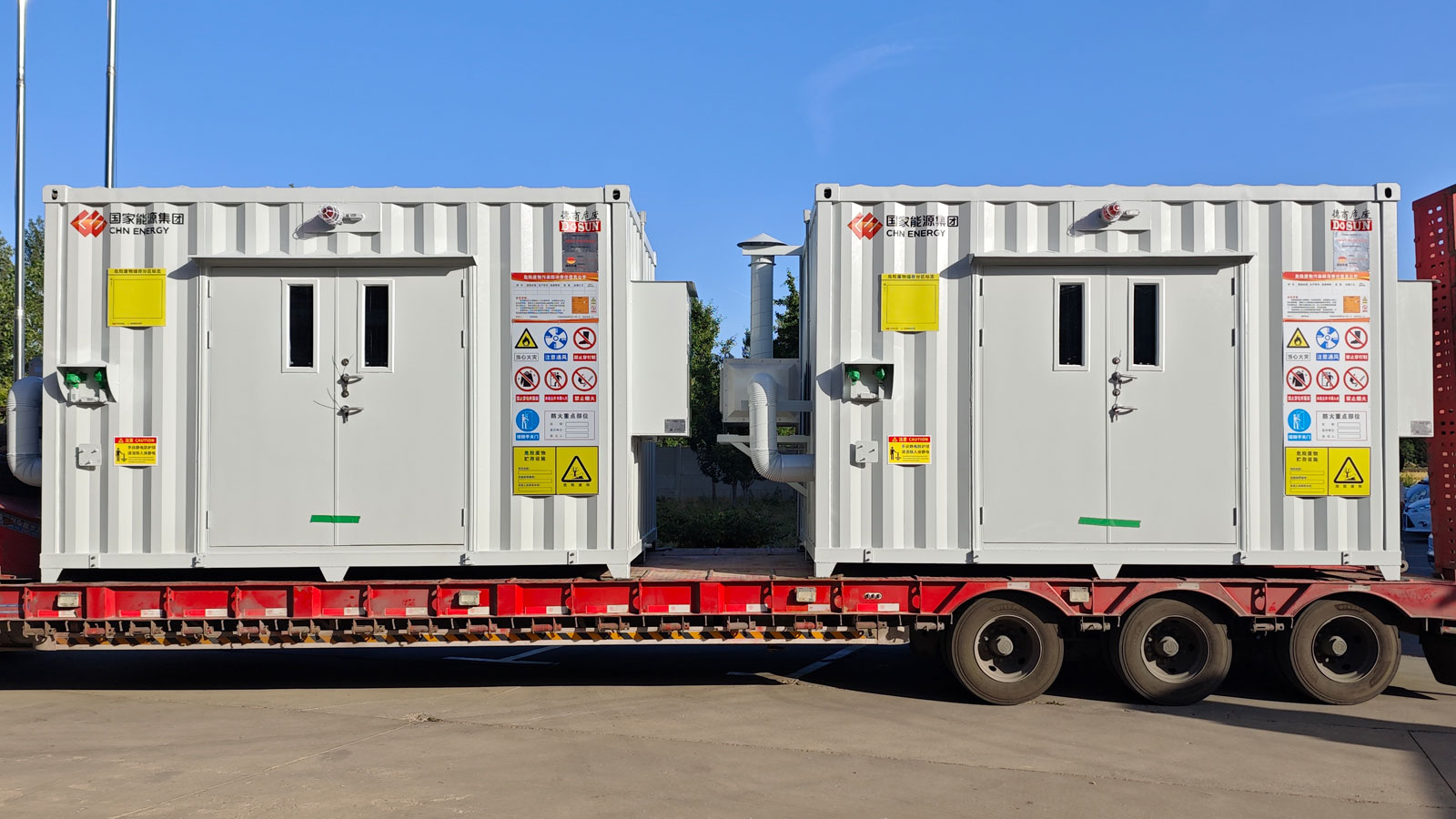
III. Intelligent Empowerment: From Passive Storage to Dynamic Management
The application of Internet of Things (IoT) and sensor technology has transformed temporary storage cabinets from static storage units into dynamic management nodes. Smart temporary storage cabinet systems integrate weighing, RFID identification, QR code traceability, and environmental sensors to collect real-time data on hazardous waste input volume, storage conditions, and output flow, and automatically generate electronic ledgers. Once abnormal temperature and humidity, leaks, or excessive gas concentrations are detected, the system immediately triggers audible and visual alarms and pushes information to managers.
For example, pharmaceutical enterprises have deployed smart temporary storage cabinets to achieve full-process tracking of different types of waste solvents, significantly reducing ledger recording errors and illegal transfer risks. This integration of "hardware + software + data" promotes the transformation of hazardous waste management from manual supervision to intelligent decision-making.
IV. Green Transformation: Temporary Storage Cabinets Become Part of the Circular Economy
The 2025 Edition of the List further strengthens the orientation towards hazardous waste reduction and resource utilization, and temporary storage cabinets have accordingly been endowed with green connotations. Measures such as using recyclable materials to manufacture cabinet bodies, optimizing insulation and ventilation systems to reduce energy consumption, and promoting reusable turnover containers are gradually becoming industry consensus.
For instance, electronic enterprises use stainless steel sealed tanks instead of disposable packaging barrels to store waste solvents, reducing plastic waste generation; another park uses built-in cooling systems in temporary storage cabinets to reduce the volatilization of waste chemicals, simultaneously reducing material loss and air pollution. Thus, temporary storage cabinets are no longer just pollution prevention facilities but have become key nodes linking reduction, safe storage, and resource reuse.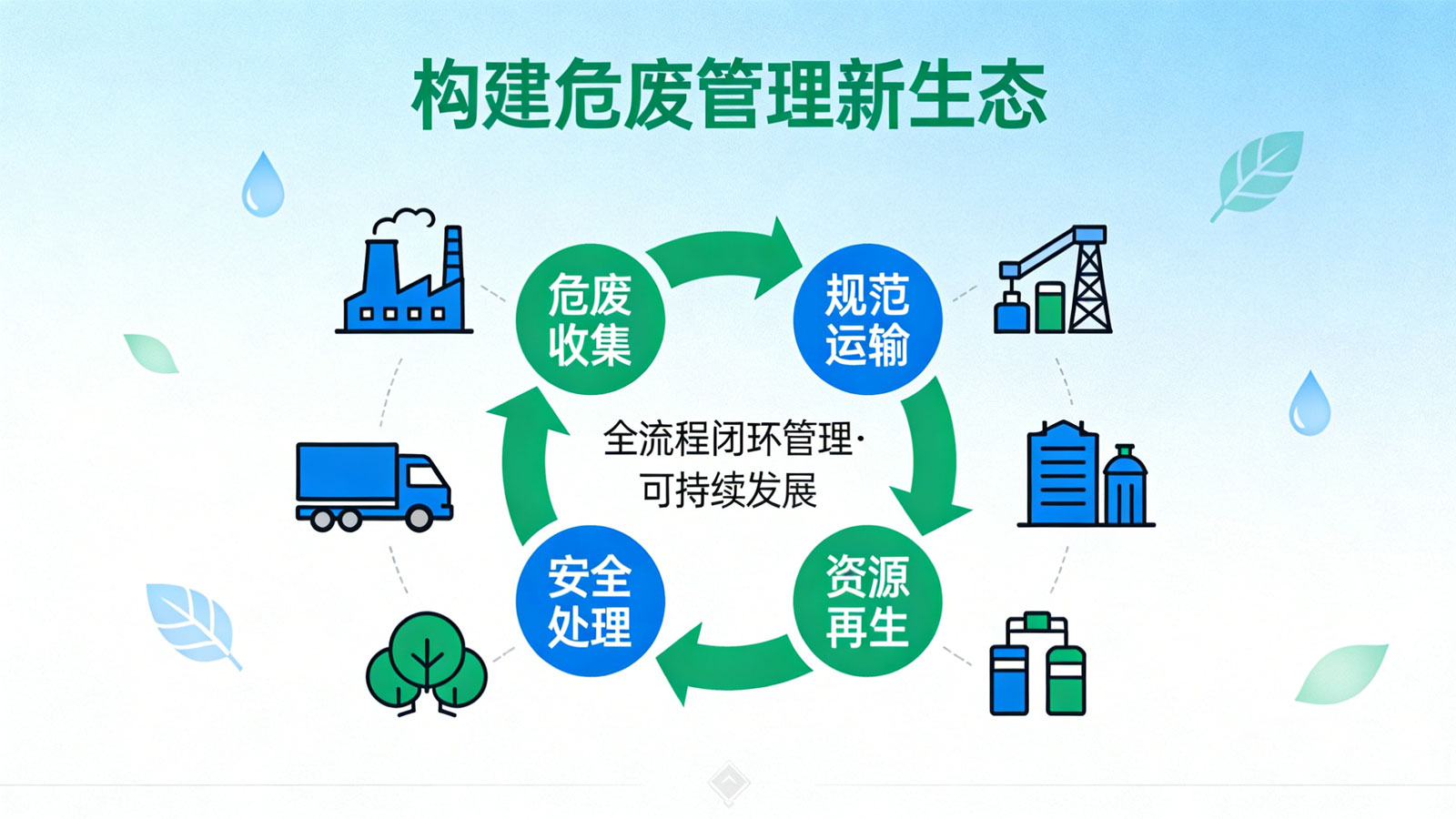
V. Collaborative Progress: Building a New Ecosystem for Hazardous Waste Management
The co-evolution of the List and temporary storage cabinets is essentially a two-way mutual promotion between policy guidance and technological response. The List provides a management framework and detailed requirements, while temporary storage cabinets implement these through continuous innovation. Together, they promote the development of the hazardous waste management system toward a more scientific, efficient, and sustainable direction.
In the future, with the dynamic update of the List and technological progress, temporary storage cabinets will further integrate elements such as AI recognition, automated sorting, and low-carbon materials to achieve more precise classified storage, lower operational carbon footprints, and smarter risk warnings.
In this process, enterprises need to proactively internalize the requirements of the List into management standards and rely on upgrades to facilities such as temporary storage cabinets to build a full-life-cycle hazardous waste prevention and control system. Only through the deep integration of policy, technology, and practice can we truly build a solid environmental risk defense line and inject lasting and strong impetus into ecological civilization and the construction of a beautiful China.
 New
New
- 1 Choosing the Right Hazardous Waste Temporary Storage Cabinet Is Only the First Step; Poor Daily Management Still Fails Environmental Protection Inspections 2026-09-16
- 2 DeSUN ECOTECH Intelligent Battery Storage Cabinets Enter German Market; One-Stop Delivery Reinforces Battery Safety Defense 2026-09-09
- 3 New Specifications for Gas Cylinder Storage: Analysis of Intelligent Explosion-Proof Solutions for Both Indoor and Outdoor Scenarios 2026-09-02
- 4 30 Sets of Customized Non-Standard Hazardous Waste Containers Exported to Kazakhstan: Why DeSUN ECOTECH Earns Trust? 2026-08-27
- 5 DeSUN ECOTECH Flammable Liquid Safety Storage Cabinet Passes SGS 90-Minute Fire Test and Earns Type 90 Certification 2026-08-19
 Hot
Hot
- 1 Intelligent Environmental Protection: What Makes a Good Hazardous Waste Temporary Storage Cabinet? DeSUN ECOTECH Provides the Answer 2026-04-15
- 2 Hazardous Waste and General Solid Waste: Comprehensive Analysis of Identification Standards, Treatment Methods and DeSUN ECOTECH Solutions 2026-04-09
- 3 Hazardous Chemicals and Hazardous Waste Temporary Storage Cabinets: How to Choose the Right "Safety Steward"? A Comprehensive Guide to Differences and Selection 2026-04-22
- 4 Shanghai DeSUN ECOTECH CO., Ltd – Selected as a 2025 Shanghai "Specialized, Refined, Differential and Innovative (SRDI)" Small and Medium-sized Enterprise 2025-09-04
- 5 Safety Standards for Outdoor Gas Cylinder Cabinets: Multi-dimensional Environmental Protection to Build a Strong Defense Line for Outdoor Storage Safety 2026-02-26



- About Us Company Profile Corporate Culture Corporate Awards
- Solutions Hazardous Waste Storage Solutions Hazardous Chemical Storage Solutions Gas Cylinder Storage Solutions Battery Storage, Transfer, and Charging Solutions Intelligent Transfer Solutions
- Products Hazardous Waste Storage Cabinets Hazardous Chemical Storage Cabinets Intelligent Gas Cylinder Storage Cabinets Intelligent Battery Storage Cabinets Intelligent Transfer Containers More Products
-
Customer Cases
By Product
Category - News Corporate News Industry News
- Contact Us Contact Us
 沪公网安备31011402021669号
-
 Online Message


- Online Message