

 CN
CN


From October 15 to 17, 2025, the 5th China Petroleum and Petrochemical Health, Safety and Environmental (HSE) Technology Exchange Conference was held in Beijing. With the theme "HSE Management and Technological Innovation: Safeguarding the Green Future of the Petroleum and Petrochemical Industry", the conference focused on pain points in hazardous waste and chemical management.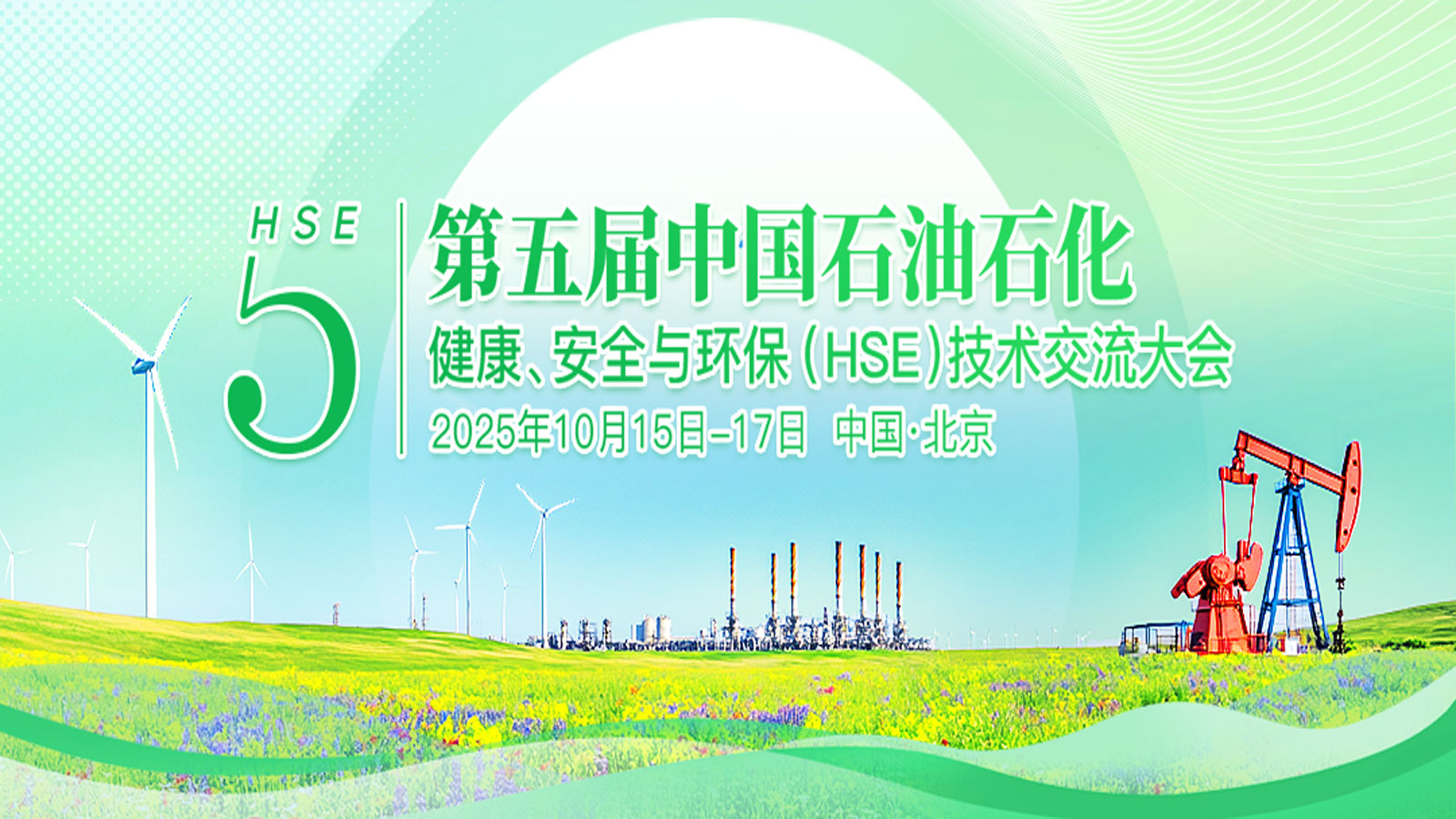
As core storage equipment, hazardous waste storage cabinets and hazardous chemical storage cabinets precisely align with the conference’s objectives and strictly comply with the Standard for Pollution Control on Hazardous Waste Storage(GB 18597-2023), providing compliant solutions for industry safety and environmental protection.
Focus on Standardized Hazardous Waste Storage
The conference highlighted challenges in standardized hazardous waste storage, particularly the implementation of GB 18597-2023 requirements such as classified storage and leak prevention.
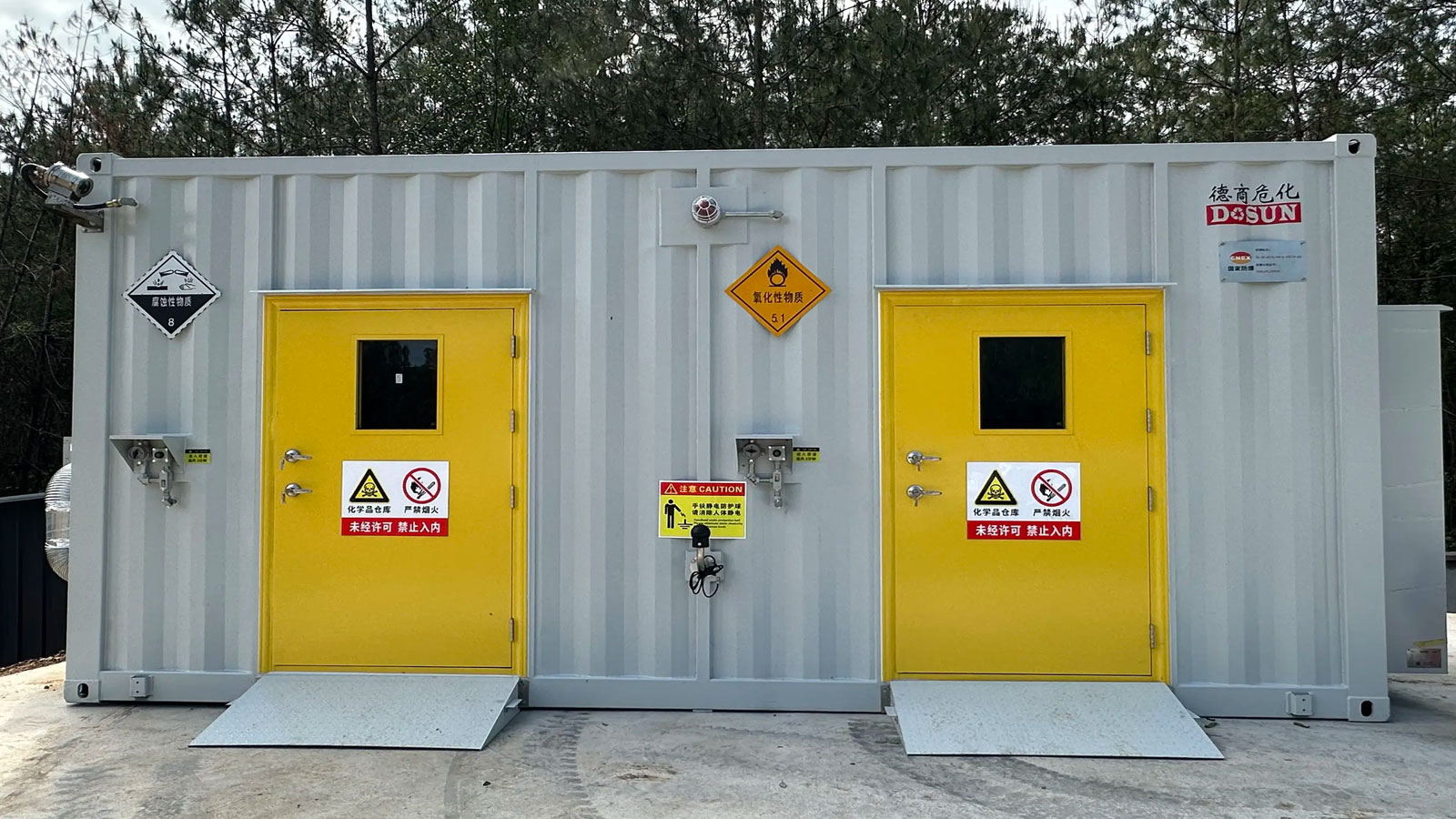
Hazardous waste storage cabinets meet standards for flammable/explosive waste via a double-layer steel plate structure, built-in fire-fighting devices, and an anti-static grounding system. They also feature a leak collection tray with a collection volume of 110% of the total capacity of the largest container inside—effectively preventing leakage of oily sludge, drilling waste liquid, and other hazardous wastes from contaminating soil and water.
To address the GB 18597-2023 mandate that "incompatible wastes shall not be mixed", cabinets support partitioned isolation design (e.g., separating oxidizers/reducers or acids/alkalis with solid walls). This fully aligns with the conference’s goal of creating "waste-free enterprises."
Risk Control for Hazardous Chemical Storage
The conference emphasized strengthening equipment and facility integrity management for hazardous chemical storage risks—an approach highly aligned with GB 18597-2023’s requirements for explosion-proofing and volatilization prevention.
Hazardous chemical storage cabinets offer customizable fire-resistant structures (regular models provide ≥2 hours of fire resistance) paired with explosion vents and static grounding devices to mitigate fire/explosion risks.
They integrate real-time VOC concentration monitoring and ventilation/filtration systems to reduce unorganized volatile gas emissions. This responds to the conference’s demand for VOC treatment in petroleum/petrochemical enterprises and complies with the Standard for Control of Unorganized Emissions of Volatile Organic Compounds(GB 37822).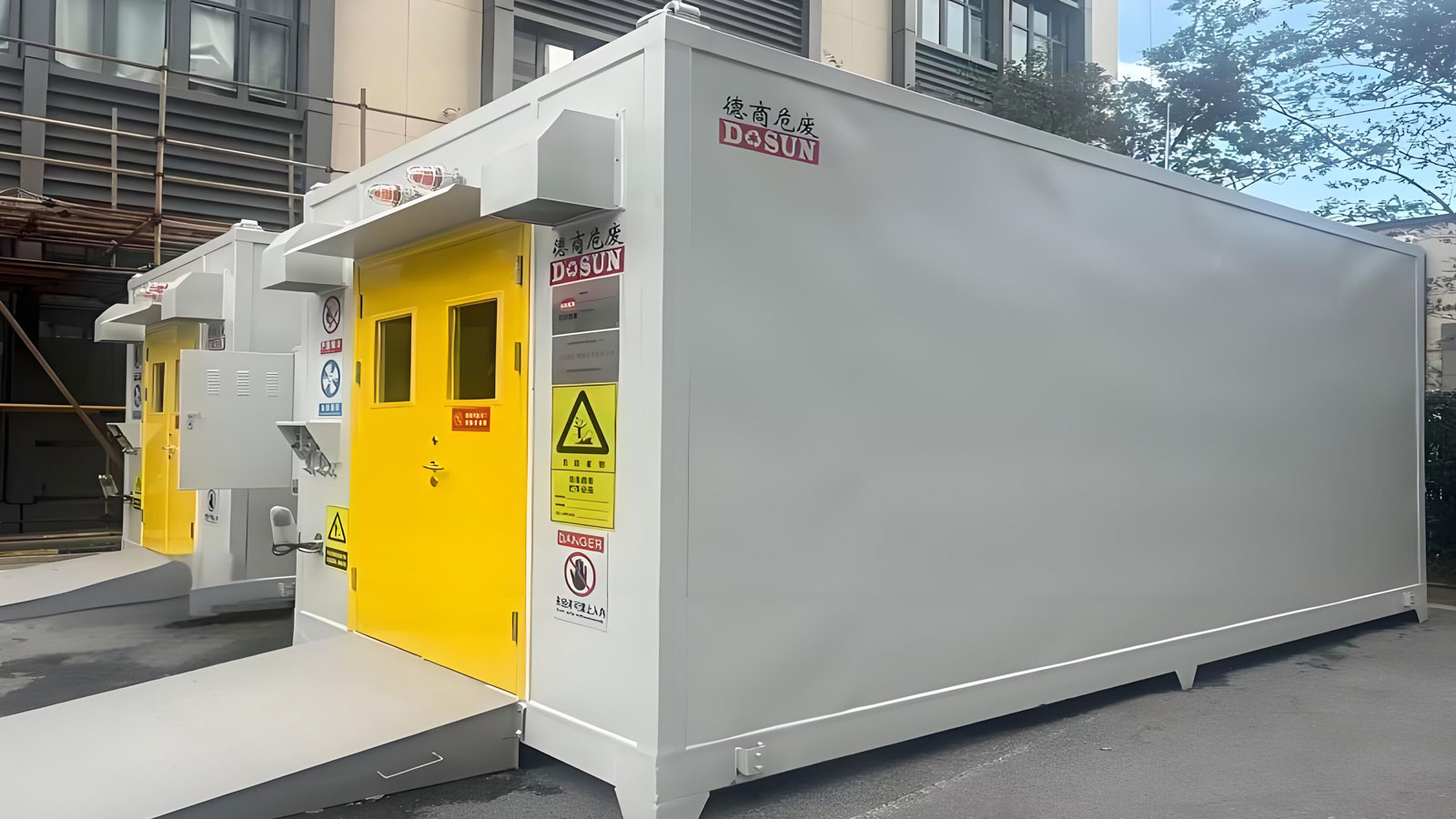
Emergency Response Capability Enhancement
The conference stressed rapid emergency response to unexpected events, for which the emergency design of both cabinet types provides strong support:
Cabinets are equipped with smoke alarms linked to explosion-proof fans, heptafluoropropane automatic fire extinguishing systems, and external protective gear (e.g., eyewash stations). These enable immediate action during leaks or fires, reducing accident escalation risks.
This design fully complies with GB 18597-2023’s "environmental emergency requirements" and aligns with the conference’s practical focus on "construction of production safety accident scenarios and emergency drills".
Digital Transformation via Customized Functions
The conference advocated for the digital transformation of "Industrial Internet + Production Safety"—a goal achievable through the cabinets’ customized features:
Cabinets can be fitted with explosion-proof cameras, remote alarm systems, and electronic ledger modules. They seamlessly integrate into enterprise HSE management platforms to enable real-time monitoring, data traceability, and abnormal early warning for hazardous waste/chemical storage.
This not only meets local policies for online hazardous waste monitoring but also facilitates the implementation of big data/AI in HSE management (a key topic raised at the conference).
Conclusion
In summary, hazardous waste and chemical storage cabinets use GB 18597-2023 as their core compliance benchmark. From four dimensions—standardized hazardous waste storage, hazardous chemical risk control, emergency response enhancement, and digital management—they provide practical solutions to the conference’s core issues. As foundational equipment for industry HSE systems, they drive the implementation of safety/environmental standards and help the petroleum/petrochemical sector achieve green, low-carbon transformation and high-quality development.
 New
New
- 1 Choosing the Right Hazardous Waste Temporary Storage Cabinet Is Only the First Step; Poor Daily Management Still Fails Environmental Protection Inspections 2026-09-16
- 2 DeSUN ECOTECH Intelligent Battery Storage Cabinets Enter German Market; One-Stop Delivery Reinforces Battery Safety Defense 2026-09-09
- 3 New Specifications for Gas Cylinder Storage: Analysis of Intelligent Explosion-Proof Solutions for Both Indoor and Outdoor Scenarios 2026-09-02
- 4 30 Sets of Customized Non-Standard Hazardous Waste Containers Exported to Kazakhstan: Why DeSUN ECOTECH Earns Trust? 2026-08-27
- 5 DeSUN ECOTECH Flammable Liquid Safety Storage Cabinet Passes SGS 90-Minute Fire Test and Earns Type 90 Certification 2026-08-19
 Hot
Hot
- 1 Intelligent Environmental Protection: What Makes a Good Hazardous Waste Temporary Storage Cabinet? DeSUN ECOTECH Provides the Answer 2026-04-15
- 2 Hazardous Waste and General Solid Waste: Comprehensive Analysis of Identification Standards, Treatment Methods and DeSUN ECOTECH Solutions 2026-04-09
- 3 Hazardous Chemicals and Hazardous Waste Temporary Storage Cabinets: How to Choose the Right "Safety Steward"? A Comprehensive Guide to Differences and Selection 2026-04-22
- 4 Safety Standards for Outdoor Gas Cylinder Cabinets: Multi-dimensional Environmental Protection to Build a Strong Defense Line for Outdoor Storage Safety 2026-02-26
- 5 Shanghai DeSUN ECOTECH CO., Ltd – Selected as a 2025 Shanghai "Specialized, Refined, Differential and Innovative (SRDI)" Small and Medium-sized Enterprise 2025-09-04



- About Us Company Profile Corporate Culture Corporate Awards
- Solutions Hazardous Waste Storage Solutions Hazardous Chemical Storage Solutions Gas Cylinder Storage Solutions Battery Storage, Transfer, and Charging Solutions Intelligent Transfer Solutions
- Products Hazardous Waste Storage Cabinets Hazardous Chemical Storage Cabinets Intelligent Gas Cylinder Storage Cabinets Intelligent Battery Storage Cabinets Intelligent Transfer Containers More Products
-
Customer Cases
By Product
Category - News Corporate News Industry News
- Contact Us Contact Us
 沪公网安备31011402021669号
-
 Online Message


- Online Message