

 CN
CN


The Winter Work Safety Guidelines for Hazardous Chemicals issued by the Beijing Municipal Emergency Management Bureau clearly point out multiple safety risks faced by enterprises in storage, control, and other links under low temperatures and severe weather conditions. If these risks are not effectively prevented and controlled, they can easily lead to accidents such as leakage, fire, and poisoning. As a dedicated front-end storage facility, the hazardous chemicals temporary storage cabinet, with its targeted design, provides convenience for enterprises to address the above problems. Both its mechanism of action and actual effectiveness comply with safety management specifications. 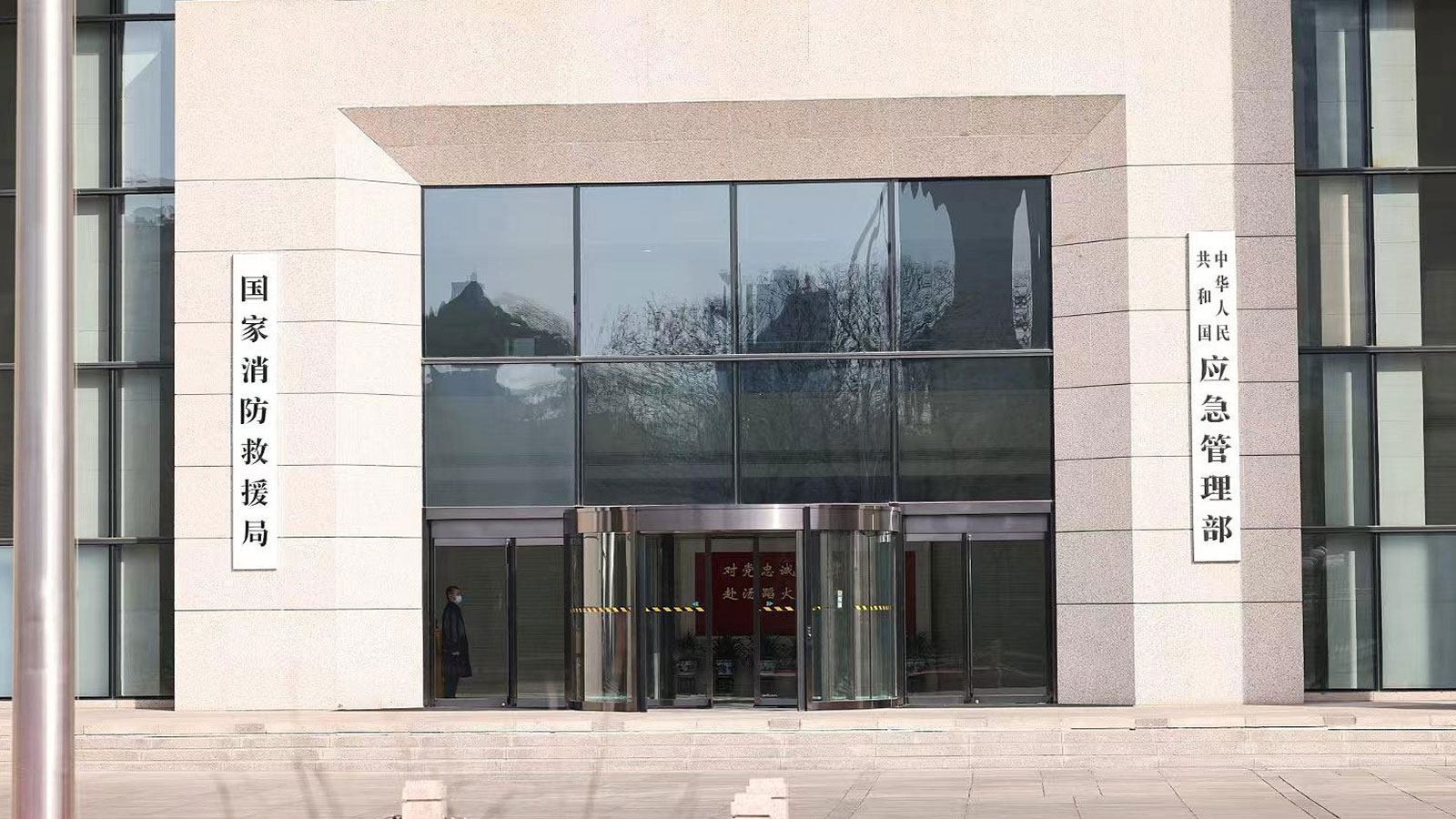
I. Core Safety Issues Clarified in the Notice of the Beijing Municipal Emergency Management Bureau
Combining the characteristics of winter climate and the actual production of enterprises, the key issues focused on in the notice include:
1. Low temperatures causing freezing and cracking or blockage of process pipelines and storage containers, and aging of seals leading to "leaks, spills, drips, and seepages";
2. Non-standard storage practices, including overstocking, illegal mixed storage, and open-air storage of hazardous chemicals susceptible to low temperatures;
3. Static electricity accumulation in flammable and explosive areas; failure of anti-static facilities may easily trigger fire and explosion accidents;
4. Insufficient ventilation in enclosed indoor storage areas, leading to the accumulation of combustible and toxic gases and increasing risks of fire, poisoning, and asphyxiation;
5. Decentralized storage making hidden danger investigation challenging and creating blind spots in the control of key parts;
6. Special operations like hot work not being effectively isolated from storage areas, resulting in risk superposition;
7. In case of decentralized storage, untimely response to sudden accidents such as leakage expands the scope of harm. 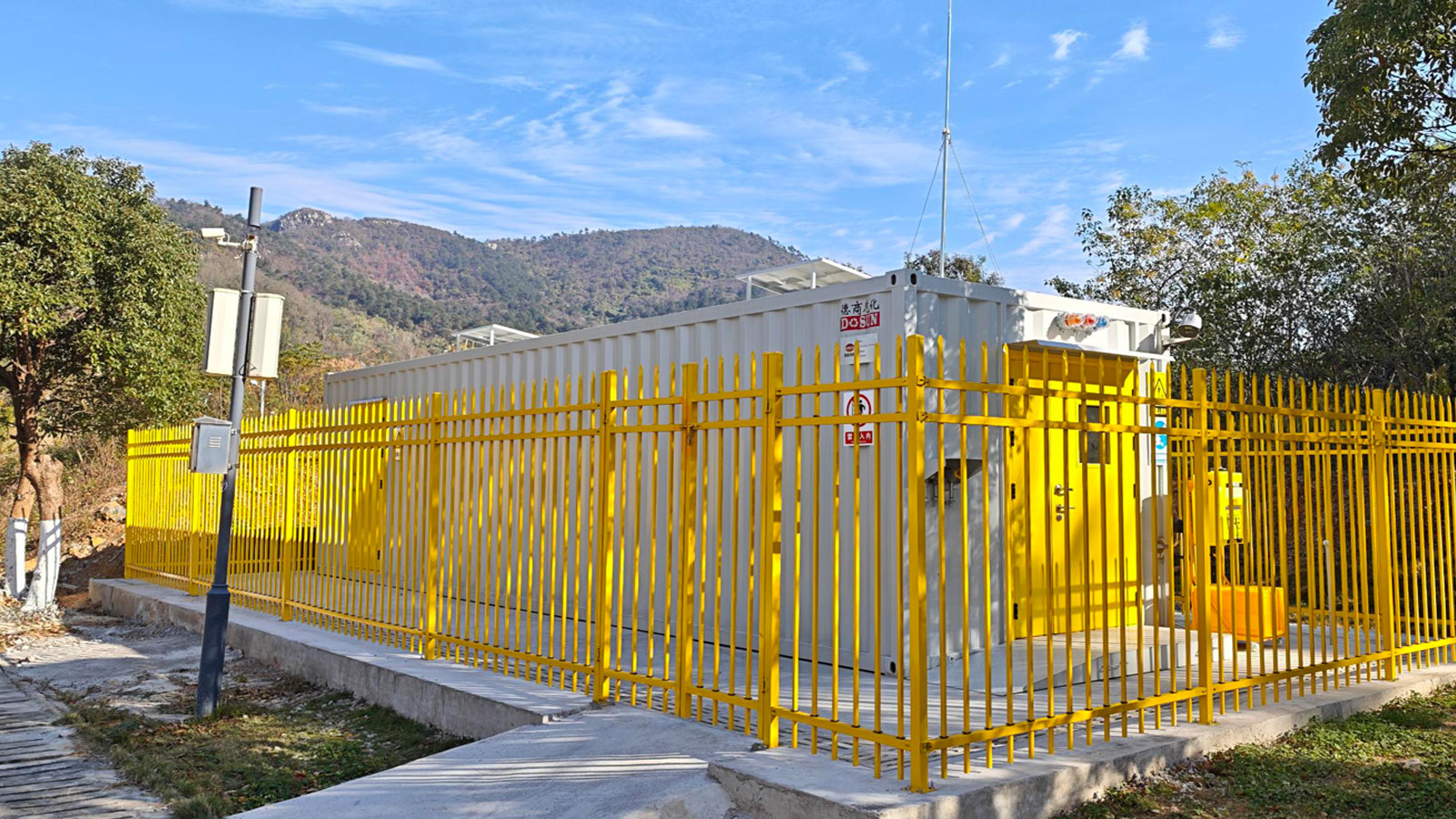
II. Application Convenience and Working Principles of Hazardous Chemicals Temporary Storage Cabinets
Application Convenience
As a front-end centralized storage facility, the temporary storage cabinet can be directly deployed near production operation areas, reducing the transportation distance and frequency of hazardous chemicals and lowering leakage risks during transportation. Its standardized design facilitates enterprises to quickly implement storage standards without large-scale renovation of existing sites. Meanwhile, the centralized management mode simplifies processes for hidden danger investigation and daily maintenance, improving safety management efficiency.
Working Principles
1. Structural Protection Principle: Made of explosion-proof, corrosion-resistant thickened steel plate material, some equipped with insulated interlayers, it can withstand the impact of low winter temperatures on storage containers, preventing container freezing and cracking. The sealed cabinet structure design reduces leakage risks caused by seal aging and avoids contact between hazardous chemicals and the external environment.
2. Classification Control Principle: The cabinet is preset with independent partitions to achieve classified storage based on the physicochemical properties (such as flammability, corrosiveness, toxicity, etc.) of hazardous chemicals, structurally preventing illegal mixed storage.
3. Capacity Limitation Principle: A fixed storage capacity is set according to standards to avoid risk superposition from overstocking. Clear capacity labels facilitate quick verification by managers.
4. Integrated Risk Prevention and Control Principle: Reserved anti-static grounding interfaces and installation positions for static eliminators. The grounding system dissipates static electricity generated during storage and use, eliminating static accumulation hazards. Some models integrate built-in ventilation devices or external ventilation interfaces to ensure air circulation. Cooperating with gas monitoring and alarm equipment, it can real-time prevent and control the accumulation of combustible and toxic gases.
5. Environmental Adaptation Principle: Specifically designed for standardized indoor storage, it isolates the impact of adverse weather such as rain, snow, and strong winds, avoiding low-temperature erosion issues from open-air storage. 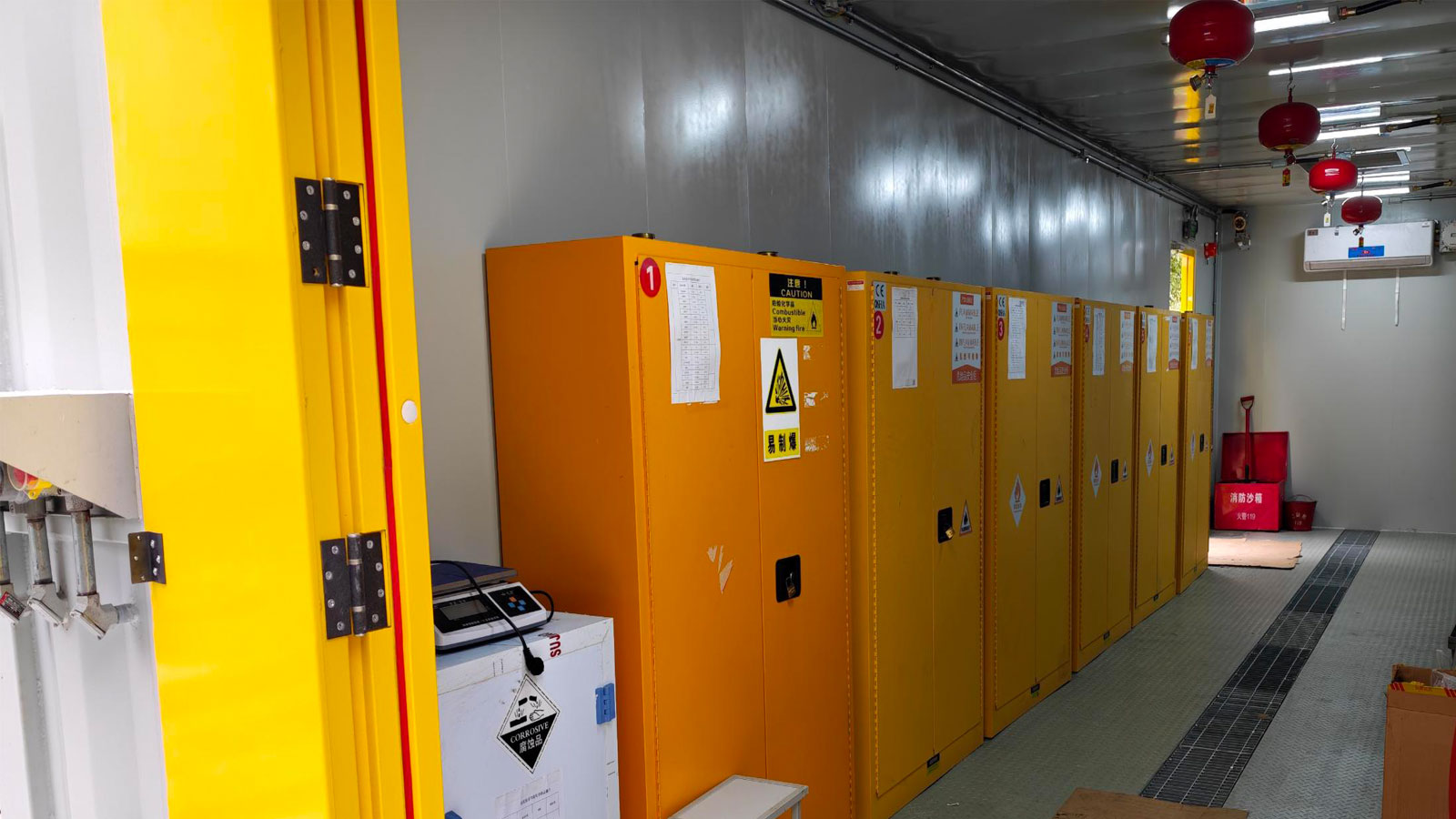
III. Core Safety Issues Specifically Addressed by Temporary Storage Cabinets
1. Resolving Low-Temperature Leakage Hazards: The synergistic effect of insulated interlayers and sealed structures prevents internal storage containers from freezing and cracking or pipeline blockage, reducing "leaks, spills, drips, and seepages," and accurately responding to the requirement of "anti-freezing, anti-condensation, and anti-leakage" in the notice.
2. Standardizing Storage Practices: Standardized capacity and partition designs restrict overstocking and illegal mixed storage from a hardware perspective, eliminating open-air storage, and meeting the management requirements of "strictly controlling temperature and humidity in storage areas and prohibiting open-air storage of varieties susceptible to low temperatures."
3. Preventing Static Electricity-Induced Fire and Explosion Accidents: Through anti-static grounding interfaces and related facilities, static electricity generated during storage and use is effectively dissipated, aligning with the safety requirement of "strengthening static electricity management" in the notice.
4. Improving Ventilation and Gas Accumulation Issues: Built-in or externally connected ventilation devices ensure air circulation. Paired with gas monitoring and alarm systems, combustible and toxic gases can be discharged in time, implementing the regulation of "ensuring ventilation" in the notice.
5. Enhancing Hidden Danger Investigation Efficiency: The centralized storage mode reduces blind spots from decentralized control, facilitating managers to conduct targeted investigations of key parts via the "Qi An An" platform, solving the practical difficulty of "focusing on investigating high-incidence accident links and parts" mentioned in the notice.
6. Reducing Risk Superposition in Operations: As a dedicated independent storage facility, it can form effective isolation from special operation areas like hot work, reducing cross-risk during operations and responding to the requirement of "strengthening operation control" in the notice.
7. Accelerating Emergency Response: Centralized storage limits sudden incidents like leakage within the cabinet, enabling quick leak source localization. Cooperating with pre-set emergency equipment beside the cabinet, response efficiency is improved, aligning with the requirement of "strengthening emergency preparedness" in the notice.
Through targeted structural design and functional integration, the hazardous chemicals temporary storage cabinet precisely addresses core safety pain points in winter hazardous chemical storage. Its application fully aligns with the management requirements of the Beijing Municipal Emergency Management Bureau's winter work safety guidelines, providing reliable safety guarantees for the front-end storage link of enterprises. It is an important facility for implementing primary responsibility for work safety and preventing accidents.
 New
New
- 1 Choosing the Right Hazardous Waste Temporary Storage Cabinet Is Only the First Step; Poor Daily Management Still Fails Environmental Protection Inspections 2026-09-16
- 2 DeSUN ECOTECH Intelligent Battery Storage Cabinets Enter German Market; One-Stop Delivery Reinforces Battery Safety Defense 2026-09-09
- 3 New Specifications for Gas Cylinder Storage: Analysis of Intelligent Explosion-Proof Solutions for Both Indoor and Outdoor Scenarios 2026-09-02
- 4 30 Sets of Customized Non-Standard Hazardous Waste Containers Exported to Kazakhstan: Why DeSUN ECOTECH Earns Trust? 2026-08-27
- 5 DeSUN ECOTECH Flammable Liquid Safety Storage Cabinet Passes SGS 90-Minute Fire Test and Earns Type 90 Certification 2026-08-19
 Hot
Hot
- 1 Intelligent Environmental Protection: What Makes a Good Hazardous Waste Temporary Storage Cabinet? DeSUN ECOTECH Provides the Answer 2026-04-15
- 2 Hazardous Waste and General Solid Waste: Comprehensive Analysis of Identification Standards, Treatment Methods and DeSUN ECOTECH Solutions 2026-04-09
- 3 Hazardous Chemicals and Hazardous Waste Temporary Storage Cabinets: How to Choose the Right "Safety Steward"? A Comprehensive Guide to Differences and Selection 2026-04-22
- 4 Safety Standards for Outdoor Gas Cylinder Cabinets: Multi-dimensional Environmental Protection to Build a Strong Defense Line for Outdoor Storage Safety 2026-02-26
- 5 Shanghai DeSUN ECOTECH CO., Ltd – Selected as a 2025 Shanghai "Specialized, Refined, Differential and Innovative (SRDI)" Small and Medium-sized Enterprise 2025-09-04



- About Us Company Profile Corporate Culture Corporate Awards
- Solutions Hazardous Waste Storage Solutions Hazardous Chemical Storage Solutions Gas Cylinder Storage Solutions Battery Storage, Transfer, and Charging Solutions Intelligent Transfer Solutions
- Products Hazardous Waste Storage Cabinets Hazardous Chemical Storage Cabinets Intelligent Gas Cylinder Storage Cabinets Intelligent Battery Storage Cabinets Intelligent Transfer Containers More Products
-
Customer Cases
By Product
Category - News Corporate News Industry News
- Contact Us Contact Us
 沪公网安备31011402021669号
-
 Online Message


- Online Message